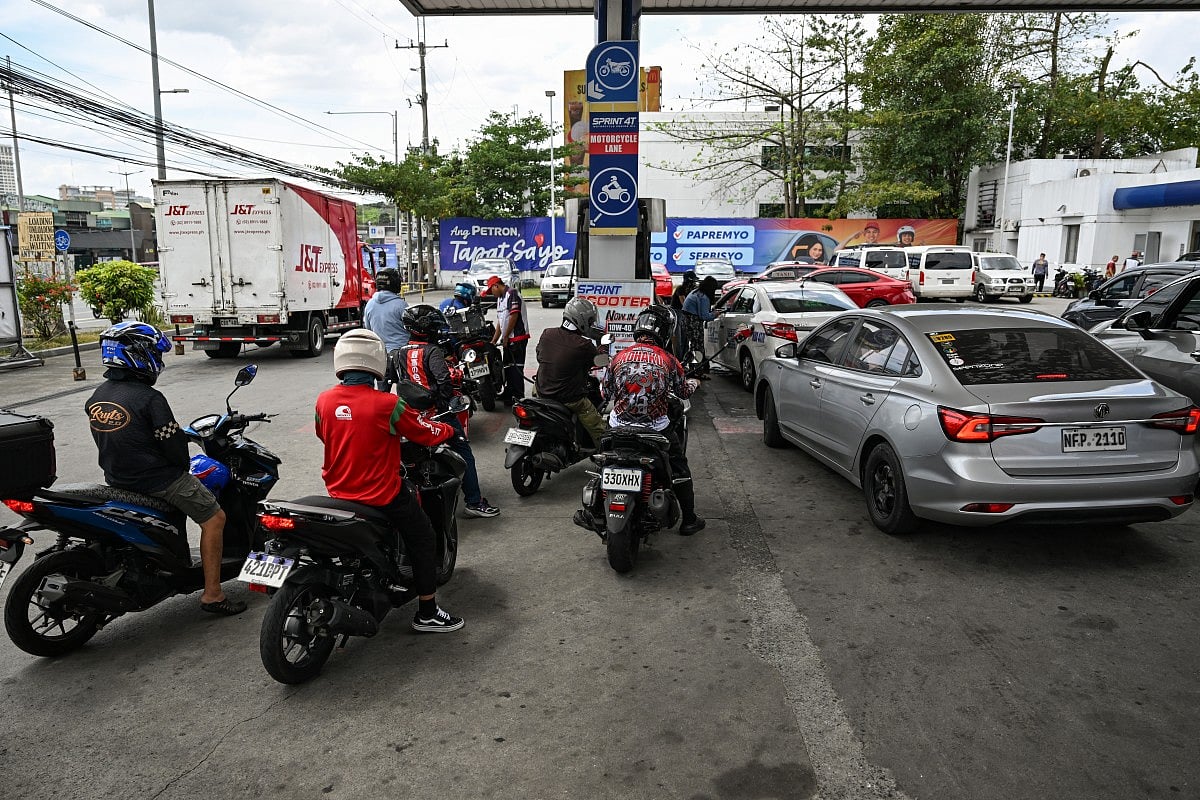
Dubai: The Philippines’ newly secured passage through the Strait of Hormuz may strengthen its energy supply security, but officials have noted that motorists should not expect immediate relief at the pump.
Iran’s decision to allow “safe, unhindered, and expeditious passage” for Philippine-flagged vessels, energy cargo, and Filipino seafarers, comes at a time of heightened geopolitical tensions affecting global oil routes.
While the move has been seen as a “meaningful gain,” authorities have stressed that it is not designed to bring down fuel prices anytime soon.
Get updated faster and for FREE: Download the Gulf News app now - simply click here.
Why prices won’t drop
Fuel prices in the Philippines have been largely driven by global market forces rather than access to a single shipping route.
Even though the country imports fuel from regional hubs such as Singapore or Korea, the crude oil behind these supplies often passes through the Strait of Hormuz, one of the world’s most critical oil chokepoints.
Any disruption there can push global oil prices higher, creating a ripple effect that affects consumers worldwide.
In a statement, Philippine energy secretary Sharon Garin has explained that securing safer passage does not lower those prices but helps prevent further shocks.
“We also want to manage expectations. This development will not immediately bring down fuel prices, nor does it resolve our long-term structural challenges in energy. Those remain priorities that we continue to address,” said Garin.
What the move actually achieves
Rather than reducing costs, the arrangement has focused on minimising risks tied to supply disruptions. According to Garin, this is part of a wider “risk management” approach in response to global uncertainty.
“This means we reduce the risk of disruption to our supply, we strengthen protection for Philippine-linked cargo, and we improve the safety considerations for Filipino seafarers.”
In practical terms, the Philippines is better positioned to maintain steady supply flows even during periods of instability, but without any direct impact on fuel pricing.
Global factors still in play
For now, the main benefit of the country’s “safe and preferential access” to the Strait of Hormuz lies in stability rather than savings.
Garin has stressed that continuity of supply is critical, particularly at a time when even minor disruptions can impact the economy and its people.
“This is not a perfect solution, and it does not eliminate all risks. But it is an important step that improves our position in a highly uncertain global environment,” stated Garin.
Moreover, the energy chief has acknowledged the concerns surrounding the scope of the recent development, noting that it is part of a “healthy and informed public discourse.”
“Our commitment is simple: To continue providing clear, accurate, and timely information, and to act decisively in protecting the interests of the Filipino people.”