Unprecedented Aurora Display Expected Across the United States Due to Strong Geomagnetic Storm
Introduction
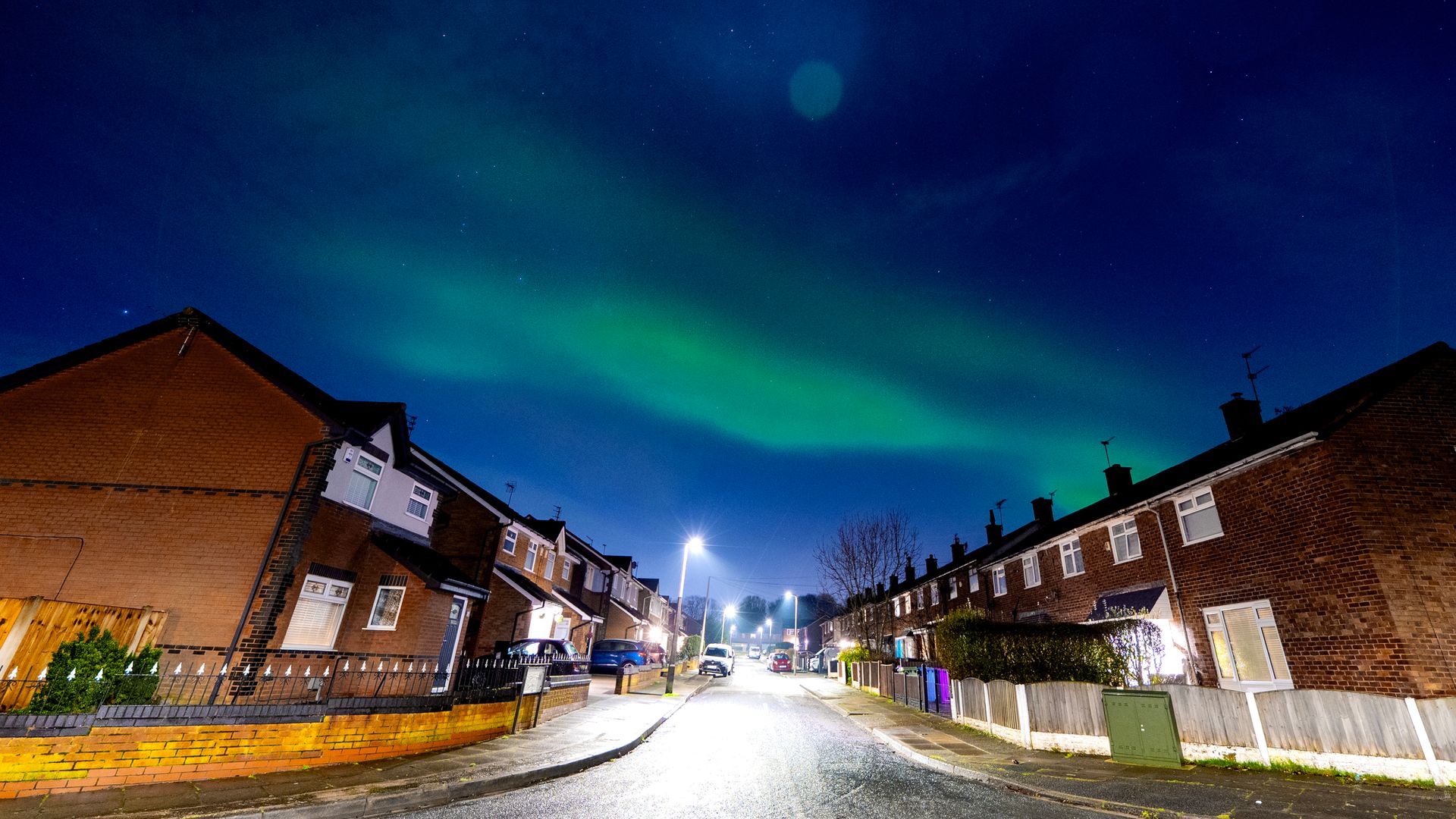
This week, a strong geomagnetic storm is expected to affect the Earth's magnetosphere, potentially allowing breathtaking auroras to be seen in several states across the United States. While northern states like Alaska and Minnesota are traditionally the best spots for viewing these stunning displays, forecasts indicate that this storm may allow auroras to be visible as far south as states like Illinois and even parts of California.
What Causes Auroras?
Auroras, commonly known as the Northern and Southern Lights, are natural light displays in the sky caused by the interaction between the Earth's magnetic field and charged particles emitted by the sun. When solar wind, a stream of charged particles, collides with gases in the Earth's atmosphere, it causes the gases to glow, resulting in vibrant colors in the night sky.
Why the Upcoming Storm is Significant
The National Oceanic and Atmospheric Administration (NOAA) has issued warnings of a strong geomagnetic storm rated at a level 4 on the 5-point scale. This level of geomagnetic activity can lead to stunning auroral displays further south than usual, thanks to a coronal mass ejection (CME) that has been traveling towards Earth. Scientists estimate that the storm will peak between Wednesday and Thursday, providing optimal viewing conditions for those in the affected areas.
Where to Watch
Experts recommend seeking out dark locations away from city lights for the best chance to view the auroras. Ideal spots generally include state parks, rural areas, and elevated locations where the horizon is clear. In addition to the northern tier states, areas in the upper Midwest and parts of the Northeast may see the phenomenon. Weather permitting, skywatchers in states like Wisconsin, Michigan, and even Colorado could have a chance to see the colorful display.
Preparation for Spectators
To maximize your chances of witnessing this celestial event, consider the following tips: check local weather forecasts for clear skies, prepare for cold temperatures, and bring along a camera to capture the moment. Local astronomy clubs are also organizing viewing events and can provide valuable guidance for those looking to experience the auroras firsthand.
Conclusion
As excitement builds for this rare opportunity to see auroras across a broader swath of the U.S., residents are encouraged to remain informed about the geomagnetic storm's progress. With the right conditions, this could be one of the most spectacular displays of natural beauty witnessed in recent years, so don't miss your chance to gaze at the wonders of the universe.