Mangrove forests are healing after decades of human destruction
•Mangrove forests are healing after decades of human destructionJust nowShareSaveAdd as preferred on GoogleMatt McGrath & Esme Stallard, BBC Climate & ScienceGetty ImagesThe world's coastal mangrove fo...
•The total net losses - the forest lost and not replaced - since the 1980s have...
هذا الخبر من BBC Science. خبر يقدم أدوات ذكاء اصطناعي للتلخيص والترجمة والاستماع.
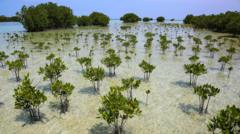
Mangrove forests are healing after decades of human destructionJust nowShareSaveAdd as preferred on GoogleMatt McGrath & Esme Stallard, BBC Climate & ScienceGetty ImagesThe world's coastal mangrove forests, which protect millions of people from storms - and soak up vast amounts of planet-warming gases - are staging an unexpected comeback, scientists find.For decades these swampy trees had been declining rapidly as they were cleared for fish farms and housing.But a new study shows that since 2010 the world has been gaining more mangroves than it has been losing - driven by stronger legal protections and increased public awareness of their importance, sparked by disasters such as the 2004 Indian Ocean tsunami.The researchers say the key factor though is the remarkable capacity of these forests to regenerate naturally once humans stop chopping them down.Chaideer Mahyuddin/AFP/Getty ImagesSome communities have become more aware of the importance of mangroves for coastline protection following extreme weather Mangroves are one of the world's unsung environmental heroes.Not only do they store up to five times more carbon dioxide than land-based forests, but their tangled roots can also slow down waves and protect coastal communities from storm surges and tsunamis.These same roots provide a perfect nursery for many species of fish and other marine life - protecting them from predators and providing ample food.These benefits, though, have come under serious threat over the past century as the rise of fish farming, agriculture and the expansion of coastal cities and towns have seen mangroves chopped down and rapidly removed.From the 1980s to 2010, over 12,000 sq km (4,600 sq miles) of mangroves were cleared or destroyed across Asia, Africa and the Americas - an area the size of Jamaica.However, the new study shows a real reversal of that trend, particularly over the last decade. The total net losses - the forest lost and not replaced - since the 1980s have...المصدر: BBC Science | Source: BBC Science
ملاحظة تحريرية | Editorial Note: نُشر هذا المقال في الأصل بواسطة BBC Science. خبر (Khabr) هي منصة إعلامية أردنية مرخّصة تعمل بالذكاء الاصطناعي. نضيف قيمة تحريرية من خلال: تحليل ذكي للأخبار، ملخصات تلقائية، رواية صوتية بالذكاء الاصطناعي، ترجمة متعددة اللغات، وتدقيق الحقائق. هدفنا جعل الأخبار أكثر وضوحاً وسهولةً للقارئ العربي.
This article was originally published by BBC Science. Khabr is a licensed Jordanian AI-powered news platform (Registration #82086). We add editorial value through: AI-powered news analysis, automated summaries, AI audio narration, multi-language translation (Arabic, English, French, Turkish), and AI fact-checking. Our mission is to make news more accessible and understandable for Arabic-speaking audiences worldwide.