The great reverse migration: Why India's professionals are leaving Metro cities
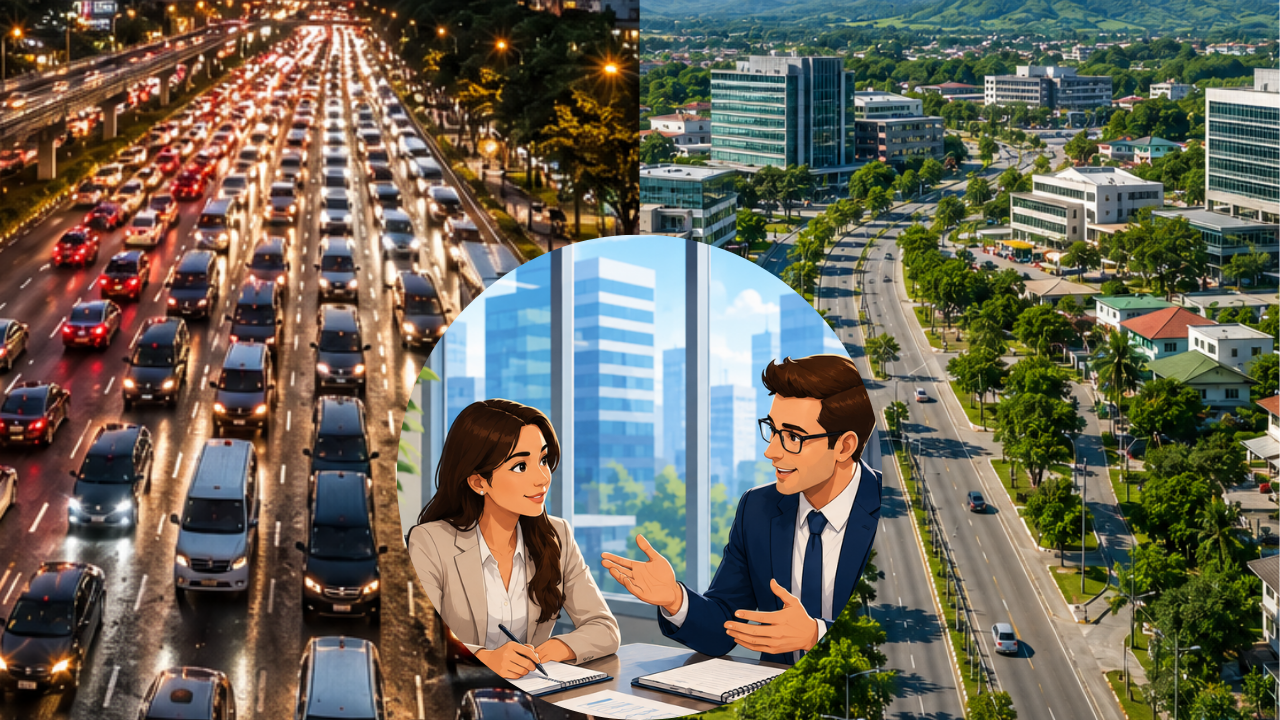
I was conditioned to believe that opportunity was tied to a pin code. You might not have that very urban-high bang night life, but the peace of clear star night gaze hits different. The widespread adoption of remote and hybrid work models, coupled with the rise of entrepreneurship, has created new opportunities beyond traditional employment hubs. A broader shift in India’s employment landscape is manifesting as professional migration from metropolitan areas to smaller cities. In our line of work, a large share of companies operate their units and factories in Tier-II and Tier-III cities. They rely on professionals based locally to deliver services they simply can't afford to outsource to metro cities because of the higher costs. Success should not be dependent on a change of pin code. The air is cleaner, there's less chaos, and overall it feels like a healthier environment to live in. Over time, I've come to appreciate that more than the conveniences I miss. Anyone can shift to a small city as the cost of living comes down. Your health takes priority, food is still better. But of course we don’t get restaurants like in Hyderabad or Bengaluru. Trisha Mahajan is a journalist with The Times of India digital, with keen interest in covering business and corporate affairs. She also reports on key national and world developments and global news trends. A keen reader with a strong interest in storytelling that adds context, clarity, and depth to complex issues.Read More We use cookies and other tracking technologies to provide services while browsing the Website to show personalise content and targeted ads, analyse site traffic and understand where our audience is coming from in order to improve your browsing experience on our Website. By continuing to use our Website, you consent to the use of these cookies and accept our Privacy terms. If you wish to see more information about how we process your personal data, please read our Cookie Policy and Privacy Policy We use cookies and other tracking technologies to provide services in line with the preferences you reveal while browsing the Website to show personalize content and targeted ads, analyze site traffic..., and understand where our audience is coming from in order to improve your browsing experience on our Website. By continuing to browse this Website, you consent to the use of these cookies. If you wish to object such processing, please read the instructions described in our'; Q+=' Cookie Policy ';Q+=" /";Q+=' Privacy Policy';Q+='Read more';Q+=" Our Privacy Policy has been revised. Please review updated ';P+='Privacy Policy Here';P+='المصدر: Times of India | Source: Times of India
ملاحظة تحريرية | Editorial Note: نُشر هذا المقال في الأصل بواسطة Times of India. خبر (Khabr) هي منصة إعلامية أردنية مرخّصة تعمل بالذكاء الاصطناعي. نضيف قيمة تحريرية من خلال: تحليل ذكي للأخبار، ملخصات تلقائية، رواية صوتية بالذكاء الاصطناعي، ترجمة متعددة اللغات، وتدقيق الحقائق. هدفنا جعل الأخبار أكثر وضوحاً وسهولةً للقارئ العربي.
This article was originally published by Times of India. Khabr is a licensed Jordanian AI-powered news platform (Registration #82086). We add editorial value through: AI-powered news analysis, automated summaries, AI audio narration, multi-language translation (Arabic, English, French, Turkish), and AI fact-checking. Our mission is to make news more accessible and understandable for Arabic-speaking audiences worldwide.