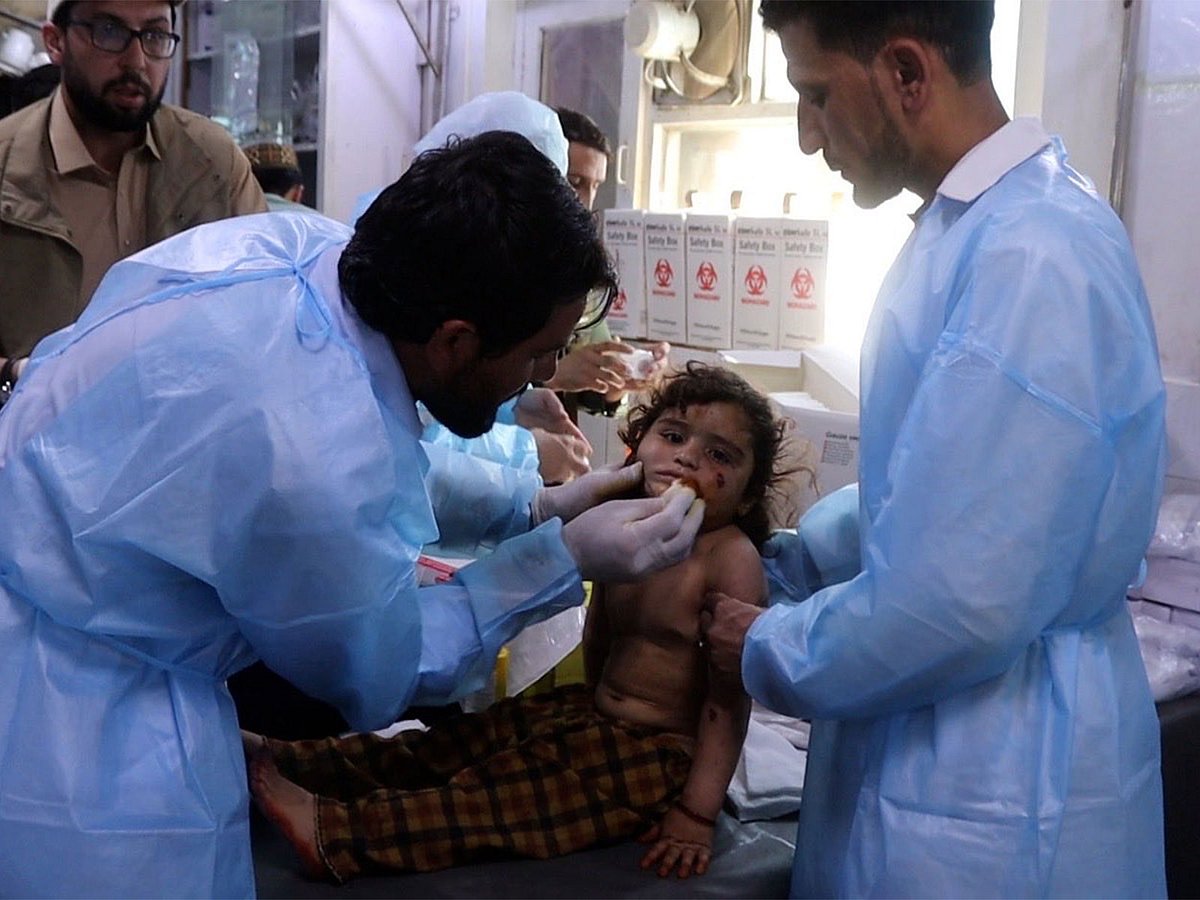
Kabul, Afghanistan: The Taliban accused Pakistan of launching cross-border mortar and rocket attacks in eastern Afghanistan's Kunar province on Monday, claiming that at least four people were killed and dozens injured, as tensions escalated between the two neighbours amid fragile peace talks.
According to Taliban authorities, the attacks targeted civilian areas in Asadabad, the capital of Kunar province. Taliban Deputy Spokesperson Hamdullah Fitrat said around 45 people were wounded, including students, women and children, after homes and the Sayed Jamaluddin Afghani University came under fire, reported Al Jazeera.
"We strongly condemn these attacks by the Pakistani military regime, in which ordinary people, academic, and educational institutions were targeted, and declare them unforgivable war crimes," Fitrat said in a statement.
Pakistan, however, rejected the allegations, with its Information Ministry calling the claims a "blatant lie." In a post on X, the ministry said that any action taken by Pakistan would be "well declared" and based on evidence targeting militant infrastructure.
Meanwhile, Pakistani officials reported that at least three civilians were injured in South Waziristan due to gunfire, describing the incident as one of the most serious clashes since a ceasefire was agreed in March.
The fresh violence threatens to derail fragile peace efforts between the two countries. The ceasefire, brokered during the Muslim festival of Eid al-Fitr, had halted weeks of intense fighting that followed a sharp escalation in February along the Durand Line, the 2,640-km border separating the two nations.
Latest escalation
The latest escalation is reportedly linked to an incident near the Afghan border city of Spin Boldak, where a child was allegedly shot by Pakistani forces, triggering retaliatory exchanges between Taliban fighters and Pakistani troops, according to Afghan media reports.
Relations between Pakistan and Afghanistan have remained strained since the Taliban returned to power in 2021. Islamabad has repeatedly accused Kabul of harbouring the Tehreek-e-Taliban Pakistan (TTP), which it says is responsible for attacks inside Pakistan. The Taliban government has denied these claims, stating that militancy within Pakistan is an internal issue.
China has been mediating between the two sides, with additional efforts from countries including Turkey, Qatar, Saudi Arabia and the United Arab Emirates to stabilise the situation. However, recurring clashes and mutual accusations continue to hinder progress toward a lasting resolution.