Scientists reveal secrets of ancient scrolls burned by Mount Vesuvius nearly 2,000 years ago
•ItalyScientists reveal secrets of ancient scrolls burned by Mount Vesuvius nearly 2,000 years agoResearchers have recovered texts previously lost to history, revealing philosophical takes on ethics, t...
•79 that also destroyed nearby Pompeii.
•Uncovering the contents of the fragile carbonized papyrus is a puzzle that has fixated researchers since their rediscovery three centuries ago, but only in recent years has AI-enabled “digital unwrapp...
هذا الخبر من NBC News. خبر يقدم أدوات ذكاء اصطناعي للتلخيص والترجمة والاستماع.
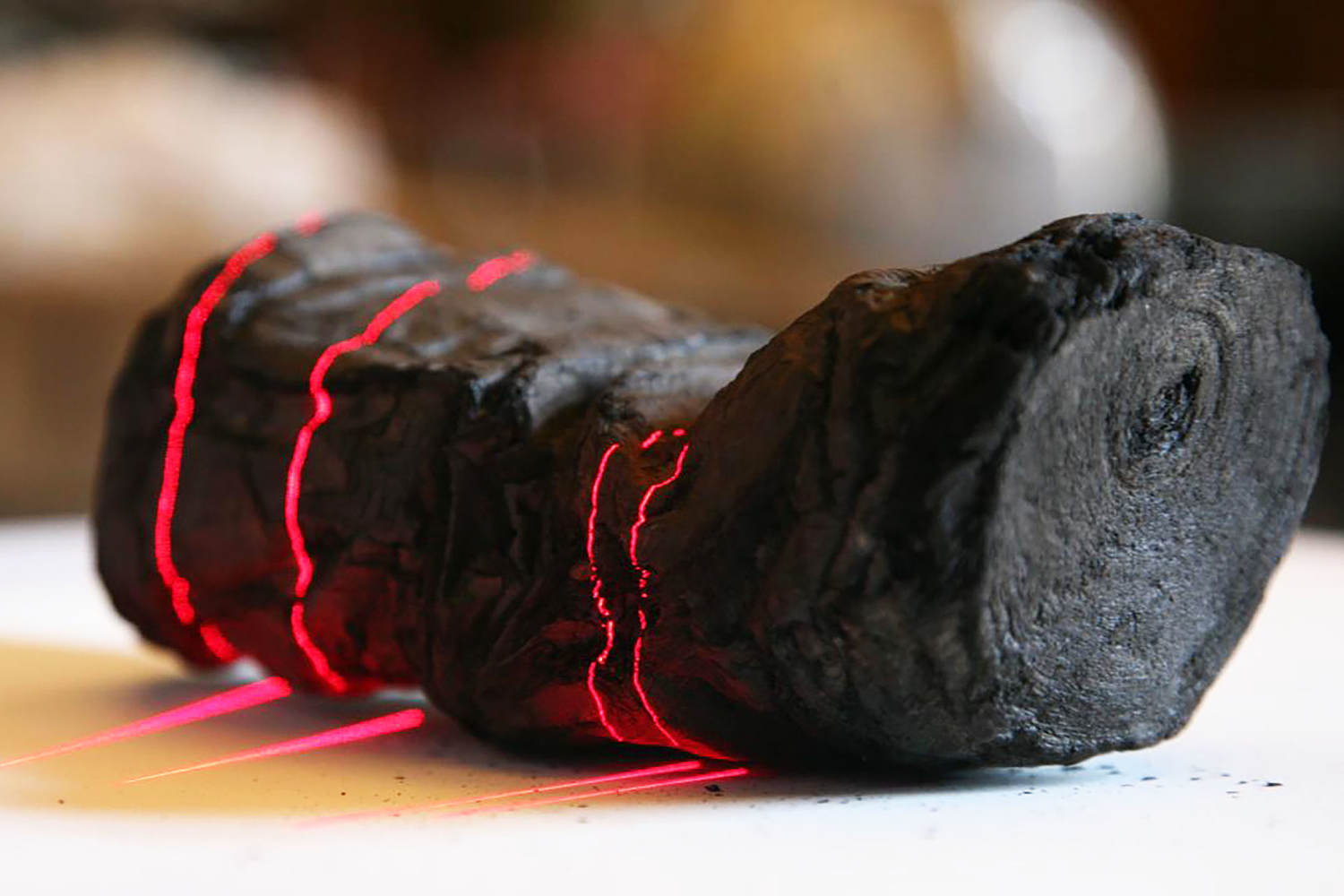
ItalyScientists reveal secrets of ancient scrolls burned by Mount Vesuvius nearly 2,000 years agoResearchers have recovered texts previously lost to history, revealing philosophical takes on ethics, the arts, human behavior and theology.Listen to this article with a free profile00:0000:00A Herculaneum scroll with red laser lines being scanned at the Institut de France by Brent Seales and his team.EduceLabShareAdd NBC News to GoogleJune 26, 2026, 5:00 AM EDTBy Claudio LavangaNAPLES, Italy — Scientists have revealed insights from ancient scrolls buried by the eruption of Mount Vesuvius nearly 2,000 years ago, after an AI breakthrough helped uncover some of their secrets.Limited time: Save 25% on NBC News subscriptionGet exclusive reporting, live Q&As and ad-free reading.The trove of hundreds of scrolls was buried in Herculaneum by the famous eruption in A.D. 79 that also destroyed nearby Pompeii. Uncovering the contents of the fragile carbonized papyrus is a puzzle that has fixated researchers since their rediscovery three centuries ago, but only in recent years has AI-enabled “digital unwrapping” become possible.Researchers from the University of Kentucky and Naples on Thursday revealed recovered texts from authors previously lost to history, including philosophical takes on ethics, the arts, human behavior and theology.Pompeii with Mount Vesuvius in the backgroundSimon Skafar / Getty Images fileIn one text, an unknown author appears to warn against excessive impulse. Another key concept, researchers say, is phronesis, ancient Greek for “practical wisdom.” In another passage, the ancient author writes: “We will inquire into something, but we will not grasp it, if in some way we depart from ourselves and from our own nature.” “It’s been a long time since the classical period, and we feel a distance from that culture. And then you read the words, and then the distance shrinks immediately,” Brent Seals, a computer science professor at the University of Kentucky and...المصدر: NBC News | Source: NBC News
ملاحظة تحريرية | Editorial Note: نُشر هذا المقال في الأصل بواسطة NBC News. خبر (Khabr) هي منصة إعلامية أردنية مرخّصة تعمل بالذكاء الاصطناعي. نضيف قيمة تحريرية من خلال: تحليل ذكي للأخبار، ملخصات تلقائية، رواية صوتية بالذكاء الاصطناعي، ترجمة متعددة اللغات، وتدقيق الحقائق. هدفنا جعل الأخبار أكثر وضوحاً وسهولةً للقارئ العربي.
This article was originally published by NBC News. Khabr is a licensed Jordanian AI-powered news platform (Registration #82086). We add editorial value through: AI-powered news analysis, automated summaries, AI audio narration, multi-language translation (Arabic, English, French, Turkish), and AI fact-checking. Our mission is to make news more accessible and understandable for Arabic-speaking audiences worldwide.