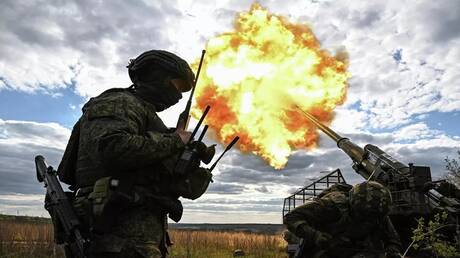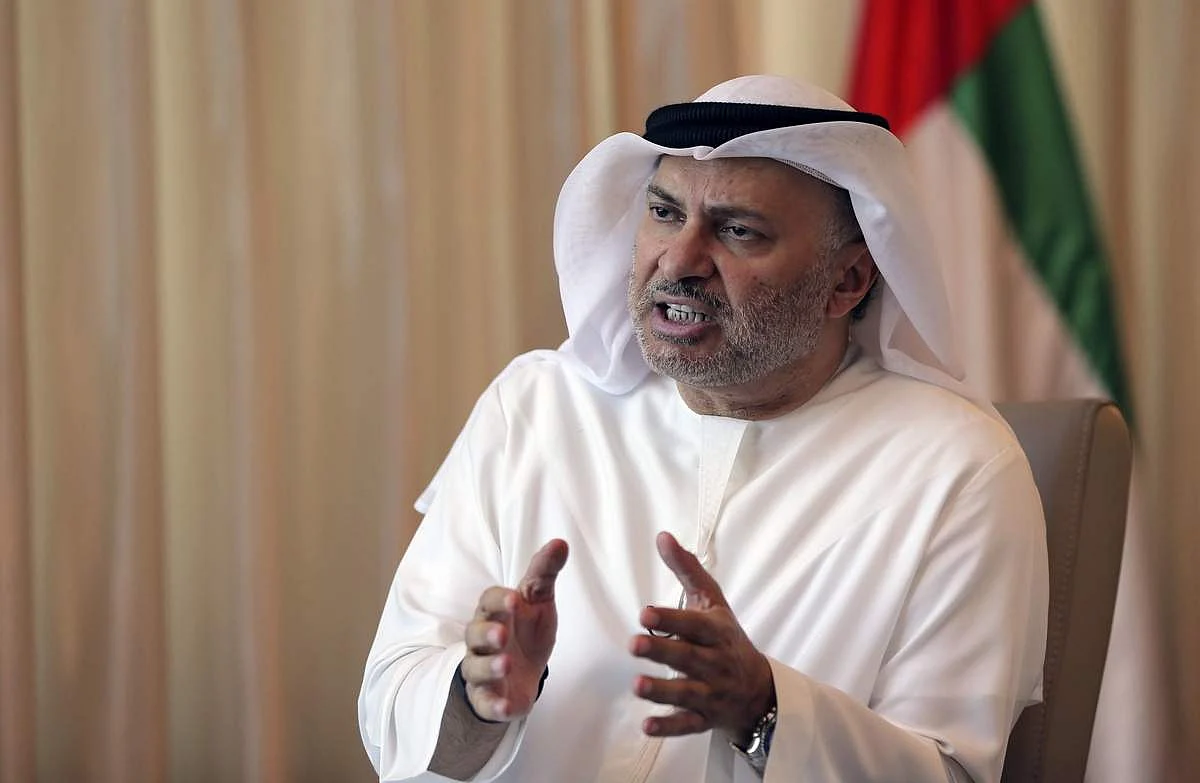
At a media session by Dubai Press Club, Anwar Gargash, diplomatic adviser to the UAE President, elaborated on the country’s handling of the Iranian attacks.
He set out how the UAE now sees Iran, what the war revealed about regional and international alliances, and what conditions it believes must be addressed before any lasting calm can take hold.
1. UAE main target of the attacks
Gargash said the UAE was the country most exposed to the Iranian attacks, even compared with Israel, and argued that the scale of the targeting could not be explained by any rational calculation.
Stay up to date with the latest news. Follow KT on WhatsApp Channels.
He said the UAE was hit by more than 2,800 Iranian missiles and drones and intercepted 96 per cent of them, presenting this as evidence that Iran had badly misjudged the country’s defensive readiness.
2. Nation emerged stronger after 40 days
Gargash said the confrontation left the UAE more resilient, more confident, and more certain of its ability to defend itself. He said life continued normally during the 40-day crisis, with supply chains remaining strong, financial liquidity stable, and services continuing at all levels, which he described as proof that “the Emirati model” had prevailed.
. 3Iran still seen as the main strategic threat
One of the clearest expanded points was that Tehran now represents the principal strategic threat to both the UAE and the Gulf.
He said this was not a call for attacking Iran, but rather a frank identification of the main source of danger while keeping diplomatic channels open.
4. UAE rejects 'cheap peace'
Gargash said the UAE does not want to return to war, but also does not want what he called a “cheap peace”.
He linked any serious settlement to several core issues: restoring normal freedom of movement through the Strait of Hormuz, ensuring Iran does not acquire a nuclear weapon, and placing restrictions on Iranian missiles and drones because they remain a future threat to the region and the wider world.
5. Diplomacy open, but trust damaged
He said Iran is now trying to rebuild bridges with regional states, but reminded that Iran itself had targeted those bridges through its attacks on the UAE and Gulf countries.
The UAE, he said, is not closing the door to diplomacy, but will judge Iran by actions rather than words.
6. Iran lost and the UAE won
Gargash framed the conflict not only as a military confrontation but as a “war of narratives” aimed at mobilising audiences. In that context, he said that Iran lost and the UAE won.
7. Questions on political silence
Gargash said the UAE felt let down during the crisis by some Arab and friendly parties. He also raised questions about the role of the Arab League and argued that the GCC’s stance had been weak politically and on the security front during the crisis.
He also pointed out to the Muslim Brotherhood’s silence during the attacks on Gulf states, saying this happened because it sees Iran as an ally.
8. War clarified alliances and the UAE model
Gargash said the most serious offers of help for the UAE’s defence effort came from Western countries. He also argued that the American role in Gulf security would grow after the war because Gulf defence systems and armaments are largely American and had proved effective during the attacks.
At the same time, he spoke about the UAE’s military preparedness, its layered defence capabilities, and its broader future-oriented state model built on resilience, moderation, science, artificial intelligence, and economic diversification.
In that wider political framing, he also said the UAE supported Palestine and Gaza through real humanitarian action, not slogans, and reaffirmed support for an independent Palestinian state.