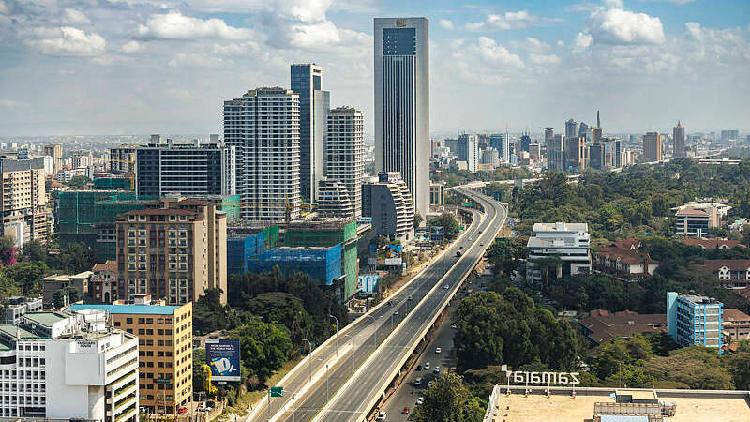
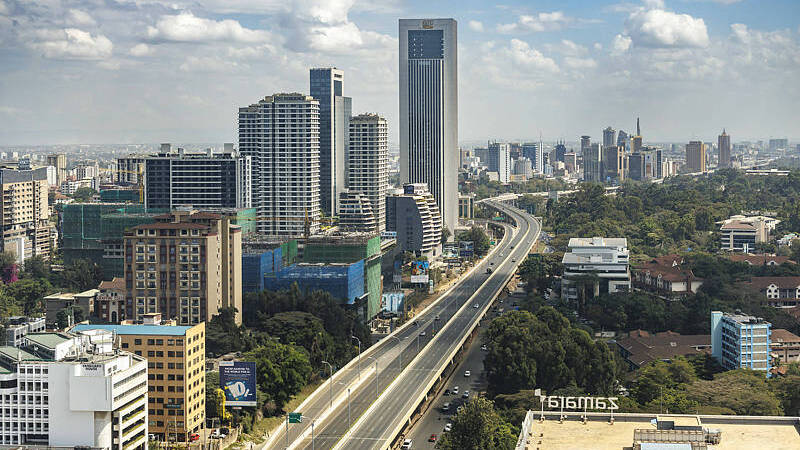
Nairobi to surpass Cairo and Lagos in metro population by 2050
هذا الخبر من CGTN EN. خبر يقدم أدوات ذكاء اصطناعي للتلخيص والترجمة والاستماع.
المصدر: CGTN EN | Source: CGTN ENKenya's capital, Nairobi, could overtake Cairo and Lagos to become Africa's largest metropolitan region by 2050, according to projections from the Africapolis platform developed by the Organization for Economic Co-operation and Development (OECD), highlighting the rapid pace of urbanization reshaping the continent.
Using Africapolis' methodology, which measures contiguous built-up metropolitan areas rather than administrative city boundaries, the Nairobi metropolitan region is projected to reach 57.2 million people by 2050, up from an estimated 15.95 million today. Cairo is projected to have 55.5 million residents, while Lagos is expected to reach 36.9 million.
The projections reflect Africa's broader demographic transformation, with the continent expected to account for a significant share of global population growth over the coming decades. As cities expand, they are becoming engines of economic activity, innovation and infrastructure development while also facing mounting pressure on housing, transport, healthcare and other public services.
A magnet for people and investment
Nairobi's rapid growth has been driven by natural population increase, rural-to-urban migration and expanding economic opportunities that continue to attract people from across Kenya and the wider East African region.
The city also hosts a sizeable refugee population, alongside a large expatriate community working in business, diplomacy, technology and international organizations.
As Kenya's commercial and financial capital, Nairobi contributes a significant share of the country's GDP. It is home to major banks, multinational companies, technology firms, manufacturers and a vibrant startup ecosystem that has earned it the nickname "Silicon Savannah."
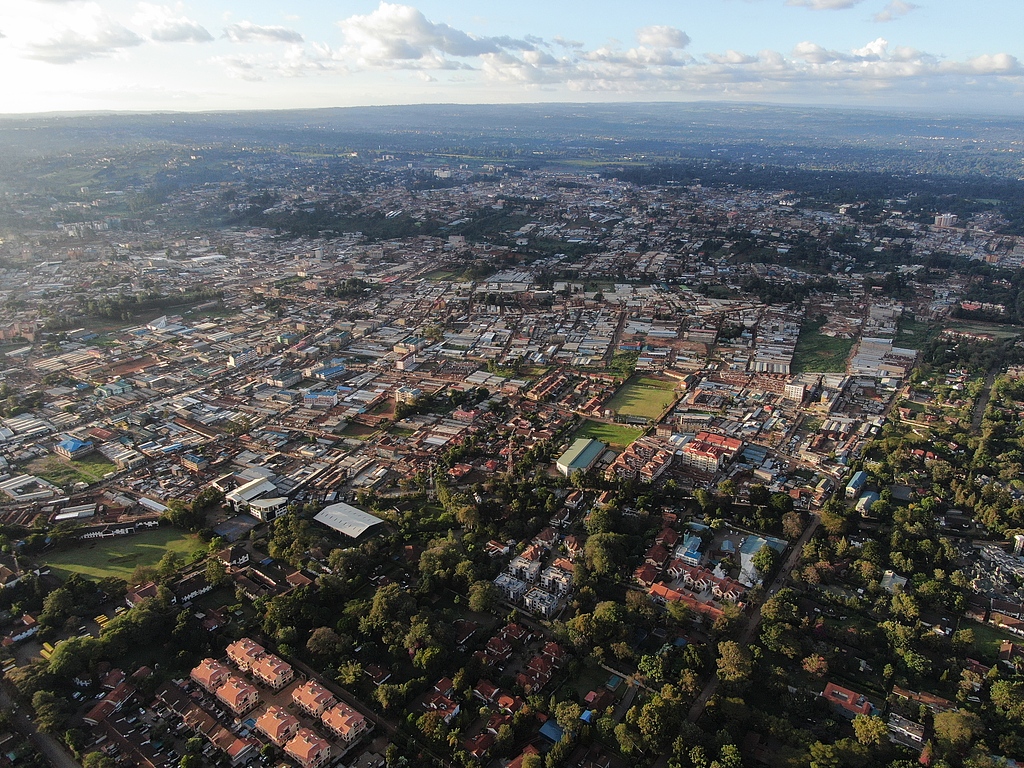
The continued growth of surrounding areas, including Kiambu, Machakos and Kajiado counties, has transformed Nairobi into a sprawling metropolitan region, with hundreds of thousands of commuters travelling into the city each day.
Planning for a city of the future
County authorities are introducing new planning policies aimed at ensuring Nairobi's expansion remains sustainable and well managed.
Governor Johnson Sakaja says the city's rapidly growing real estate sector requires a stable regulatory framework to unlock investment while supporting orderly urban development.
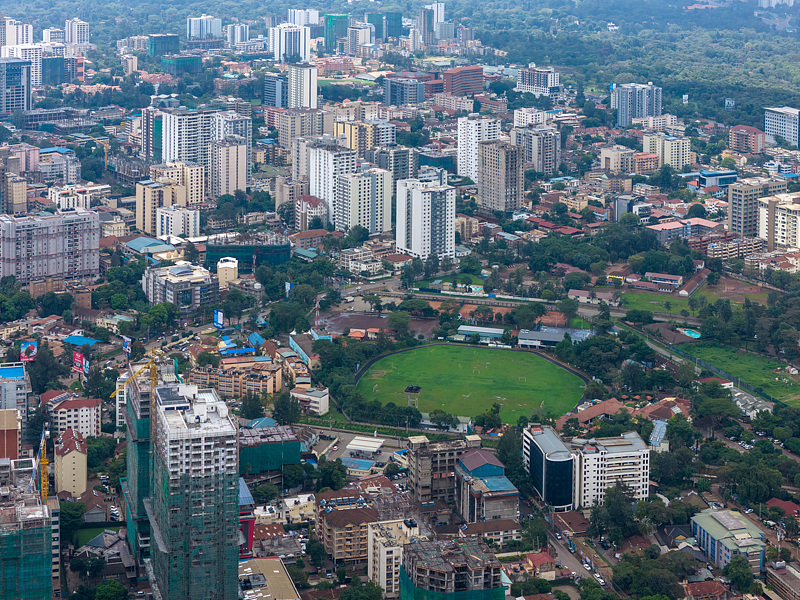
The Nairobi City County Development Control Policy seeks to curb unplanned construction and provide clear guidance for future land use and physical development. The framework is based on the Nairobi Integrated Urban Development Master Plan (NIUPLAN) and aligns new developments with existing and planned infrastructure capacity.
County officials are also expanding affordable housing projects to help meet rising demand as the population grows.
Urban planners say the reforms are timely, as Nairobi continues to grapple with unauthorized developments, building safety concerns and mounting pressure on infrastructure.
Without sustained investment, the city could face worsening traffic congestion, overcrowded schools and hospitals, rising demand for water and electricity, inadequate sanitation and growing volumes of solid waste.
Experts also warn that climate change could intensify these challenges through more frequent extreme weather, flooding and pressure on drainage systems.
Africa's urban future
The Africapolis projections underscore the rapid evolution of Africa's urban landscape, with metropolitan regions increasingly serving as interconnected economic hubs.
If these projections materialize, Nairobi's rise would reflect not only Kenya's growing economic influence but also East Africa's expanding role in trade, technology and innovation. Urban planners, however, stress that long-term success will depend on sustained investment in housing, transport, public services and climate resilience.
ملاحظة تحريرية | Editorial Note: نُشر هذا المقال في الأصل بواسطة CGTN EN. خبر (Khabr) هي منصة إعلامية أردنية مرخّصة تعمل بالذكاء الاصطناعي. نضيف قيمة تحريرية من خلال: تحليل ذكي للأخبار، ملخصات تلقائية، رواية صوتية بالذكاء الاصطناعي، ترجمة متعددة اللغات، وتدقيق الحقائق. هدفنا جعل الأخبار أكثر وضوحاً وسهولةً للقارئ العربي.
This article was originally published by CGTN EN. Khabr is a licensed Jordanian AI-powered news platform (Registration #82086). We add editorial value through: AI-powered news analysis, automated summaries, AI audio narration, multi-language translation (Arabic, English, French, Turkish), and AI fact-checking. Our mission is to make news more accessible and understandable for Arabic-speaking audiences worldwide.