Manila protests ‘racist’ portrayal of Filipinos in China Daily videos
•play Live Sign upShow navigation menuNavigation menuNewsShow more news sectionsAfricaAsiaUS & CanadaLatin AmericaEuropeAsia PacificWorld CupMiddle EastExplainedOpinionVideoMoreShow more sectionsFeatur...
•xwhatsapp-strokecopylinkgoogleAdd Al Jazeera on GoogleinfoThe fight over racism in the Chinese media has its roots in the long-running debate over sovereignty in the South China Sea [File: Jes Aznar/G...
•The videos, which depicted Filipinos as monkeys, went “beyond political debate” and resorted to “demeaning, dehumanizing, and racist depictions of Filipinos,” the Department of Foreign Affairs said in...
هذا الخبر من Al Jazeera English. خبر يقدم أدوات ذكاء اصطناعي للتلخيص والترجمة والاستماع.
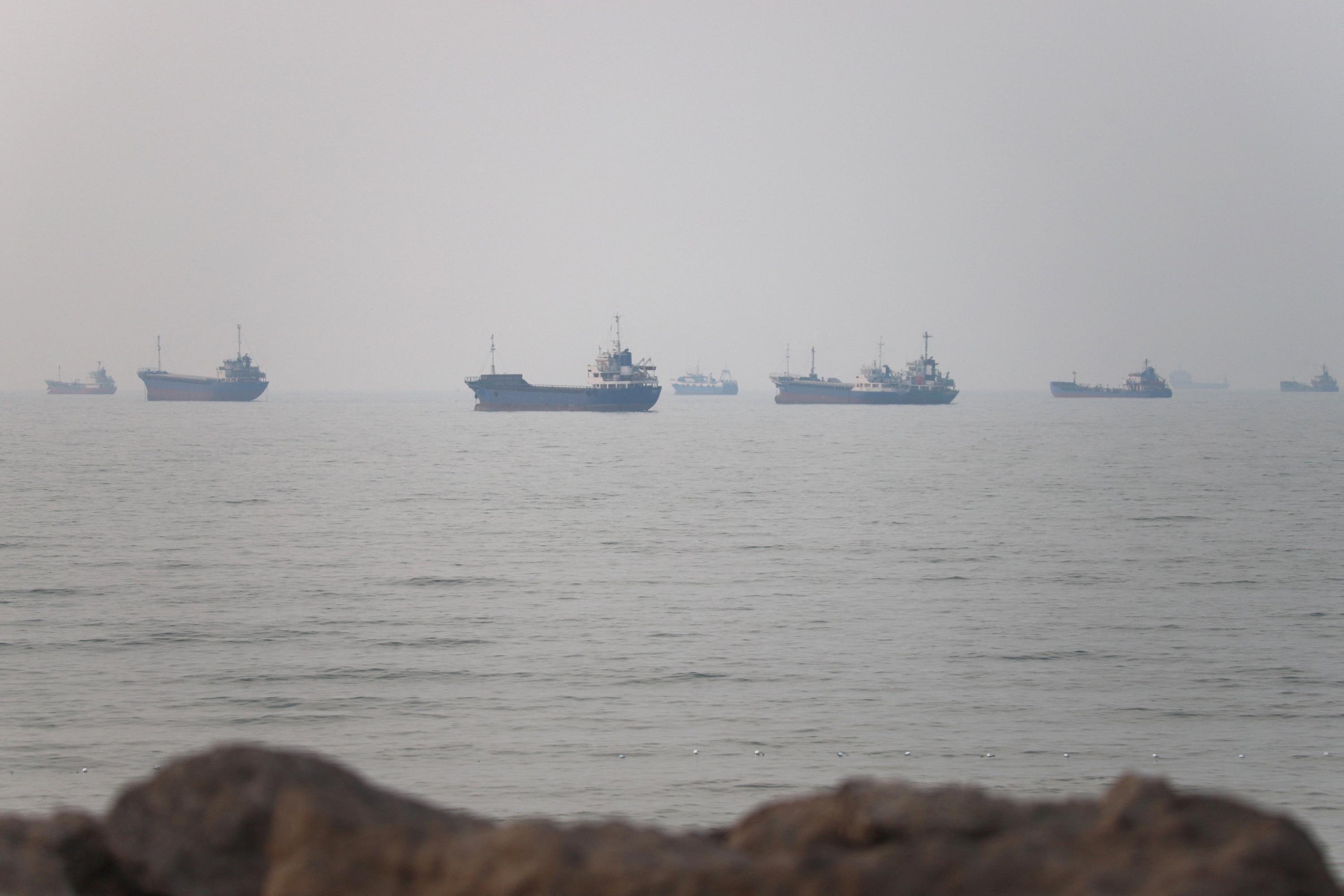
play Live Sign upShow navigation menuNavigation menuNewsShow more news sectionsAfricaAsiaUS & CanadaLatin AmericaEuropeAsia PacificWorld CupMiddle EastExplainedOpinionVideoMoreShow more sectionsFeaturesEconomySportHuman RightsClimate CrisisInvestigationsInteractivesIn PicturesScience & TechnologyPodcastsTravelSponsored Contentplay Live Click here to searchsearchSign upNavigation menucaret-leftTrendingUS-Israel war on IranWorld Cup 2026Tracking Israel's ceasefire violationsDonald Trumpcaret-rightNews|South China SeaManila protests ‘racist’ portrayal of Filipinos in China Daily videosThe diplomatic spat is rooted in the ongoing dispute between China and the Philippines over sovereignty in the South China Sea. xwhatsapp-strokecopylinkgoogleAdd Al Jazeera on GoogleinfoThe fight over racism in the Chinese media has its roots in the long-running debate over sovereignty in the South China Sea [File: Jes Aznar/Getty Images]By Al Jazeera StaffPublished On 18 Jul 202618 Jul 2026The Philippines has lodged a diplomatic protest with China over what it called the “racist depiction” of Filipinos in a series of videos published by state-backed newspaper China Daily. The videos, which depicted Filipinos as monkeys, went “beyond political debate” and resorted to “demeaning, dehumanizing, and racist depictions of Filipinos,” the Department of Foreign Affairs said in a statement on Friday. Foreign Affairs Undersecretary Maria Theresa Lazaro raised the issue directly with China’s ambassador to the country, while the department also lodged a formal diplomatic protest condemning the videos. Its embassy in Beijing separately published an open letter addressed to the editor of China Daily, flagging the outlet for “breach of editorial norms and principles”, and urging the publication to “uphold dignity, respect, and truth” in public discourse. China Daily describes itself as China’s most-read English-language newspaper. It claims a combined audience of more than 470 million people. It has more than 110 million followers on Facebook, where the videos were shared. The videos were published as part of a series marking the 10th anniversary of the 2016 South China Sea arbitral award, in which an international tribunal ruled overwhelmingly in favour of the Philippines and found that China’s sweeping claims in the South China Sea had no legal basis under international law. Beijing has rejected the ruling and continues to assert sovereignty over most of the South China Sea, where tensions have remained high. The dispute centres on features including the Spratly Islands and Scarborough Shoal, both of which are claimed by China and the Philippines. The South China Sea is estimated to have 11 billion barrels of untapped oil and 190 trillion cubic feet of natural gas. The dispute has led to repeated confrontations between Chinese coastguard vessels and Philippine ships, including collisions and the use of water cannon that Manila says have endangered its personnel and fishermen. The Philippines has received diplomatic backing from the United States and other allies including Germany, Japan and the United Kingdom, which have repeatedly called for respect for the 2016 arbitral ruling. In a joint statement released this month, the countries reaffirmed their support for what they described as the tribunal’s “legally binding” and “definitive” findings and warned against “unilateral actions including by force or coercion that threaten peace and stability in the region”. China’s Ministry of Foreign Affairs and China Daily had not publicly responded to the Philippine protest at the time of publication. Advertisement AboutAboutShow moreAbout UsCode of EthicsTerms and ConditionsEU/EEA Regulatory NoticePrivacy PolicyCookie PolicyCookie PreferencesAccessibility StatementSitemapWork for usConnectConnectShow moreContact UsUser Accounts HelpAdvertise with usStay ConnectedNewslettersChannel FinderTV SchedulePodcastsSubmit a TipPaid Partner ContentOur ChannelsOur ChannelsShow moreAl Jazeera ArabicAl Jazeera EnglishAl Jazeera Investigative UnitAl Jazeera MubasherAl Jazeera DocumentaryAl Jazeera BalkansAJ+Our NetworkOur NetworkShow moreAl Jazeera Centre for StudiesAl Jazeera Media InstituteLearn ArabicAl Jazeera Centre for Public Liberties & Human RightsAl Jazeera ForumAl Jazeera Hotel PartnersFollow Al Jazeera English:المصدر: Al Jazeera English | Source: Al Jazeera English
ملاحظة تحريرية | Editorial Note: نُشر هذا المقال في الأصل بواسطة Al Jazeera English. خبر (Khabr) هي منصة إعلامية أردنية مرخّصة تعمل بالذكاء الاصطناعي. نضيف قيمة تحريرية من خلال: تحليل ذكي للأخبار، ملخصات تلقائية، رواية صوتية بالذكاء الاصطناعي، ترجمة متعددة اللغات، وتدقيق الحقائق. هدفنا جعل الأخبار أكثر وضوحاً وسهولةً للقارئ العربي.
This article was originally published by Al Jazeera English. Khabr is a licensed Jordanian AI-powered news platform (Registration #82086). We add editorial value through: AI-powered news analysis, automated summaries, AI audio narration, multi-language translation (Arabic, English, French, Turkish), and AI fact-checking. Our mission is to make news more accessible and understandable for Arabic-speaking audiences worldwide.