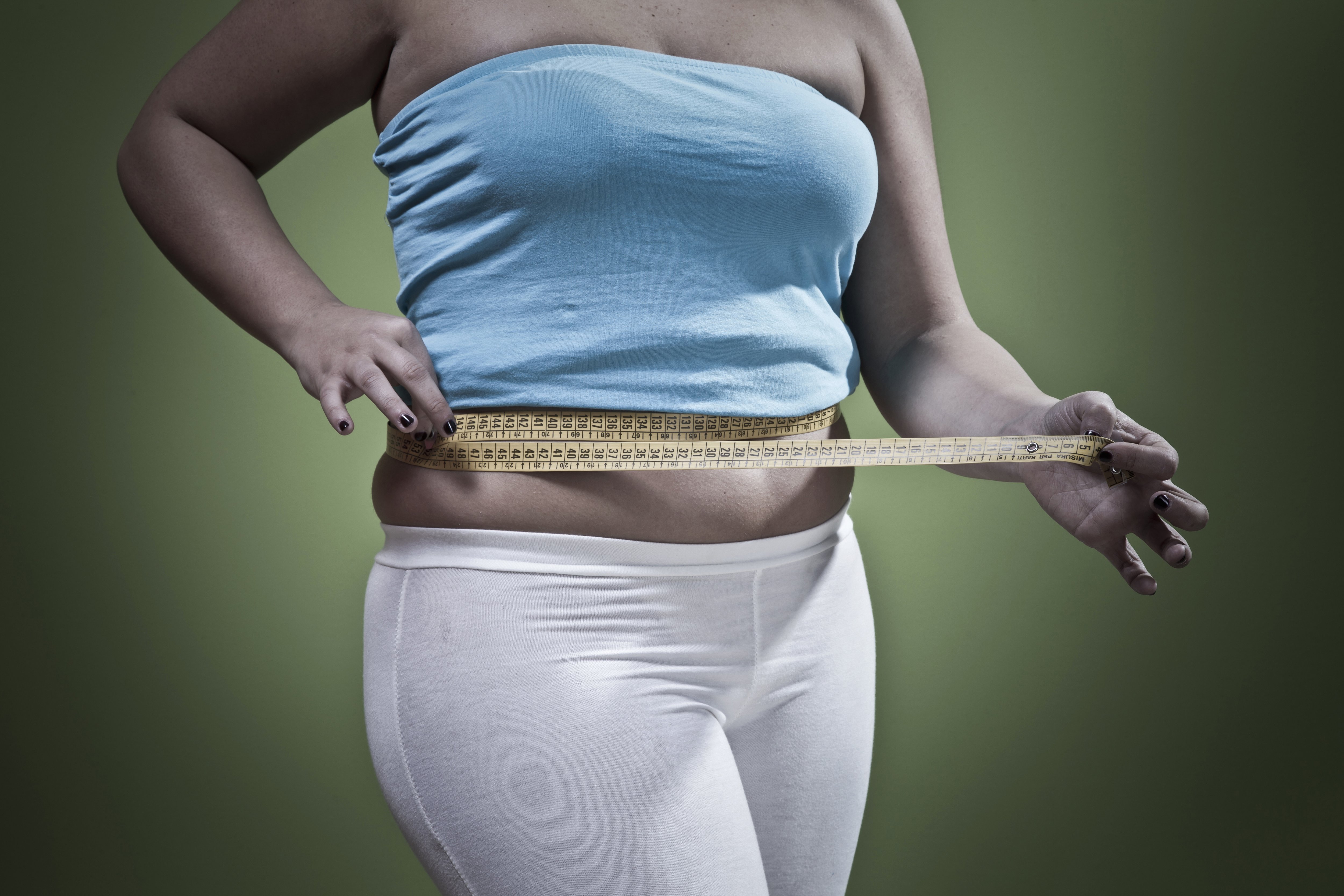
Walking stands as one of the most thoroughly researched approaches for tackling visceral fat, according to medical experts examining the latest clinical evidence.
Dr Blen Tesfu, a physician and Medical Advisor at Welzo who specialises in preventive health and lifestyle medicine, confirms substantial scientific literature backs walking as a safe intervention for reducing abdominal fat, particularly among those with sedentary lifestyles.
The gradual decrease in belly fat achieved through consistent moderate-intensity walking also delivers improvements to metabolic function, Dr Tesfu notes.
A 2023 meta-analysis published in Obesity Reviews demonstrated low-to-moderate aerobic exercise reduced visceral fat by approximately 3.4 per cent over a 12-week period in sedentary adults.

The evidence, while genuine, is frequently overstated in popular fitness discourse.
When comparing exercise modalities, the picture becomes nuanced. Cycling produces similar reductions in visceral fat when caloric expenditure is matched, while resistance training proves more effective for overall fat mass reduction but not specifically for abdominal fat.
The crucial distinction lies in what Dr Tesfu describes as the cumulative effect. Individual walking sessions may deliver less immediate impact than cycling or weight training, yet the long-term results can prove greater.
Adherence represents the metric most research overlooks. High-intensity interval training programmes see dropout rates between 25 and 40 per cent across 12-week trials. Walking programmes, by contrast, retain participants far more effectively, with dropout rates below 15 per cent.
As Dr Tesfu puts it: "Fat loss that actually happens beats fat loss that was only planned."
Walking can contribute to belly fat reduction independently by establishing a calorie deficit and enhancing insulin sensitivity over time.
For beginners or those returning to exercise after a hiatus, this approach proves particularly valuable.
However, the mathematics remain unforgiving. A half-hour walk burns roughly 150 calories — equivalent to a single banana. Without dietary adjustment, exercise alone produces only modest changes to body composition in the short term.
LATEST DEVELOPMENTS
- The daily supplement that can work as a 'valuable tool for losing weight'
- 'I'm a trainer and here's how to make walking the best exercise for weight loss'
- Gymgoer shares 'secret formula' for fat loss after swapping cardio for simple habit
Dr Tesfu emphasises combining regular walking with healthy eating habits and occasional high-intensity activity, even just once weekly – this typically yields more substantial and lasting weight loss than walking in isolation.
Walking regulates fasting insulin and cortisol levels, hormones that directly influence where the body stores fat. The mechanism is genuine, although the results without dietary changes arrive slowly.
For individuals carrying visceral fat stemming from chronic stress and inadequate sleep, intense workouts can prove counterproductive.
High-intensity exercise may elevate cortisol levels further, actually worsening abdominal fat accumulation – a point Dr Tesfu notes most fitness media misunderstand entirely.
Walking, by contrast, maintains stable cortisol levels throughout the activity.
The low-impact nature of walking offers distinct advantages over vigorous exercise regimens. It carries minimal injury risk, allows individuals to proceed at their own pace, and remains sustainable for years rather than months.
While high-intensity activities may accelerate initial weight loss, consistency ultimately determines long-term success. Dr Tesfu recommends establishing walking as a foundation for baseline fitness, supplementing with more demanding sessions when time permits.
Our Standards: The GB News Editorial Charter