⚡ عاجل: كريستيانو رونالدو يُتوّج كأفضل لاعب كرة قدم في العالم●⚡ أخبار عاجلة تتابعونها لحظة بلحظة على خبر●⚡ تابعوا آخر المستجدات والأحداث من حول العالم●
AI اقتراحات ذكية
AI مباشر|--مشاهد مباشر
845,875مقال404مصدر نشط224قناة مباشرة4,793خبر اليوم
آخر تحديث:منذ 0 ثانية
How Dubai’s 726 new bus shelters are transforming daily commutes
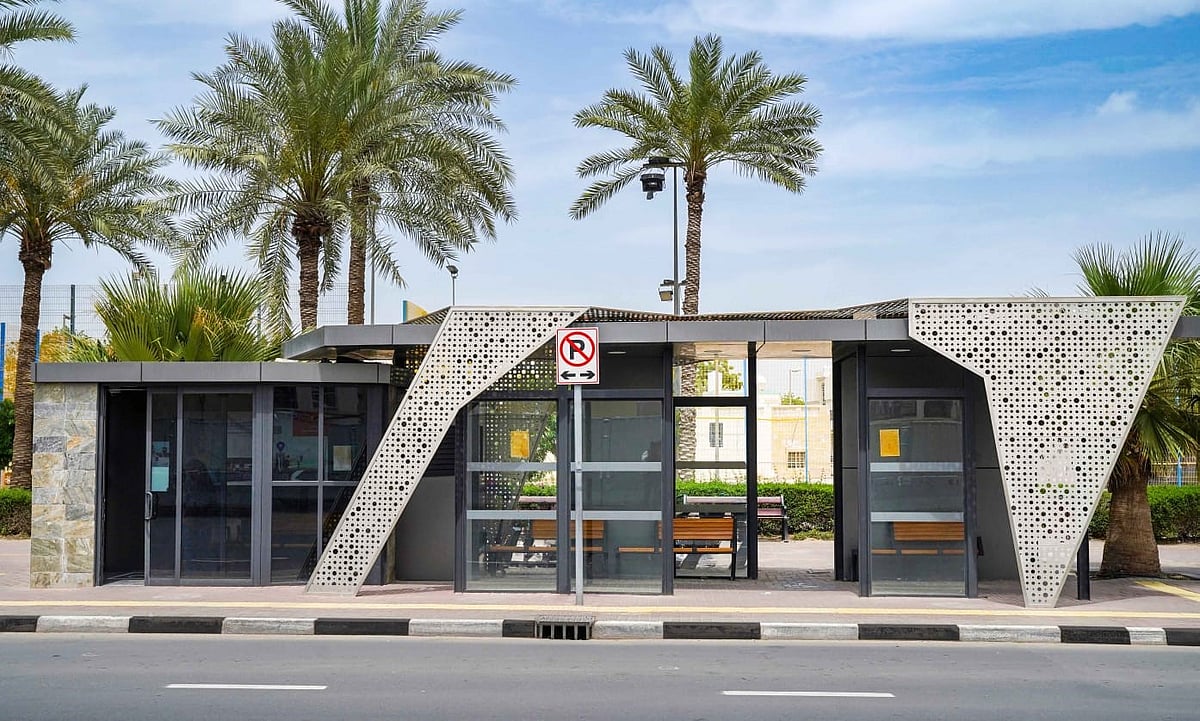
Dubai: Dubai is accelerating its push towards smarter, more commuter-friendly mobility, with the Roads and Transport Authority (RTA) completing 726 modern bus shelters across key areas of the emirate marking a major upgrade to everyday public transport experience.
The project, which serves more than 192 million riders annually, reflects a broader strategy to make public transport more efficient, comfortable and attractive. Several of the new shelters are linked to more than 10 bus routes, improving connectivity, reducing travel time, and enhancing overall network performance.
Strategic step
Mattar Al Tayer, Director General and Chairman of the Board of Executive Directors of the RTA, said the initiative represents a strategic step in strengthening infrastructure that underpins Dubai’s public transport system.
He noted that the project aligns with the emirate’s vision of building an integrated, people-centric urban environment that enhances quality of life and reinforces Dubai’s position as one of the world’s leading cities.
Al Tayer added that mobility infrastructure development goes beyond operations, focusing on improving the overall user journey while advancing sustainability goals and reducing carbon emissions.
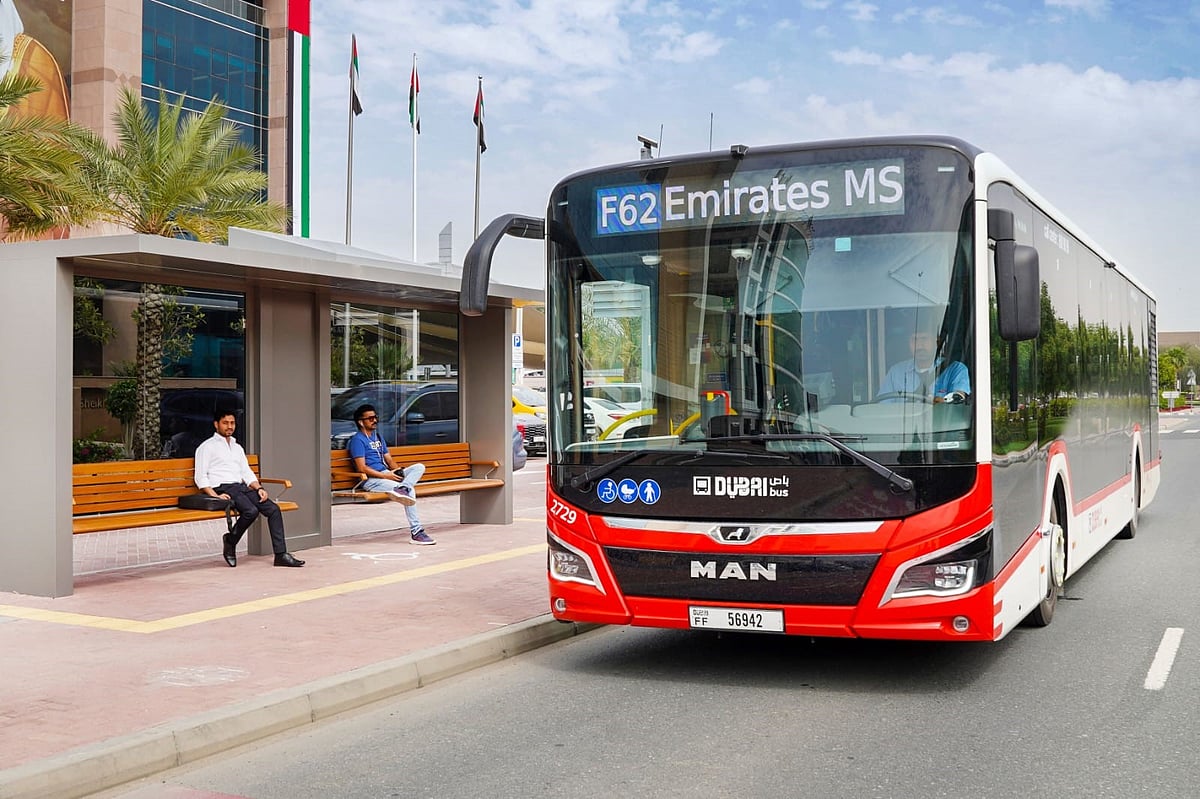
At main stops, commuters benefit from air-conditioned spaces, shaded outdoor seating, and dedicated advertising areas
New shelters
He said: “We ensured that the new shelters combine modern, attractive design with integrated services that enhance the mobility experience, strengthen public confidence in the public transport system, and support sustainability objectives, including reducing emissions. The shelters serve a large number of bus routes, sometimes over ten routes per shelter, which improves network efficiency, cuts travel time, and boosts public transport ridership.”
Get updated faster and for FREE: Download the Gulf News app now - simply click here.
Locations
The locations of the shelters were carefully selected to serve high-density areas and meet both current and future demand, while also supporting integration with individual mobility options.
To address varying passenger volumes, the shelters have been categorised into seven models. These range from main stops serving more than 750 riders per day, to secondary and standard stops, as well as smaller pickup and drop-off points.
Air-conditioned
At main stops, commuters benefit from air-conditioned spaces, shaded outdoor seating, and dedicated advertising areas. All shelters are equipped with information displays providing route maps, timetables, service frequency, and other key travel details.
The design also complies with the Dubai Universal Design Code, ensuring accessibility for People of Determination. Dedicated spaces for wheelchair users have been incorporated as part of the “My Community … A City for Everyone” initiative, reinforcing Dubai’s ambition to become a fully inclusive and accessible city.
ملاحظة تحريرية | Editorial Note:
نُشر هذا المقال في الأصل بواسطة Gulf News.
خبر (Khabr) هي منصة إعلامية أردنية مرخّصة تعمل بالذكاء الاصطناعي.
نضيف قيمة تحريرية من خلال: تحليل ذكي للأخبار، ملخصات تلقائية، رواية صوتية بالذكاء الاصطناعي، ترجمة متعددة اللغات، وتدقيق الحقائق.
هدفنا جعل الأخبار أكثر وضوحاً وسهولةً للقارئ العربي.
This article was originally published by Gulf News.
Khabr is a licensed Jordanian AI-powered news platform (Registration #82086).
We add editorial value through: AI-powered news analysis, automated summaries, AI audio narration, multi-language translation (Arabic, English, French, Turkish), and AI fact-checking.
Our mission is to make news more accessible and understandable for Arabic-speaking audiences worldwide.
هذا الخبر ضمن تغطية خبر لقسم أخبار محلية.
نقدّم لك تحليلات ذكية وملخصات يومية لأهم الأخبار من مصادر موثوقة متعددة.
المصدر: Gulf News.
يوجد 6 مقالات مرتبطة بهذا الموضوع.
This article is part of Khabr's coverage of Local News.
We provide AI-powered analysis, summaries, and multi-source aggregation to keep you informed.
Source: Gulf News.
Tags: Dubai, public transport, bus shelters.
🍪 نستخدم ملفات تعريف الارتباط لتحسين تجربتك وعرض الإعلانات المخصصة. باستخدامك للموقع، فإنك توافق على سياسة ملفات تعريف الارتباط وسياسة الخصوصية.
We use cookies to enhance your experience and show personalized ads. By using this site, you agree to our Cookie Policy and Privacy Policy.
FREEFree 1GB Internet + Free International Calls
$1 trial — eSIM in 190+ countries — No roaming charges