Escalating Tensions: US and Iran Exchange Missile Strikes Amidst Stalled Peace Efforts
•The US and Iran have exchanged missile strikes, escalating tensions amid stalled peace efforts.
•The conflict stems from longstanding disputes over Iran's nuclear program and military actions in the Middle East.
•International leaders are calling for dialogue and a ceasefire, but negotiations seem increasingly unlikely.
المصدر: خبر - ترند | Source: خبر - ترندIntroduction
The conflict between the United States and Iran has escalated dramatically over the past week, with both nations exchanging missile barrages that have left the international community on high alert. As hopes for a swift diplomatic resolution continue to diminish, fears of a prolonged conflict are growing.
Background of the Conflict
The current hostilities began five months ago, rooted in longstanding tensions over Iran's nuclear program and its military activities in the region. The US has accused Iran of destabilizing the Middle East, while Iran claims it is acting in self-defense against American aggression. This tit-for-tat has led to a series of confrontations, including drone strikes and cyber-attacks, but the recent missile exchanges mark a significant escalation.
Recent Missile Strikes
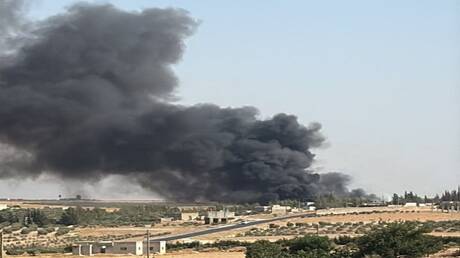
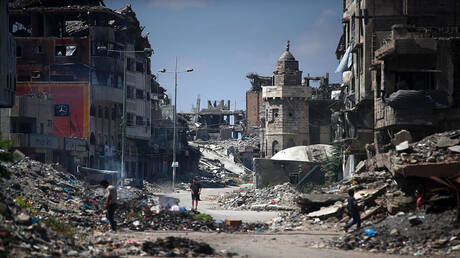
In the latest developments, the US launched a series of targeted missile strikes against Iranian positions, reportedly aimed at crippling Iran's ability to retaliate further. In response, Iran fired missiles at US military bases in Iraq, resulting in casualties and damage to infrastructure. These exchanges not only highlight the immediate dangers but also underline the precarious balance of power in the region.
International Reactions
Governments around the world have expressed grave concerns over the escalation, urging both parties to engage in dialogue rather than military action. The United Nations Secretary-General called for an immediate ceasefire, emphasizing the need for renewed diplomatic efforts. However, given the current climate, both the US and Iran appear entrenched in their positions, making negotiations increasingly unlikely.
Implications for Global Security
The ongoing conflict poses significant risks not only to the US and Iran but also to global security. A prolonged military engagement could destabilize the entire Middle East, impacting oil supplies and exacerbating humanitarian crises. Analysts warn that further escalation could lead to a broader regional war, drawing in other nations and complicating an already volatile situation.
Path Forward
As it stands, the hopes for a peaceful resolution are rapidly fading. Diplomatic channels, once considered a viable path to de-escalation, seem ineffective as both sides dig in their heels. The international community must urgently re-engage with both the US and Iran to find common ground before the situation spirals out of control.
Conclusion
With missile strikes now a reality in this ongoing conflict, the urgent need for diplomacy has never been clearer. As the world watches, the fate of US-Iran relations—and potentially regional stability—hangs in the balance. Without concerted efforts towards negotiation, the cycle of violence threatens to continue, with devastating consequences for millions.
→The US and Iran have exchanged missile strikes, escalating tensions amid stalled peace efforts.
→The conflict stems from longstanding disputes over Iran's nuclear program and military actions in the Middle East.
ملاحظة تحريرية | Editorial Note: نُشر هذا المقال في الأصل بواسطة خبر - ترند. خبر (Khabr) هي منصة إعلامية أردنية مرخّصة تعمل بالذكاء الاصطناعي. نضيف قيمة تحريرية من خلال: تحليل ذكي للأخبار، ملخصات تلقائية، رواية صوتية بالذكاء الاصطناعي، ترجمة متعددة اللغات، وتدقيق الحقائق. هدفنا جعل الأخبار أكثر وضوحاً وسهولةً للقارئ العربي.
This article was originally published by خبر - ترند. Khabr is a licensed Jordanian AI-powered news platform (Registration #82086). We add editorial value through: AI-powered news analysis, automated summaries, AI audio narration, multi-language translation (Arabic, English, French, Turkish), and AI fact-checking. Our mission is to make news more accessible and understandable for Arabic-speaking audiences worldwide.