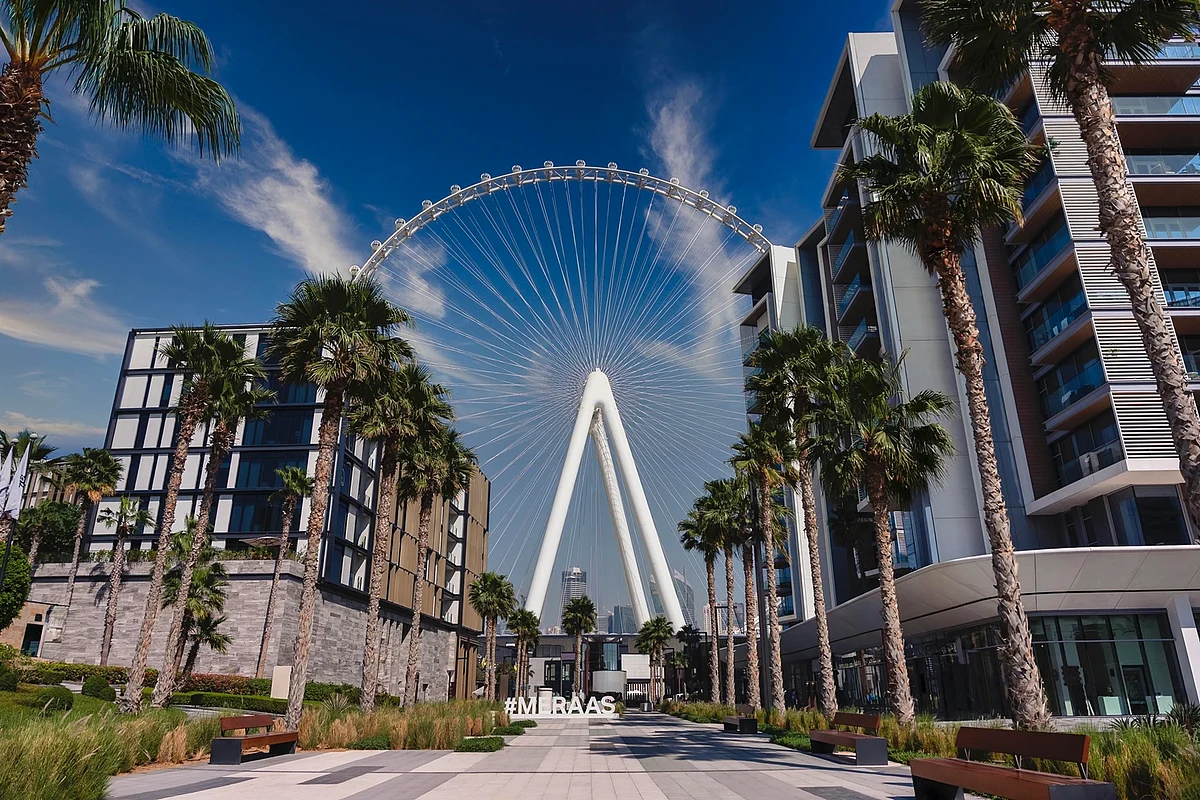
A growing number of long-term Dubai residents are upgrading from smaller apartments to larger units and villas, taking advantage of a cooling in parts of the property market, according to industry insiders.
Rohit Bachani, co-founder of Merlin Real Estate, said the trend reflects Dubai’s evolution into a long-term residential hub rather than a transient market.
He said residents are moving across segments, with some upgrading from one-bedroom to two- and three-bedroom units, while villa owners in areas such as Jumeirah are shifting to larger homes in communities like Emirates Hills.
Stay up to date with the latest news. Follow KT on WhatsApp channels.
“These are people who have made Dubai their home for generations. It’s not a transient city anymore,” Bachani said.

Rohit Bachani
He added that activity remains strong in areas such as Dubai Hills Estate, Jumeirah, and Emirates Hills, although buyers have become more selective on pricing, creating opportunities for negotiated deals and upgrades within and across communities.
Following a five-year post-Covid rally, market growth began to slow even before recent geopolitical conflict involving the US, Israel, and Iran. Some segments have since seen price softening, prompting end-users and investors to capitalise on value opportunities.
Bachani also pointed to a “selective buyer window”, where long-term residents, high-net-worth individuals, family offices, and institutional investors are focusing on perceived undervalued assets.
He described the recent slowdown as a “maturing” phase rather than a downturn, with price adjustments creating opportunities for both end-users and institutional capital.
According to real estate consultancy Savills, Dubai's residential property market has entered a more measured phase in the first quarter of 2026, following a strong start to the year.
Transaction volumes reached approximately 45,208 in Q1, reflecting a 17 per cent quarter-on-quarter downward adjustment after three consecutive quarters in 2025 where volumes exceeded 50,000. Activity in January and February remained broadly in line with 2025 trends, while March saw a temporary easing in momentum.
This shift was influenced by a combination of factors. The wider regional geopolitical developments understandably led to a more cautious and considered approach among market participants while seasonal trends governed by Ramadan, the Eid holiday period and spring break at schools also affected the pace of activity.
Nitin Chauhan, partner at Pride & Property, said demand remains broad-based across prime and emerging villa communities. However, certain pockets with higher secondary inventory or aggressive off-plan launches are seeing increased negotiation room.
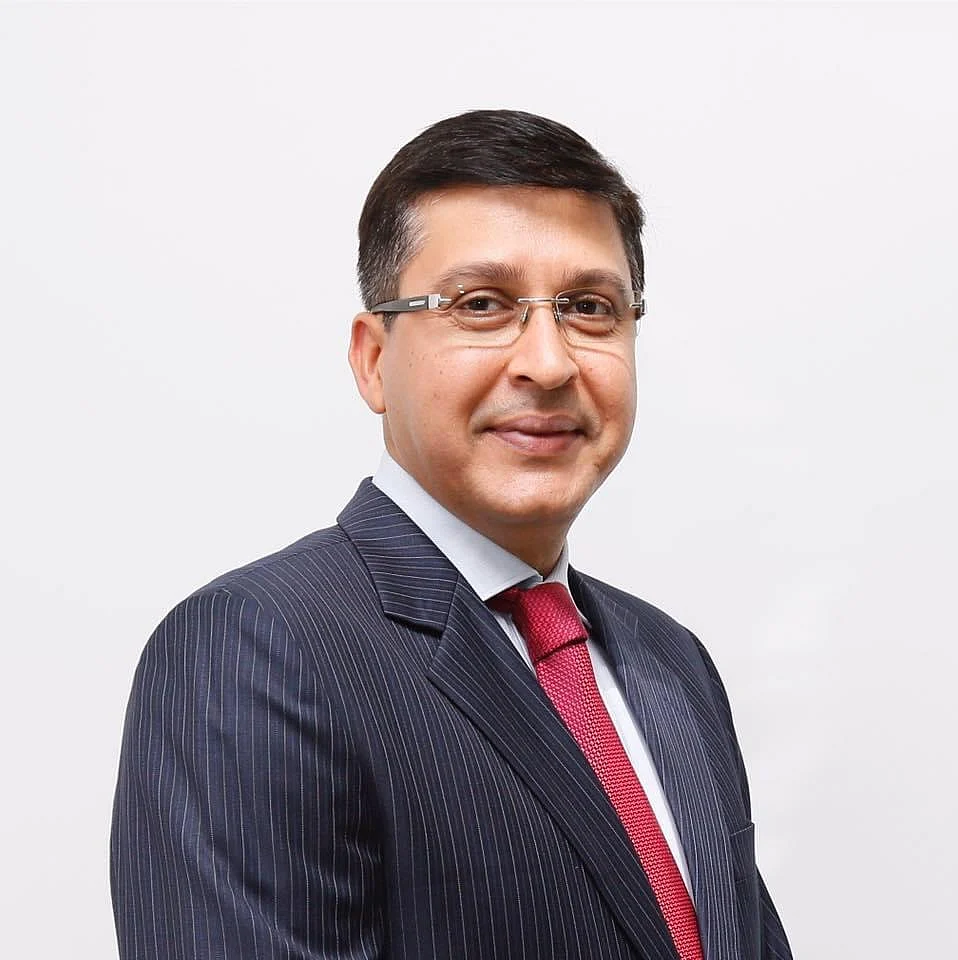
Nitin Chauhan
“Investors in these segments are typically disciplined, well-capitalised, and take a medium- to long-term view. This includes HNW and UHNW buyers targeting land parcels, undervalued villas with redevelopment potential, or bulk deals where value can be created through design and repositioning,” Chauhan said.
Blagoje Antic, CEO and founder of DHG Group, said buyers are now focusing more on fundamentals such as location, quality, and long-term value rather than short-term price movements.
He described this as a natural stage in a maturing market, adding that activity remains steady even as decision-making becomes more selective.
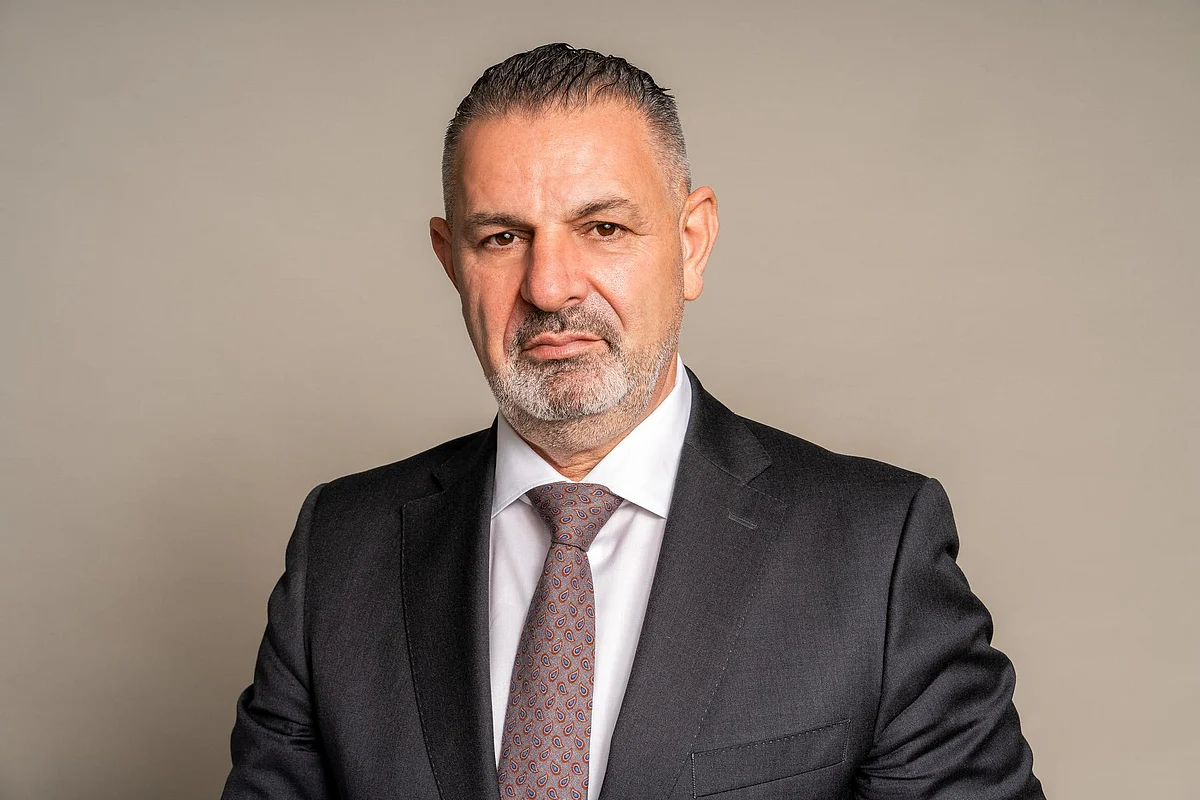
Blagoje Antic