Dogs, drones and sound detectors: How rescuers search for quake survivors
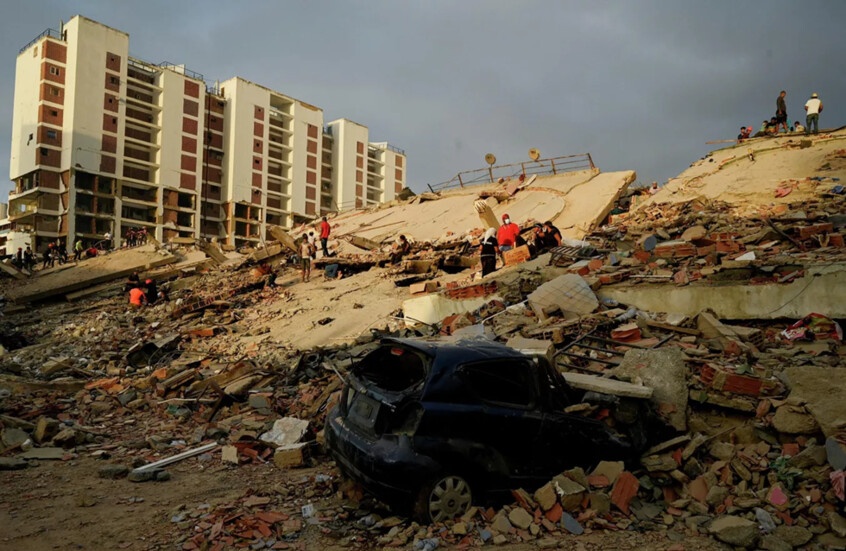
•Dogs, drones and sound detectors: How rescuers search for quake survivorsImage source, Anadolu via Getty ImagesImage caption, Rescuers pictured searching through rubble in La Guaira, which has been de...
•Then, when they actually locate a human on the ground, they are handed the toy as a reward by their handler.Search dogs can also be ve...
هذا الخبر من BBC News. خبر يقدم أدوات ذكاء اصطناعي للتلخيص والترجمة والاستماع.
Dogs, drones and sound detectors: How rescuers search for quake survivorsImage source, Anadolu via Getty ImagesImage caption, Rescuers pictured searching through rubble in La Guaira, which has been devastated by last week's earthquakesByAlys DaviesPublished6 minutes agoRescuers are racing to find remaining survivors beneath the rubble of Venezuela's twin earthquakes, in which at least 1,450 people are known to have been killed - with the number expected to rise.The 96-hour window during which survivors were most likely to be found passed on Sunday evening.But on the ground, teams are still hopeful of finding survivors and continue to conduct searches "to the same level of detail as on day one", search and rescue expert Lee Ivory tells the BBC.Ivory is deputy national coordinator for UK International Search and Rescue (UK ISAR) - which is among dozens of foreign rescue teams who are working alongside locals in Venezuela.Armed with equipment ranging from search dogs to sound detection devices and cameras, rescuers are using a range of methods to reach those who are still alive.Search dogsImage source, UK ISARImage caption, Ivory, whose search and rescuer colleagues have been deployed to Venezuela, says the abilities of search dogs are "amazing"Specially-trained search dogs are used to sniff out where potential victims may be located, says Ivory - who has been deployed to relief efforts following earthquakes in Haiti, Japan and Nepal and is currently helping to coordinate efforts in Venezuela from the UK.They can identify a person's smell even when they are buried as far as 10m (32.8ft) under rubble - and will let out a "really strong and sustained bark" when they do, alerting rescuers to a potential survivor.The dogs are trained using toys imprinted with a human's smell, Ivory explains. Then, when they actually locate a human on the ground, they are handed the toy as a reward by their handler.Search dogs can also be ve...المصدر: BBC News | Source: BBC News
ملاحظة تحريرية | Editorial Note: نُشر هذا المقال في الأصل بواسطة BBC News. خبر (Khabr) هي منصة إعلامية أردنية مرخّصة تعمل بالذكاء الاصطناعي. نضيف قيمة تحريرية من خلال: تحليل ذكي للأخبار، ملخصات تلقائية، رواية صوتية بالذكاء الاصطناعي، ترجمة متعددة اللغات، وتدقيق الحقائق. هدفنا جعل الأخبار أكثر وضوحاً وسهولةً للقارئ العربي.
This article was originally published by BBC News. Khabr is a licensed Jordanian AI-powered news platform (Registration #82086). We add editorial value through: AI-powered news analysis, automated summaries, AI audio narration, multi-language translation (Arabic, English, French, Turkish), and AI fact-checking. Our mission is to make news more accessible and understandable for Arabic-speaking audiences worldwide.