An antimalarial compound developed by scientists at the University of Dundee has been hailed as a major advance in the global battle against malaria.
The molecule, known as cabamiquine, offers the advantage of being administered as a single dose.
Findings from the research, now published in The Lancet Infectious Diseases, show that the new drug-like compound shows genuine promise as a future malaria medicine.
The discovery arrives at a critical juncture where existing antimalarial treatments face mounting resistance worldwide.

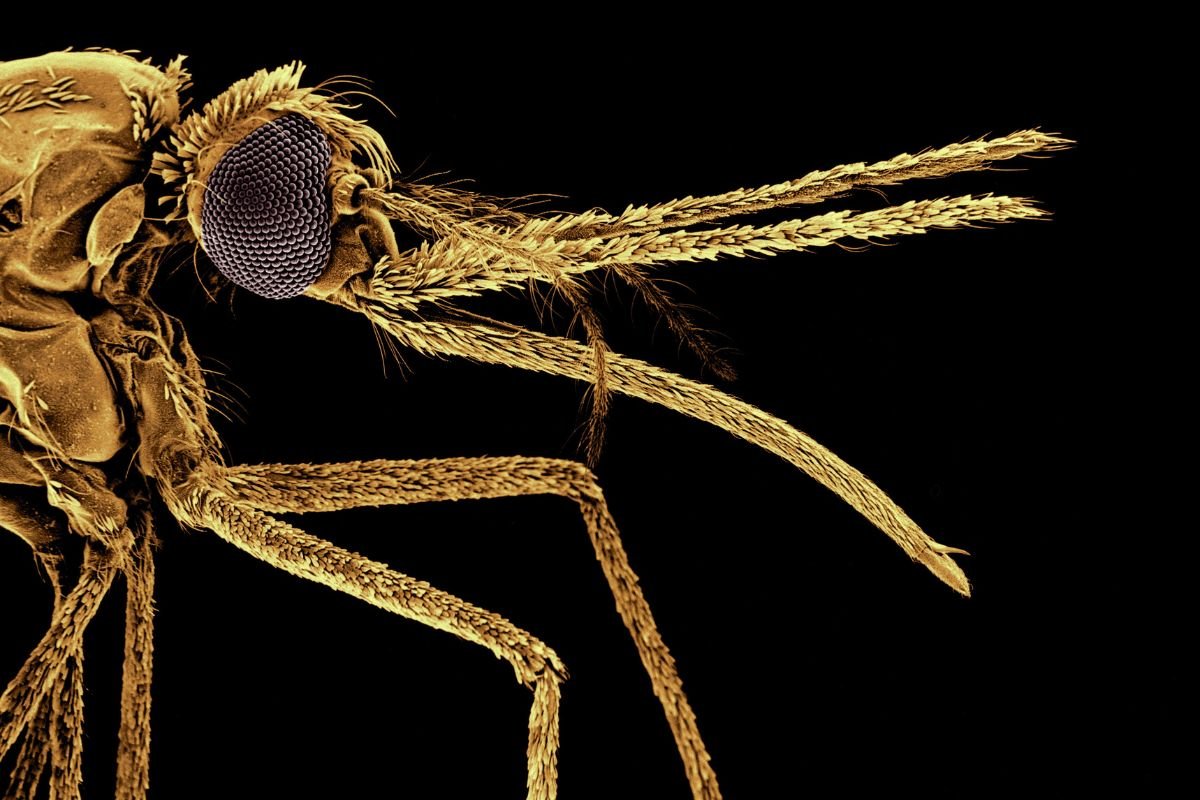
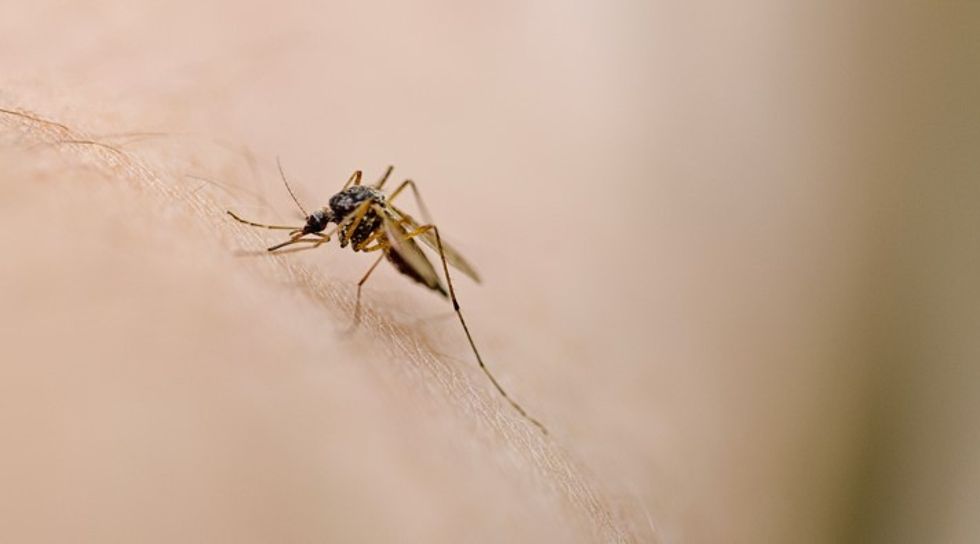
Malaria, a potentially fatal illness transmitted to humans through certain mosquito species, remains concentrated in tropical regions.
The global burden in 2024 was staggering: an estimated 282 million infections and approximately 610,000 deaths, figures that have been climbing partly because of increasing resistance to current antimalarial medicines.
Against this sobering backdrop, the early-stage clinical trial of cabamiquine has delivered encouraging results.
When given alongside pyronaridine, an established antimalarial drug, the compound proved both effective and well-tolerated in adult and adolescent patients.
LATEST DEVELOPMENTS:
- Scientists warn zero-sugar swap may not be protecting you against diabetes
- Nighttime habits that disproportionately raise blood pressure, according to a doctor
- Walking speed in your 80s linked to 50% lower risk of brain decline
The safety profile was described as favourable, bolstering the case for advancing this combination therapy into larger-scale trials.
Researchers indicated that further studies involving children are also warranted, a crucial next step given malaria's disproportionate impact on younger populations.
Dr Beatriz Baragana, who was part of the Dundee team behind the discovery, said: "This is an exciting step forward for a compound which has great potential to simplify dosing regimens for malaria, a disease which causes hundreds of thousands of deaths every year."
She added: "We are delighted to see how the compound, when administered with pyronaridine, is progressing into a potential malaria medicine, giving hope to the millions of people affected by malaria every year."
Professor Ian Gilbert, who leads the university's drug discovery unit, emphasised the practical significance of single-dose delivery.
He said: "The benefits of this compound are not only that it looks to be effective, with a good benefit/risk profile, but it can also be delivered in a single dose, which is an important factor when you are treating a disease that occurs commonly in areas where consistent delivery of healthcare can be challenging."
The Dundee team's work was backed both financially and scientifically by Medicines for Malaria Venture (MMV), the global organisation that now plans to take the cabamiquine-pyronaridine combination forward for further development.
Paul Willis, MMV's vice president of drug discovery and preclinical safety, said: "Novel treatment and prevention regimens are urgently needed with simplified dosing to enable effective case management and to support long-term malaria control and elimination goals."
Our Standards: The GB News Editorial Charter