Armed groups temporarily blocked the Damascus–Suweida highway at the Umm al-Zaytun checkpoint in the northern countryside of Suweida on Sunday morning, preventing civilians from traveling toward the capital before the road was reopened later in the day. The incident has once again brought movement restrictions and civilian mobility to the forefront of ongoing security tensions in the province.
Local media reported that while civilian vehicles bound for Damascus were turned back, select cargo trucks traveling from the capital into Suweida were permitted to pass.
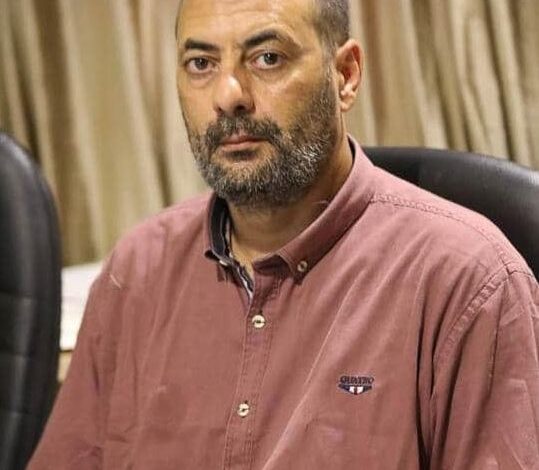
Qutaiba Azzam, Media Relations Director for Suweida Governorate, stated in press remarks that groups he characterized as “outlaws” blocked the route, harassed civilian vehicles heading toward Damascus, and denied passengers passage before traffic was eventually restored.
Discrepancies remain regarding the entity responsible for the disruption. Local reports attributed the action to elements affiliated with the Security Office of the self-styled “National Guard” in Suweida. The accused parties have not issued an official statement clarifying the circumstances surrounding the incident.
The temporary closure carries heightened sensitivity as it directly intersects with the national examination schedule for students in Suweida. On August 19, Transitional President Ahmad al-Sharaa issued Decree No. 163 of 2026, granting an exceptional secondary exam session for basic and general secondary education students who were unable to take their regular assessments. The decision followed widespread appeals from students and parents seeking a secure environment in which to complete their qualifications.
Initial plans called for transferring students to testing centers outside the governorate. However, volatile security conditions and transportation challenges prevented large numbers from reaching those locations. Following the decree, local authorities and the Ministry of Education began preparing local centers across the Suweida countryside to accommodate more than 13,000 students, aiming to resolve an academic impasse that has persisted since the standard exam period.
Field reports indicate the closure coincided with ongoing preparations for these exceptional exams, introducing an unexpected security hazard into a process expected to stabilize following the presidential decree. Over recent weeks, Suweida had witnessed protests demanding safer exam venues, while the decision to establish centers in rural areas drew criticism from families concerned about persistent security risks along the transit routes.
Meanwhile, government agencies continue setting up centers and executing the operational directives of Decree 163 to prevent students from forfeiting their academic year.
In the wake of these events, reports surfaced regarding meetings held by local security figures to discuss restricting students from leaving Suweida to access exam centers. Some local sources linked these discussions to a coordinated plan to sever the Damascus–Suweida highway. However, these claims lack independent verification, and no definitive public evidence has emerged regarding the precise motivations or decisions behind the roadblock. Furthermore, neither Sheikh Hikmat al-Hijri nor his son Salman al-Hijri has issued a documented statement acknowledging responsibility for the closure or clarifying their position on student access to exam centers.
The latest friction occurs against the backdrop of a broader crisis in Suweida, where relations between Damascus and local influential forces remain stalled over security arrangements, administrative jurisdiction, and the future presence of state institutions. Continued road blockades and transit restrictions highlight how political and security impasses can swiftly escalate into service and humanitarian crises, particularly for a governorate heavily dependent on its primary artery to Damascus for commerce, supplies, and fuel.
While the government reopened the academic path through Decree 163, the brief shutdown of the Damascus–Suweida highway subjects the initiative to a fresh test. The success of the special exam session depends not only on functional halls and educational staff, but on guaranteeing safe and unhindered passage for students. Continued road disruptions risk shifting the issue from an educational challenge into a broader crisis affecting freedom of movement across the region.
This article was translated and edited by The Syrian Observer. The Syrian Observer has not verified the content of this story. Responsibility for the information and views set out in this article lies entirely with the author.
The post Brief Closure of the Damascus–Suweida Highway Threatens Special Exam Session first appeared on The Syrian Observer.