
Dubai: After holding fire for nearly a month, Yemen’s Houthi militants have entered the widening US-Iran war — launching missiles toward Israel in a move that could open a dangerous new front and threaten global trade routes.
The Iran-aligned group, which controls Yemen’s capital Sanaa and large parts of the north, said it targeted “sensitive Israeli military sites”. The strikes mark its first direct intervention in the conflict, despite weeks of escalating tensions.
While the Houthis’ missile capabilities pose a more limited threat to Israel compared to Iran, analysts warn their real power lies elsewhere — at sea.
The United States has designated the Houthis a terrorist group, with Western countries also imposing sanctions and restrictions
The militant group had previously targeted Israel and Red Sea shipping in support of Hamas during the Gaza war following the October 7, 2023 attacks, disrupting maritime traffic with limited damage.
A familiar playbook — and a bigger risk
As previously seen during the Gaza war, the Houthis have repeatedly targeted commercial shipping in the Bab Al Mandab Strait, a narrow but critical gateway linking the Red Sea to global trade routes.
According to an analysis, earlier Houthi attacks on shipping caused disruption but limited direct damage.
Red Sea attacks: The impact last time
More than 50% drop in Suez Canal traffic at peak disruption
Around 15% of global trade passes through this route
Ship transits through Bab al-Mandab fell sharply during attacks
Vessels rerouted around Africa, adding 10–14 days to journeys
Freight costs surged sharply on key global routes
Insurance premiums for ships more than doubled
100+ vessels targeted during peak phase of attacks
Egypt lost billions in Suez Canal revenue
Global trade flows saw noticeable short-term disruption
Up to $10 billion worth of cargo affected daily at peak disruption
However, their ability to threaten vessels forced rerouting, raised insurance costs, and shook confidence in one of the world’s busiest maritime corridors.
If such attacks resume, the consequences could be far more severe this time.
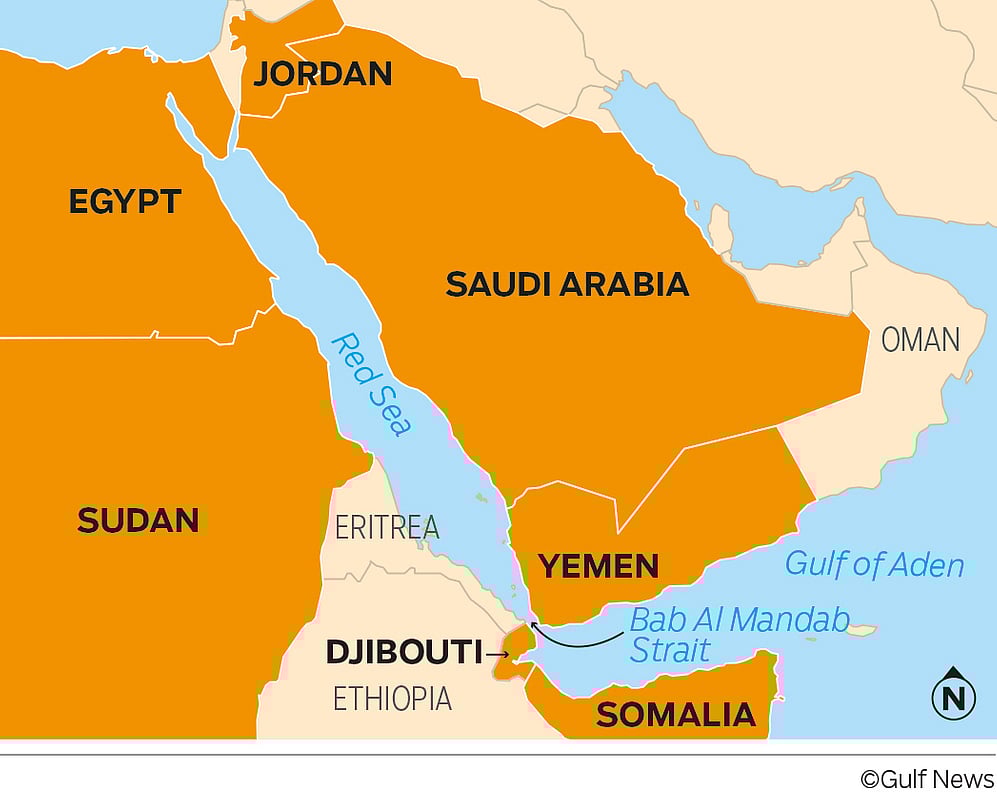
Two chokepoints at risk
The danger lies in the potential overlap of two crises:
The Houthis targeting shipping at Bab Al Mandab
Iran tightening pressure around the Strait of Hormuz
Together, these waterways handle a massive share of global oil and trade flows.
The situation around the Strait of Hormuz has already tightened, with Iran effectively restricting traffic and allowing only selected or non-hostile vessels to pass under closer control.
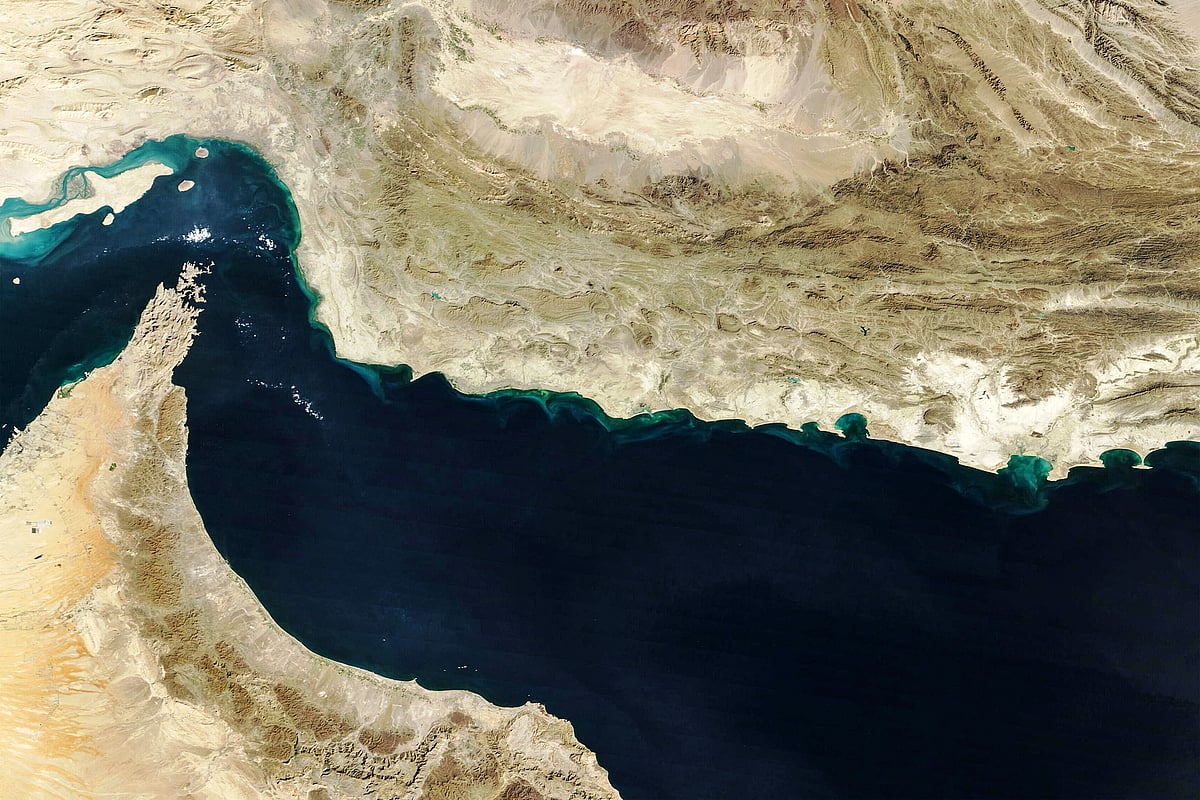
The narrow waterway carries a significant share of the world’s oil supplies, making it one of the most critical arteries for global energy flows.
Any disruption there, combined with renewed threats in the Red Sea, would put two of the world’s key trade chokepoints under simultaneous pressure — raising the risk of higher energy prices, shipping delays and wider economic fallout.
Even countries like Saudi Arabia, which can bypass Hormuz via pipelines to the Red Sea, could see those alternatives come under strain if Houthi attacks on shipping intensify.
If both routes are disrupted simultaneously, it could:
Send oil prices sharply higher
Delay global shipping
Disrupt energy supplies across Asia, Europe, and beyond
This is why even limited Houthi action is being closely watched by global markets.
Beyond Israel: A regional threat
The Houthis have also demonstrated the ability to strike beyond Yemen.
In past conflicts, they have targeted:
Energy infrastructure
Airports and military bases
Gulf cities including in Saudi Arabia
A renewed campaign could once again put regional infrastructure at risk — particularly if the conflict widens further.
Have the Houthis grown stronger?
Despite sustained US and Israeli airstrikes in previous months, the Houthis appear to have retained — and possibly rebuilt — key capabilities.
The group has shown resilience:
Surviving leadership strikes
Continuing missile and drone launches
Maintaining territorial control in Yemen
That raises a key question: How far are they willing to go this time?
A risky calculation
There is also a political dimension.
When the Houthis attacked in support of Palestinians during the Gaza war, they gained some regional sympathy.
But acting in direct support of Iran in a broader regional war may not carry the same level of backing — especially if it triggers economic pain or further instability.
Yemen’s fragile calm at risk
Another major concern is Yemen itself.
After years of devastating conflict, parts of the country have seen relative calm in recent times. A deeper Houthi military role in the current war risks:
Reigniting internal fighting
Drawing rival factions back into conflict
Worsening humanitarian conditions
The bottom line
The Houthis may have entered the war later than expected — but their involvement could have outsized consequences.
Their missile strikes on Israel may grab headlines.
But their ability to disrupt global shipping — and potentially align with wider regional escalation — is what makes this development far more dangerous.
If attacks intensify, this will not just be another front in the war.
It could mark a turning point — where a regional conflict begins to hit the global economy in a serious way.