World food prices climbed in March to their highest level since September last year and could rise further if the Middle East conflict that pushed up energy prices continues, the United Nations Food and Agriculture Organisation (FAO) said on Friday.
“Price rises since the conflict began have been modest, driven mainly by higher oil prices and cushioned by ample global cereal supplies,” FAO Chief Economist Maximo Torero said in a statement.
But if the conflict lasts over 40 days and input costs remain high, farmers may reduce inputs, plant less, or switch crops to less intensive fertiliser crops, he said.
“Those choices will hit future yields and shape our food supply and commodity prices for the rest of this year and all of the next,” he added.
The FAO Food Price Index, which measures changes in a basket of globally traded food commodities, rose by 2.4% from its revised February level. It is 1% above its value a year ago, although nearly 20% below its March 2022 peak, reached after the start of the war in Ukraine.
FERTILISER COSTS COULD LEAD TO REDUCED PLANTING
The cereal price index increased by 1.5% from the previous month, led by a 4.3% increase in international wheat prices due to worsening crop prospects in the U.S. and expectations of lower plantings in Australia due to higher fertiliser costs.
Global maize prices edged up as ample global supply offset concerns over fertiliser costs, and indirect support from greater ethanol demand prospects linked to higher energy prices.
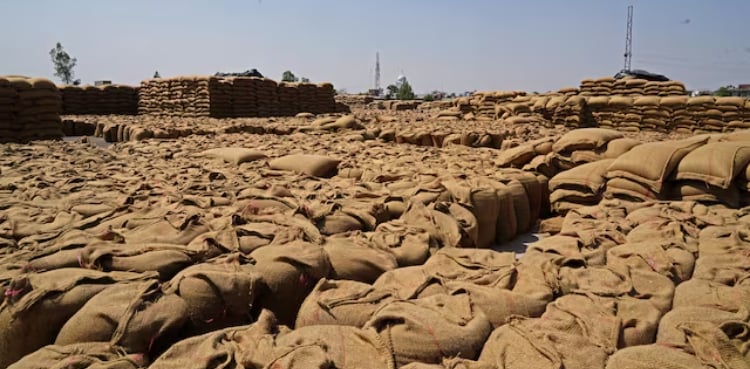
Rice prices dropped 3.0% due to harvest timing and weaker import demand.
Vegetable oil prices increased 5.1%, marking the third consecutive monthly rise. Higher quotations for palm, soy, sunflower, and rapeseed oil reflected the impact of rising global energy prices and expectations of stronger biofuel demand.
Palm oil prices reached their highest level since mid-2022.
Sugar prices jumped 7.2% in March to their highest since October 2025, as higher crude oil prices drove expectations that Brazil, the world’s largest sugar exporter, would channel more sugarcane into producing ethanol.
Meat prices rose 1.0%, led by higher pig meat prices in the European Union and bovine meat prices in Brazil, while poultry prices edged lower.
In a separate report, the FAO slightly raised its estimate for the 2025 global cereal production forecast to a record 3.036 billion metric tons. It would be 5.8% higher year-on-year.