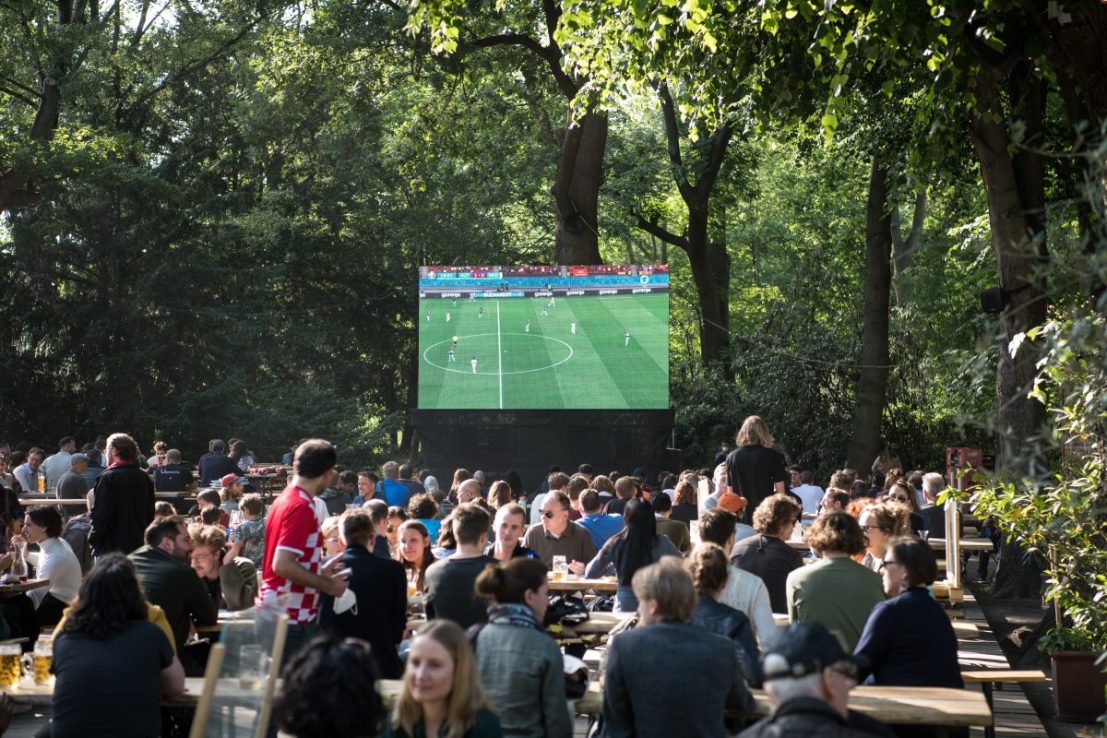
When England kick off their World Cup campaign against Croatia next month, many will be watching from the comfort of pubs nationwide. While a 9pm kick-off means beer gardens might not be as sun-kissed as we’re used to, the tournament is set to be a significant opportunity for a hospitality sector that is in desperate need of respite.
Hospitality has been hit by a succession of financial challenges in recent years, with the prospect of an energy crisis the latest addition to a laundry list of cost rises. While many hospitality groups or independent businesses had the foresight, or the luck, to hedge energy prices, many others are now facing up to higher energy bills in the coming months.
Hospitality businesses have also had to reckon with rises in National Minimum Wage. While this in theory would mean consumers have more in their pockets, pubs are still having to cut hours, institute hiring freezes, and operate far more leanly because of the increased cost burden.
The extended uncertainty around the government’s approach to business rates has not helped either. Political messaging suggested first that business rate relief would only apply to pubs, then to the entire hospitality sector, and then once again back to just pubs. The inconsistency left many feeling the government wasn’t committed to supporting the industry, with wider hospitality businesses left staring down at onerous business rates, and the relief only temporary for pubs.
British pub set for hot summer?
In this context, it’s unsurprising that pubs are facing a challenging time. From the course of our conversations with operators, it’s clear that consumers are typically spending for occasions rather than on an ad hoc, spontaneous basis. Maximising the revenue generated from such events has become absolutely essential as a result. Fortunately for pubs, this summer’s World Cup should be the hospitality equivalent of a tap-in.
Two of England’s group stage games are 9pm kick-offs – the third is 10pm – potentially providing a much longer build-up period for consumers to spend at the pub. The government has also allowed venues to extend their opening hours for key Home Nations games, offering greater trade while games are shown. Indeed, in many cases, those looking to watch matches with a pint will have to act quickly, with pubs reporting being booked out for England matches even months in advance.
Pubs will be hoping that the impact of the tournament on trade lasts beyond the World Cup Final on 19 July. It is becoming increasingly difficult to predict consumer habits, but there has been a shift, with Gen Z noticeably drinking less and the current economic climate putting a strain on the ability to socialise regularly.
World Cup fever
But with consumer habits being so changeable, the hope is that a summer of sport and sunshine, potentially coupled with successful campaigns for England and Scotland, might be a timely reminder of the particular appeal of whiling away a summer evening at the pub.
It is certainly a unique World Cup, with the tournament spanning three countries, and more teams competing than ever. While late kick-offs and contrasting time zones may somewhat limit pubs’ full capabilities over the course of June and July, a summer World Cup has been sorely missed after Qatar’s winter World Cup.
Harold Wilson was famously rumoured to have called the 1970 election to coincide with anticipated England World Cup success, failing to foresee West Germany overturning England’s 2-0 lead in the quarterfinals. While an England World Cup win fuelling more upbeat political sentiment may be a far-flung ambition this time around, the pub and hospitality sector will be hoping that this summer’s World Cup will definitively herald a more prosperous period.
Emma Bernardez is a partner and head of hospitality at HaysMac