Work-from-home may not save as much energy as Southeast Asia hopes
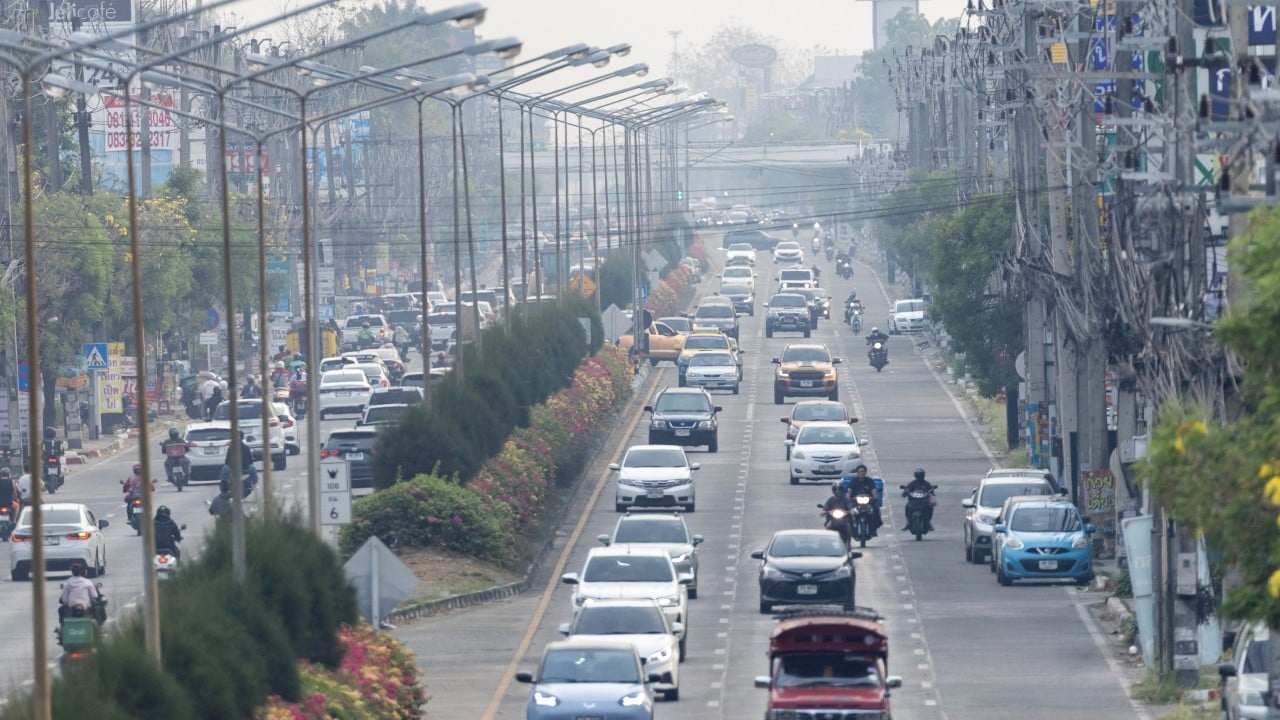
AdvertisementAseanThis Week in AsiaLifestyle & CultureWork-from-home may not save as much energy as Southeast Asia hopesRemote work for civil servants sounds like an easy solution in an energy crisis. Analysts aren’t so sure 3-MIN READ3-MIN ListenKolette LimPublished: 12:35pm, 21 Apr 2026Governments across Southeast Asia have been banking on work-from-home arrangements for civil servants to ease the sting of soaring energy costs triggered by the Iran war, but analysts say the maths is messier than it may first appear.Indonesia estimates its Friday work-from-home policy, introduced on April 1, will save around 6.2 trillion rupiah (US$361.5 million) in state fuel subsidies and nearly 10 times that amount in total consumption.The Philippines has similarly introduced a four-day work week for civil servants, while Thailand ordered all non-essential government employees home last month after crude oil prices crossed US$100 a barrel and Malaysia became the latest to follow suit last Wednesday.AdvertisementBut will the gains at the pump simply shift to pain at the power socket? Hundreds of air conditioners are seen on the rear of buildings in Singapore. Air conditioners in private homes are typically far less efficient than commercial ones. Photo: Education Images/Universal Images Group/Getty ImagesWhile fewer commuters on the roads would doubtless cut petrol consumption in the short term, analysts told This Week in Asia that any savings could be eaten up by higher household power use as air conditioners were left running all day in homes across the region. AdvertisementAdvertisementSelect VoiceSelect Speed0.8x0.9x1.0x1.1x1.2x1.5x1.75x00:0000:001.00xالمصدر: South China Morning Post | Source: South China Morning Post
ملاحظة تحريرية | Editorial Note: نُشر هذا المقال في الأصل بواسطة South China Morning Post. خبر (Khabr) هي منصة إعلامية أردنية مرخّصة تعمل بالذكاء الاصطناعي. نضيف قيمة تحريرية من خلال: تحليل ذكي للأخبار، ملخصات تلقائية، رواية صوتية بالذكاء الاصطناعي، ترجمة متعددة اللغات، وتدقيق الحقائق. هدفنا جعل الأخبار أكثر وضوحاً وسهولةً للقارئ العربي.
This article was originally published by South China Morning Post. Khabr is a licensed Jordanian AI-powered news platform (Registration #82086). We add editorial value through: AI-powered news analysis, automated summaries, AI audio narration, multi-language translation (Arabic, English, French, Turkish), and AI fact-checking. Our mission is to make news more accessible and understandable for Arabic-speaking audiences worldwide.