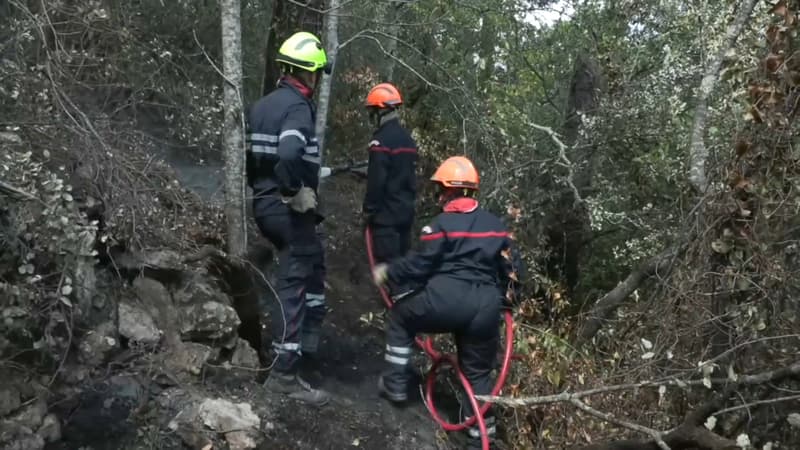
Woman drowned while trapped in rocks in Suffolk – rescue 'did not follow guidance'
Rescue efforts to save a mum trapped headfirst in sea defence rocks did not follow guidance, an inquest has heard. Saffron Cole-Nottage , 32, died after falling in Lowestoft, Suffolk, while walking her dog on The Esplanade on February 2 last year. An initial 999 call was made at 7.52pm and a paramedic arrived at the scene at 8.10pm. At 8.13pm, police were informed by the ambulance service that it was believed to be a body recovery operation. Her medical cause of death was later recorded as drowning. Professor Richard Lyon, a consultant in emergency medicine, told an inquest in Ipswich on Tuesday that a clock should start on 30 minutes of rescue efforts once a responder arrives on scene and confirms a person is submerged. Prof Lyon, who holds roles with NHS Scotland and the University of Surrey, said: "I do not think the guidance was followed in this case." He said: "The guidance is quite clear that the clock starts when the responder arrives on scene … and submersion is confirmed." He questioned "how sure the responders could be that Saffron was actually confirmed submerged when that decision [at 8.13pm] seemed to have been made from above the railings when she [Ms Cole-Nottage] was down in a difficult situation". Prof Lyon said it was "important to have an absolute time that everyone is working to and that time is sure and that’s definite". "That’s why the guidance is very clear that the time should be from the arrival of the first rescuer - there’s no ambiguity about that time," he said. "The whole purpose of the guideline is to maximise the chance of a lifesaving rescue." He cautioned that information on timings from a bystander may be "inaccurate" and should not be relied on, adding: "This is a stressful situation for a bystander." He said there could be an "air pocket". "The initial focus is always on rescue, it’s always to maximise the chance of a successful outcome," he said. Prof Lyon said the length of time a person could survive while submerged depended on factors including age, physiology and environmental conditions. He said a submerged person would initially attempt to hold their breath, which may last "a minute or two". He said the person would then take a breath and water would enter the mouth and upper airway before they would eventually stop breathing and their heart would stop. Prof Lyon estimated Ms Cole-Nottage’s window for "probable survival" was around five minutes after submersion began. He added that being upside down would have made breathing "harder" for Ms Cole-Nottage. The inquest previously heard that a level of 271 milligrammes of alcohol per 100ml of blood was recorded for Ms Cole-Nottage. The legal limit for driving in England is 80 milligrammes of alcohol per 100 millilitres of blood. Prof Lyon said the effect of the alcohol is "most relevant in terms of it would make her more likely to stumble, more likely to trip". He said Ms Cole-Nottage’s "protective reflex would have been diminished", which he said meant she may not have put an arm out as she fell. "When she was between the rocks her ability to move … and try to push herself out would have been impaired as well," he said. Prof Lyon said: "For Saffron to have had a probable survival, she would have needed to be rescued within five minutes of submersion and, if required, for CPR to start within that time." He said that "survival was possible up until about the 15-minute mark", but she may have sustained a brain injury. "In my opinion, beyond 25 minutes, survival would not have been possible," he said. "I should stress, all of these numbers are a best possible expert opinion," he added. The inquest continues.المصدر: Mirror | Source: Mirror
ملاحظة تحريرية | Editorial Note: نُشر هذا المقال في الأصل بواسطة Mirror. خبر (Khabr) هي منصة إعلامية أردنية مرخّصة تعمل بالذكاء الاصطناعي. نضيف قيمة تحريرية من خلال: تحليل ذكي للأخبار، ملخصات تلقائية، رواية صوتية بالذكاء الاصطناعي، ترجمة متعددة اللغات، وتدقيق الحقائق. هدفنا جعل الأخبار أكثر وضوحاً وسهولةً للقارئ العربي.
This article was originally published by Mirror. Khabr is a licensed Jordanian AI-powered news platform (Registration #82086). We add editorial value through: AI-powered news analysis, automated summaries, AI audio narration, multi-language translation (Arabic, English, French, Turkish), and AI fact-checking. Our mission is to make news more accessible and understandable for Arabic-speaking audiences worldwide.