Woke council launches 'slavery walking trail' so locals can learn city's 'deeply uncomfortable history'
•Glasgow City Council has launched a "slavery walking trail" to educate locals about the city's complicated history with slavery.
•The trail highlights key locations linked to Glasgow's economic growth through the slave trade, including notable streets and monuments.
•Council leader Susan Aitken emphasized the need to acknowledge the impact of slavery on the city's development and its ongoing legacy.
المصدر: GB News | Source: GB NewsGlashow City Council has launched a new "slavery walking trail" in a bid to educate locals about the city's "deeply uncomfortable" past.
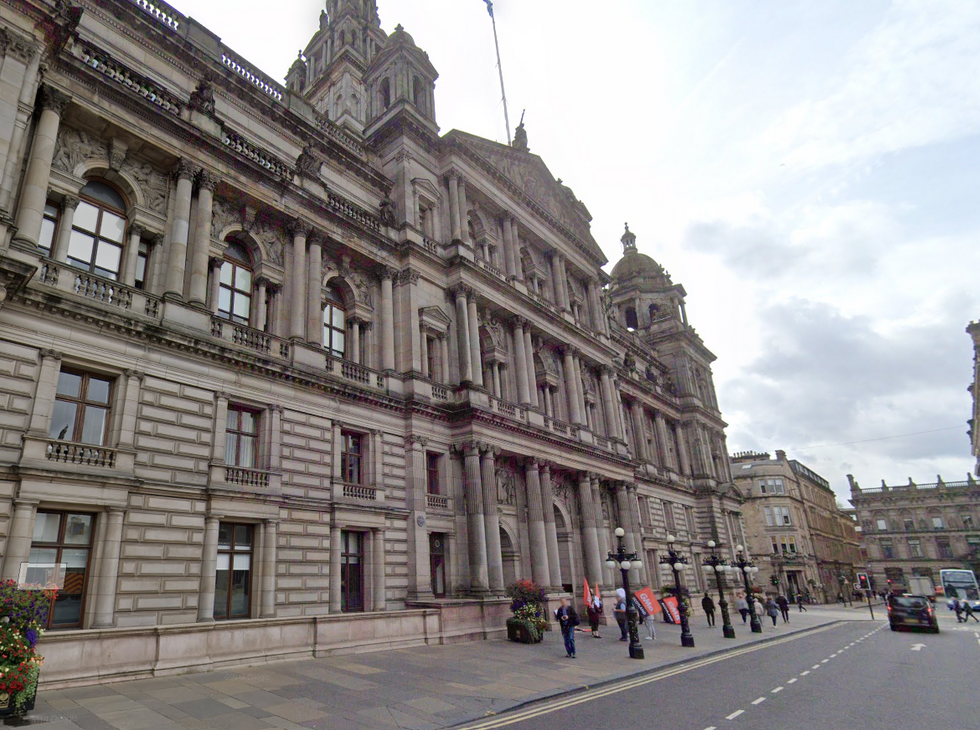
The Legacy of Slavery and Colonialism Trail will allow visitors and residents to take in sights such as the City Chambers, Merchant City, Trongate and the Gallery of Modern Art, informing them of how slavery shaped Glasgow.
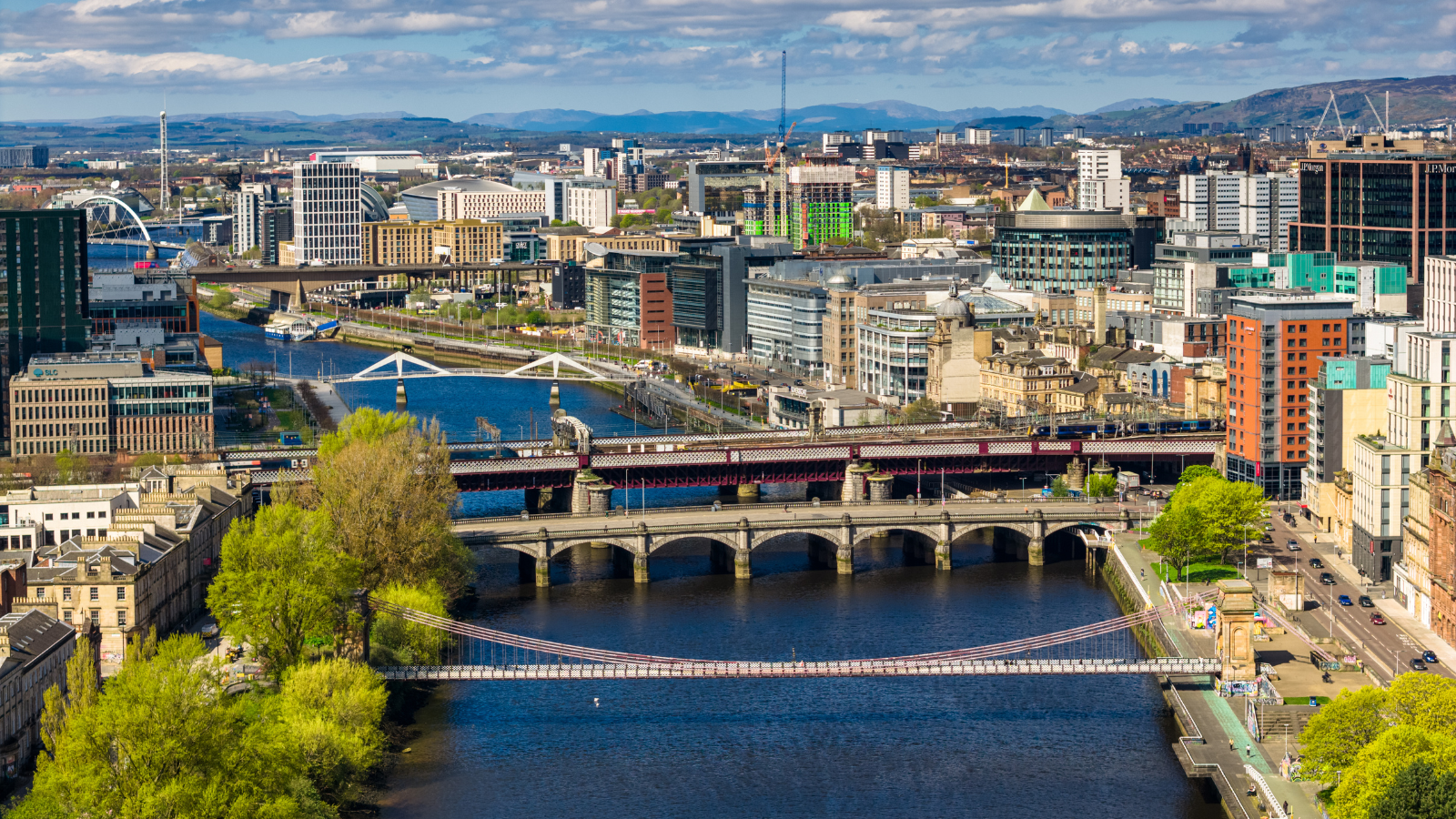
The Scottish city played a prominent role in the British Empire and is often referred to as its "second city".
But some Glaswegian merchants built their wealth during the 18th and 19th centuries through the cotton, tobacco and sugar trades, which have been linked to the use of slave labour.
TRENDINGStoriesVideosYour SayDozens of streets and landmarks in the city have been linked to slavery by activists, including the famous Buchanan Street.
There are also a number of monuments erected in Glasgow commemorating historic Glaswegians with ties to the trade which have sparked woke uproar before.
The city council says the new trail will show walkers how wealth amassed during this period helped pave for the way for Glasgow's economic boom and shaped its institutions.
Launching the walk, Glasgow City Council leader Susan Aitken described the city's history as "rich, complex and, at times, deeply uncomfortable".
She said: "Many of Glasgow's glories were built on a legacy of slavery and colonialism.
"The consequences of that legacy for the descendants of enslaved and colonised people continue to this day, whether right here in Glasgow or in other parts of the world.
"This trail encourages Glaswegians to look again at familiar streets, buildings and landmarks, to learn more about parts of Glasgow's history that were overlooked for too long and to gain a fuller picture of the people, industries and institutions that helped shape our city."
Just four years ago, the SNP councillor issued a formal apology on behalf of the city for its role in the slave trade in the wake of the rampant Black Lives Matter protests.
WOKE MADNESS - READ THE LATEST:
- Civil servants to be punished for 'misgendering' their colleagues
- Council staff ordered not to call people 'old'... because it might offend old people
- Historic pub accused of 'misogyny' as influencers complain of 'sickening' 200-year-old name
At the time, it was branded "ridiculous" and "virtue signalling" by Dr Stuart Waiton of Abertay University.
Ms Aitken acknowledged that although a number of the city's residents had rallied against slavery, there were a large number who were historically in favour of the practice.
She said: "The Glasgow we know today wouldn't exist without the labour of enslaved people and it's time to give them their proper place in our story."
Dr Stephen Mullen, a University of Glasgow history lecturer who specialises in the legacy of the Atlantic slave trade, has played a pivotal role in helping shape the new trail.
Despite its role, Glasgow was also a hub for anti-slavery activism - with the Glasgow Anti-Slavery Society founded in 1822.
Prominent abolitionist figures like Frederick Douglass visited to give lectures to large audiences to boost support for outlawing the practice.
The slave trade was abolished in Britain with the passing of the Slave Trade Act in 1807, and the practice outlawed throughout the empire with the Slavery Abolition Act of 1833.
At the time, Britain used 40 per cent of its entire national budget to buy freedom for all slaves in the Empire - with the final payment being made just 11 years ago.
Our Standards: The GB News Editorial Charter


→Glasgow City Council has launched a "slavery walking trail" to educate locals about the city's complicated history with slavery.
→The trail highlights key locations linked to Glasgow's economic growth through the slave trade, including notable streets and monuments.
ملاحظة تحريرية | Editorial Note: نُشر هذا المقال في الأصل بواسطة GB News. خبر (Khabr) هي منصة إعلامية أردنية مرخّصة تعمل بالذكاء الاصطناعي. نضيف قيمة تحريرية من خلال: تحليل ذكي للأخبار، ملخصات تلقائية، رواية صوتية بالذكاء الاصطناعي، ترجمة متعددة اللغات، وتدقيق الحقائق. هدفنا جعل الأخبار أكثر وضوحاً وسهولةً للقارئ العربي.
This article was originally published by GB News. Khabr is a licensed Jordanian AI-powered news platform (Registration #82086). We add editorial value through: AI-powered news analysis, automated summaries, AI audio narration, multi-language translation (Arabic, English, French, Turkish), and AI fact-checking. Our mission is to make news more accessible and understandable for Arabic-speaking audiences worldwide.