Will Philippines’ anti-disinformation bills empower state to ‘decide the truth’?
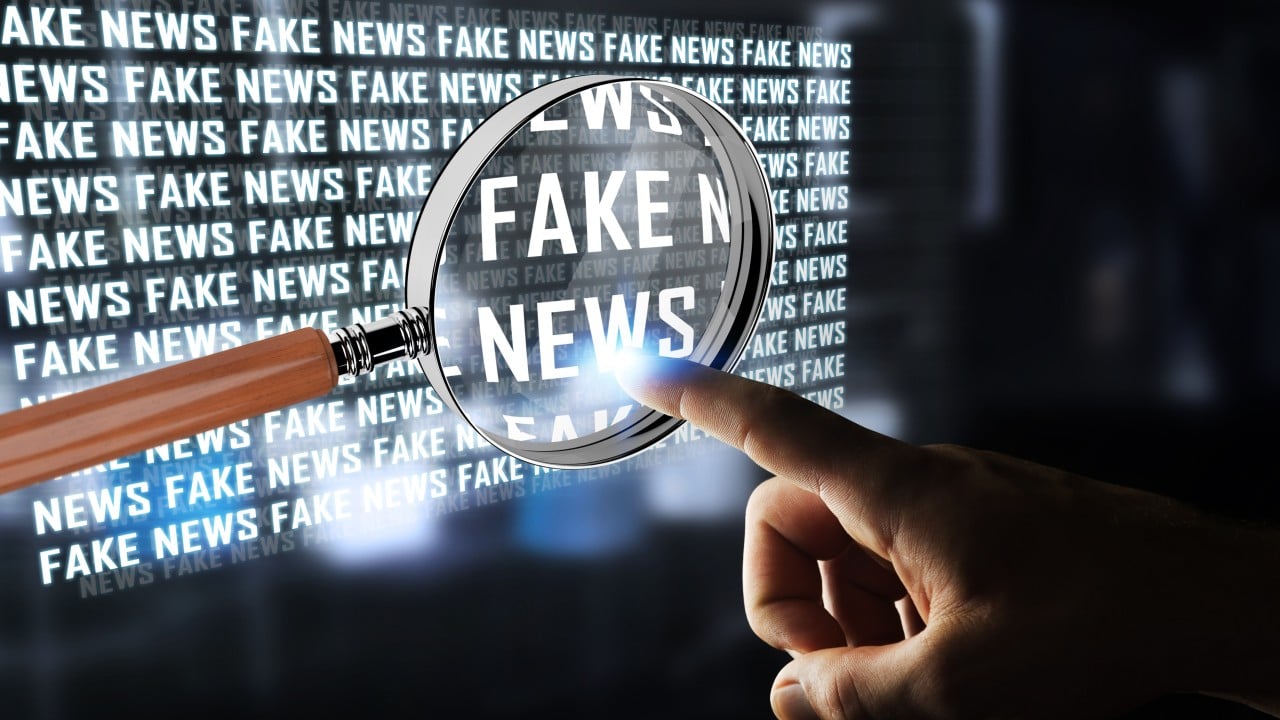
The Philippines is weighing a new anti-disinformation law, but digital rights advocates and researchers warn that the leading proposals could give the government sweeping powers while doing little to stop the networks that actually drive online influence campaigns. In February, President Ferdinand Marcos Jnr asked Congress to prioritise 21 measures before adjourning in June, including an anti-disinformation law that he said should be “balanced” – fighting fake news while maintaining freedom of...المصدر: South China Morning Post | Source: South China Morning Post
ملاحظة تحريرية | Editorial Note: نُشر هذا المقال في الأصل بواسطة South China Morning Post. خبر (Khabr) هي منصة إعلامية أردنية مرخّصة تعمل بالذكاء الاصطناعي. نضيف قيمة تحريرية من خلال: تحليل ذكي للأخبار، ملخصات تلقائية، رواية صوتية بالذكاء الاصطناعي، ترجمة متعددة اللغات، وتدقيق الحقائق. هدفنا جعل الأخبار أكثر وضوحاً وسهولةً للقارئ العربي.
This article was originally published by South China Morning Post. Khabr is a licensed Jordanian AI-powered news platform (Registration #82086). We add editorial value through: AI-powered news analysis, automated summaries, AI audio narration, multi-language translation (Arabic, English, French, Turkish), and AI fact-checking. Our mission is to make news more accessible and understandable for Arabic-speaking audiences worldwide.