Will F1 go back to the future with its engines?
•Will F1 go back to the future with its engines?Image source, Getty ImagesImage caption, V8 engines were last used in F1 in 2013ByAndrew BensonF1 CorrespondentPublished10 minutes ago2 CommentsFormula 1...
•These discussions are well under way.
•The other one is longer-term - what sort of engine should be introduced when the regulations change again in four or five years' time?Mohammed Ben Sulayem, the president of governing body the FIA, is...
هذا الخبر من BBC Sport. خبر يقدم أدوات ذكاء اصطناعي للتلخيص والترجمة والاستماع.
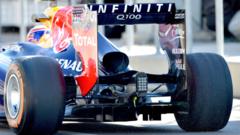
Will F1 go back to the future with its engines?Image source, Getty ImagesImage caption, V8 engines were last used in F1 in 2013ByAndrew BensonF1 CorrespondentPublished10 minutes ago2 CommentsFormula 1 is in the midst of two parallel sets of engine discussions, both important for the future of the sport.The more immediate one is to find a short and medium-term fix for some of the problems that have arisen with the new engines introduced this year.This one needs an answer within a couple of weeks or so if changes are to be made in time for next year. These discussions are well under way. The other one is longer-term - what sort of engine should be introduced when the regulations change again in four or five years' time?Mohammed Ben Sulayem, the president of governing body the FIA, is pushing the idea of a return to a naturally aspirated V8, with a token hybrid system - essentially the rules F1 last had in 2013.But why take what appears to be a step back to the past that still runs counter to the direction of road-car technology, even if the transition to electrification is taking longer than was expected a few years ago?The big pictureThere is widespread agreement across F1 that the sport has dropped the ball with the new set of engine regulations, even if no-one is quite saying it in public.There are positive aspects to the new style of racing and the increased number of overtaking manoeuvres, and the television viewing figures are positive - the first three races all showed significant audience increases.But it is accepted that the impact of the excessive need for energy management on the purity of the driving experience, especially in qualifying, needs to be addressed.On a philosophical level, this has changed what it means to be an F1 driver - and not in a way anyone who understands the sport thinks is positive.The fundamental problem is that the nominal 50-50 energy split between internal combustion and electrical power with the current engine architecture d...المصدر: BBC Sport | Source: BBC Sport
ملاحظة تحريرية | Editorial Note: نُشر هذا المقال في الأصل بواسطة BBC Sport. خبر (Khabr) هي منصة إعلامية أردنية مرخّصة تعمل بالذكاء الاصطناعي. نضيف قيمة تحريرية من خلال: تحليل ذكي للأخبار، ملخصات تلقائية، رواية صوتية بالذكاء الاصطناعي، ترجمة متعددة اللغات، وتدقيق الحقائق. هدفنا جعل الأخبار أكثر وضوحاً وسهولةً للقارئ العربي.
This article was originally published by BBC Sport. Khabr is a licensed Jordanian AI-powered news platform (Registration #82086). We add editorial value through: AI-powered news analysis, automated summaries, AI audio narration, multi-language translation (Arabic, English, French, Turkish), and AI fact-checking. Our mission is to make news more accessible and understandable for Arabic-speaking audiences worldwide.

