⚡ عاجل: كريستيانو رونالدو يُتوّج كأفضل لاعب كرة قدم في العالم●⚡ أخبار عاجلة تتابعونها لحظة بلحظة على خبر●⚡ تابعوا آخر المستجدات والأحداث من حول العالم●
AI اقتراحات ذكية
AI مباشر|--مشاهد مباشر
968,768مقال401مصدر نشط228قناة مباشرة4,425خبر اليوم
آخر تحديث:منذ 0 ثانية
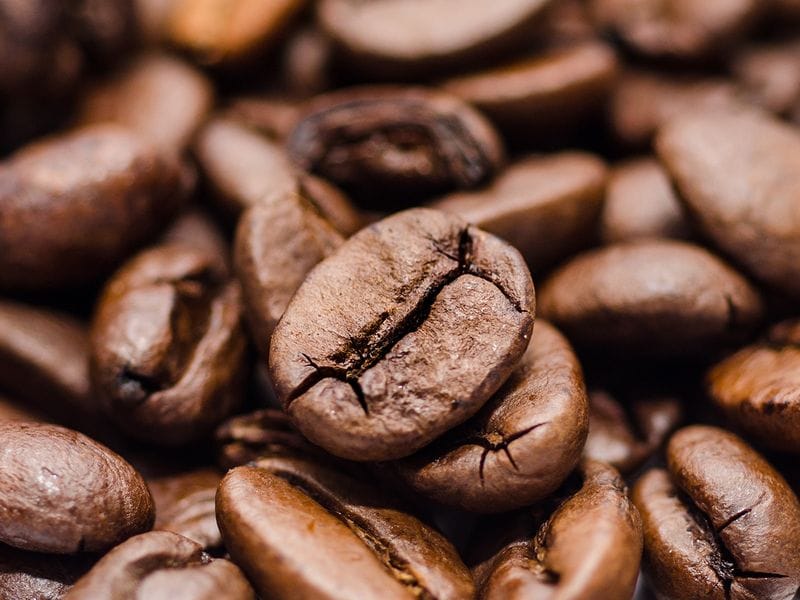
Why your Monday cup of coffee feels so powerful: The science behind it
•A coffee every day, but somehow, that Monday morning cup of Joe just hits different.
•Some enjoy making a thorough ritual out of her morning coffee at the beginning of the coffee: If you get it right, the whole day feels right too,On the first day of the week, there’s a little fun arou...
•There’s the hot cup of coffee, with a delicious aroma that awakens her properlyThe comfort ritual that grounds youHere's why this simple ritual might be the secret to lifting your Mondays out of miser...
هذا الخبر من Gulf News. خبر يقدم أدوات ذكاء اصطناعي للتلخيص والترجمة والاستماع.
A coffee every day, but somehow, that Monday morning cup of Joe just hits different. Some enjoy making a thorough ritual out of her morning coffee at the beginning of the coffee: If you get it right, the whole day feels right too,
On the first day of the week, there’s a little fun around preparing the coffee: The beans, the hot water, taking out the favourite mug, and two digestive biscuits on a plate. And finally, voila. There’s the hot cup of coffee, with a delicious aroma that awakens her properly
The comfort ritual that grounds you
Here's why this simple ritual might be the secret to lifting your Mondays out of misery. The first day of the week begins with chaos. There’s a lot happening—you’re running through to-do lists, frantically planning, getting the kids ready. In that swirl, a cup of coffee can become an anchor.
Unlike the rushed midweek gulp or the lazy weekend brew, Monday’s coffee feels ceremonial. And that is key. t’s a ritual that helps you feel in control. When Monday feels overwhelming, even the act of brewing coffee gives your brain a sense of predictability, which can calm a person.
That’s why so many people romanticise their Monday cup of joe. It’s not just the caffeine; it’s the pouring method, the frothy oat milk, even the slow walk to the café.
Be warned: That strong Monday cup be the kick you need, but it can also backfire if you drink it too fast or on an empty stomach.
Why the Monday coffee feels stronger: What science says
When you drink coffee, the caffeine blocks the brain chemical called adenosine, which is responsible for sleep. If you have had less coffee over the weekend, or slept in more, your brain might be in reset mode, making it more sensitive to adenosine again.
So on Monday, when you go back to your regular caffeine routine, it blocks that adenosine more powerfully. The result is that you feel more, awake and refreshed.
Research supports this too: A study published in Pharmacology Biochemistry and Behavior explains that regular caffeine intake leads to an increase in adenosine receptors, a process called upregulation. So when you skip caffeine for a bit, those extra receptors respond more dramatically the next time you drink it.
The catch: Why it can backfire
Be warned: That strong Monday cup be the kick you need, but it can also backfire if you drink it too fast or on an empty stomach.
When your body isn’t used to that full caffeine load, it may react with jitters, anxiety, or even a crash later in the day. That’s true if you’ve eased up on caffeine over the weekend and suddenly dive into a triple shot first thing on Monday.”
The magic and the science of coffee
Sometimes, it’s not just the caffeine; it’s your expectations doing the work too.
A 2011 study from the University of East London found that participants who believed they were drinking caffeinated coffee performed better on attention tests—even if they were actually given decaf. Their belief in the caffeine's presence enhanced their performance.
Another study published in Psychopharmacology demonstrated that participants who thought they consumed caffeine reported increased alertness and energy, even when they had only ingested decaf. This highlights how expectations can influence our perception of energy levels.
ملاحظة تحريرية | Editorial Note:
نُشر هذا المقال في الأصل بواسطة Gulf News.
خبر (Khabr) هي منصة إعلامية أردنية مرخّصة تعمل بالذكاء الاصطناعي.
نضيف قيمة تحريرية من خلال: تحليل ذكي للأخبار، ملخصات تلقائية، رواية صوتية بالذكاء الاصطناعي، ترجمة متعددة اللغات، وتدقيق الحقائق.
هدفنا جعل الأخبار أكثر وضوحاً وسهولةً للقارئ العربي.
This article was originally published by Gulf News.
Khabr is a licensed Jordanian AI-powered news platform (Registration #82086).
We add editorial value through: AI-powered news analysis, automated summaries, AI audio narration, multi-language translation (Arabic, English, French, Turkish), and AI fact-checking.
Our mission is to make news more accessible and understandable for Arabic-speaking audiences worldwide.
هذا الخبر ضمن تغطية خبر لقسم علوم.
نقدّم لك تحليلات ذكية وملخصات يومية لأهم الأخبار من مصادر موثوقة متعددة.
المصدر: Gulf News.
يوجد 6 مقالات مرتبطة بهذا الموضوع.
This article is part of Khabr's coverage of Science.
We provide AI-powered analysis, summaries, and multi-source aggregation to keep you informed.
Source: Gulf News.
Tags: coffee, science, Monday.
🍪 نستخدم ملفات تعريف الارتباط لتحسين تجربتك وعرض الإعلانات المخصصة. باستخدامك للموقع، فإنك توافق على سياسة ملفات تعريف الارتباط وسياسة الخصوصية.
We use cookies to enhance your experience and show personalized ads. By using this site, you agree to our Cookie Policy and Privacy Policy.
🔍
FREEFree 1GB Internet + Free International Calls
$1 trial — eSIM in 190+ countries — No roaming charges