⚡ عاجل: كريستيانو رونالدو يُتوّج كأفضل لاعب كرة قدم في العالم●⚡ أخبار عاجلة تتابعونها لحظة بلحظة على خبر●⚡ تابعوا آخر المستجدات والأحداث من حول العالم●
AI اقتراحات ذكية
AI مباشر|--مشاهد مباشر
1,076,807مقال401مصدر نشط228قناة مباشرة4,008خبر اليوم
•Dubai: Capital continues to flow into the UAE despite rising regional tensions, with investors leaning on policy stability, regulatory clarity and long-term economic planning when deciding where to de...
•"What stands out is the country’s policy consistency, institutional stability, and long-term economic vision.
•The UAE has built a highly diversified economy, reducing reliance on hydrocarbons while positioning itself as a global hub for finance and technology.”Get updated faster and for FREE: Download the Gul...
هذا الخبر من Gulf News. خبر يقدم أدوات ذكاء اصطناعي للتلخيص والترجمة والاستماع.
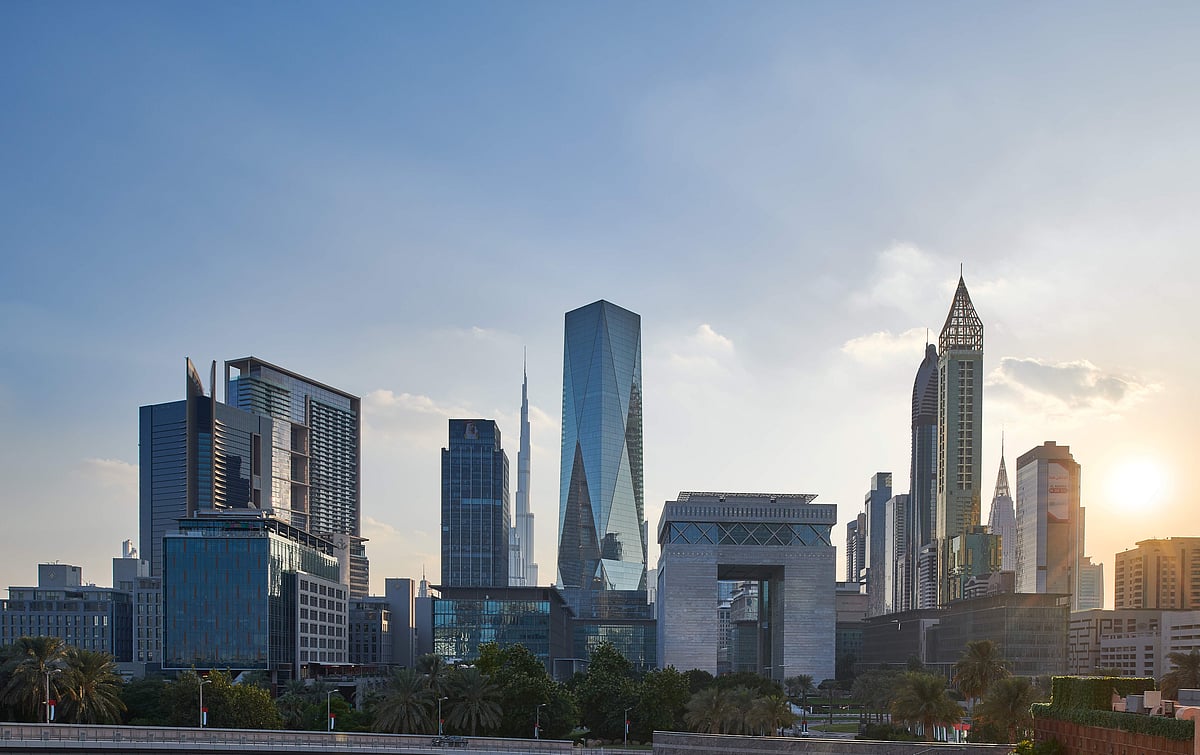
Dubai: Capital continues to flow into the UAE despite rising regional tensions, with investors leaning on policy stability, regulatory clarity and long-term economic planning when deciding where to deploy funds.
Sign up for our daily business newsletter, Cheques & Balances.
That confidence is visible across asset classes and investor profiles, with institutions, hedge funds, entrepreneurs and technology firms all expanding their presence in the country, even as geopolitical risks remain part of the backdrop.
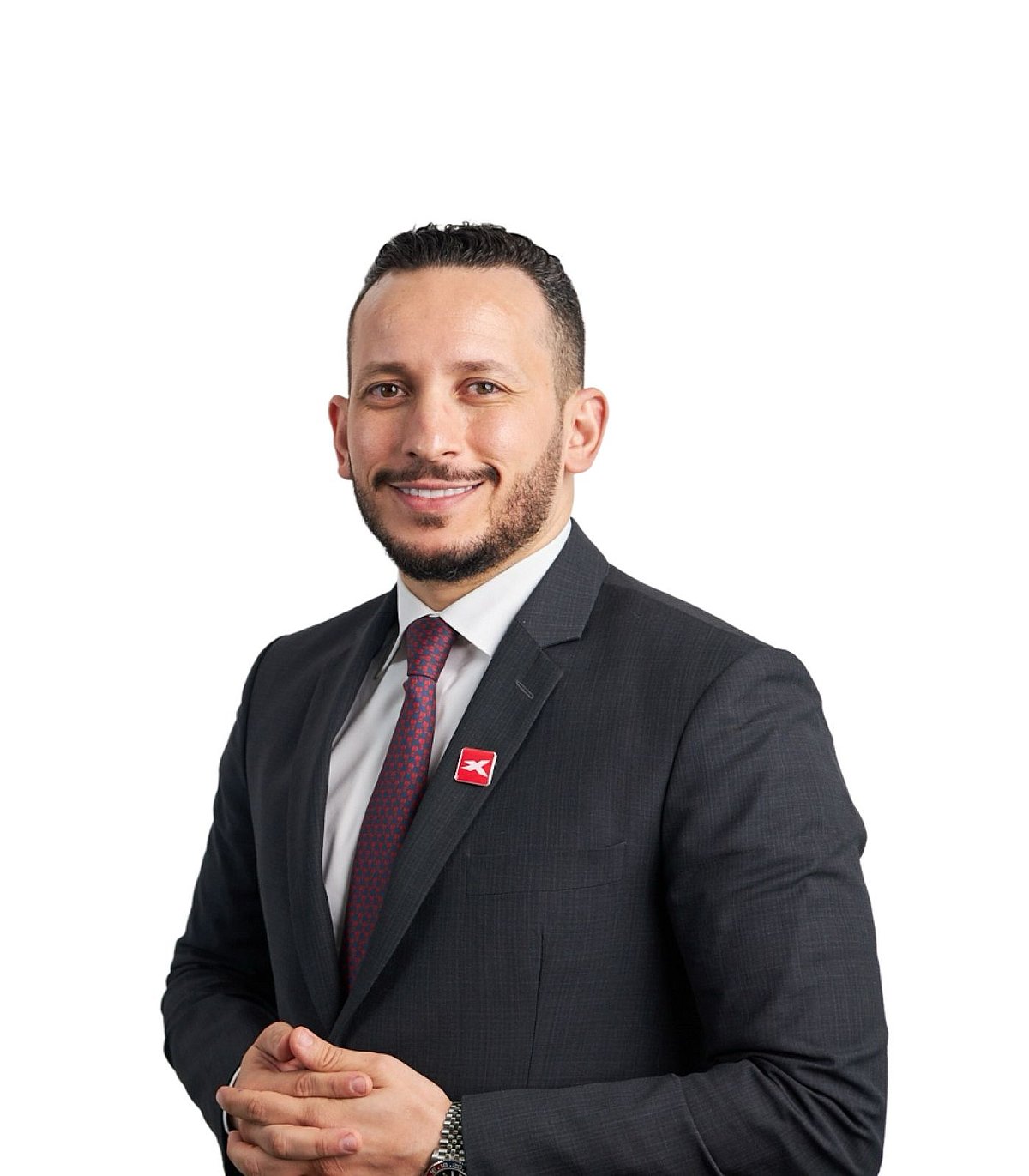
“Investors continue to view the UAE as an attractive destination in a complex geopolitical environment," said Achraf Drid, Managing Director, XTB MENA. "What stands out is the country’s policy consistency, institutional stability, and long-term economic vision. The UAE has built a highly diversified economy, reducing reliance on hydrocarbons while positioning itself as a global hub for finance and technology.”
Get updated faster and for FREE: Download the Gulf News app now - simply click here.
The appeal, he added, comes from the ability to operate within a system that combines regional access with global standards, supported by infrastructure and a regulatory environment that remains accessible to international capital.
A broader investor mix
The type of capital entering the UAE has widened in recent years, reflecting its position as a platform for both traditional finance and emerging sectors.
Drid said, “There is an increasingly broad mix of investors coming to the UAE, including institutional investors, hedge funds, and fintech-driven businesses, alongside technology firms and digital asset companies. There is also a growing presence of entrepreneurs and SMEs relocating from Europe and Asia, drawn by the UAE’s pro-business environment.”
This growing mix of participants points to a market that is attracting both scale capital and early-stage innovation, supported by access to funding, infrastructure and international connectivity.
Legal clarity supports relocation
Businesses relocating operations or capital into the UAE face an initial adjustment period, though the process remains structured and predictable when aligned correctly from the outset.
Drid said, “The UAE offers a streamlined and efficient setup process, but the initial challenges are typically technical. These include selecting the appropriate jurisdiction, understanding licensing requirements, and aligning with local regulatory frameworks.”
He added that compliance requirements are increasingly aligned with international standards, helping firms integrate more easily into the local system.
From a legal standpoint, early decisions around structure and licensing continue to shape long-term outcomes.
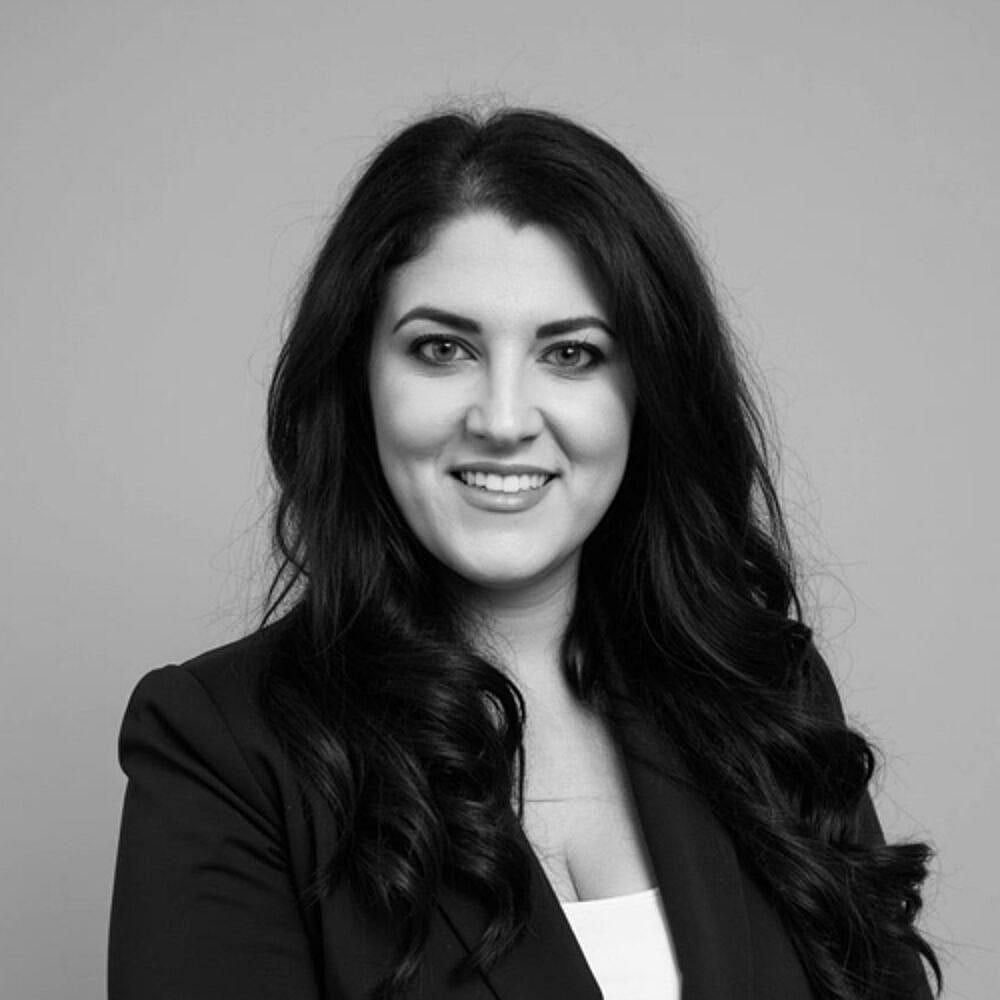
Andrea Stefani Melekki, Founder and Managing Partner at Stefani Legal Consultants, said that companies often misstep when choosing between mainland and free zone structures without fully aligning with their operational needs.
“Setting up or relocating to the UAE can offer significant commercial advantages, but it also requires careful legal and regulatory planning,” she said, adding that errors around licensing, ownership rules and compliance can lead to costly restructuring later.
Wealth planning gains traction
The legal landscape is also evolving to support long-term capital and family wealth planning, with more expatriates taking steps to formalise succession and asset structures.
Melekki said, “Expatriates are responding to an ever forgiving and thoughtful legal system that is now more predictable and enforceable under the new Federal Decree-Law No. 41 of 2022.”
The introduction of clearer inheritance frameworks, alongside established routes through financial centres such as DIFC and ADGM, is prompting families to move from informal arrangements to structured planning.
At the same time, family offices and foundations are becoming more widely used, allowing investors to manage assets, governance and succession within a single framework.
“The UAE is now best understood as a multi-track succession jurisdiction,” she said, pointing to a system that allows different legal routes depending on investor needs.
Managing risk in a volatile region
Regulators have strengthened oversight in areas such as compliance, sanctions exposure and financial transparency, helping maintain confidence in cross-border activity.
Drid said, “UAE regulators have taken significant steps to strengthen oversight and align with global best practices. There has been a clear focus on enhancing AML and CFT frameworks, improving financial transparency, and ensuring robust monitoring of cross-border transactions.”
At the same time, businesses are being advised to strengthen internal safeguards in response to geopolitical risk.
Melekki said organisations should ensure that business continuity plans are in place and actively tested, with clear protocols around decision-making, employee safety and operational resilience.
She also pointed to the need for strong contractual protections and compliance systems to manage exposure during periods of disruption.
“Businesses shall activate those mechanisms provided in their contracts and ensure that those are protected by force majeure clauses, termination rights and obligations,” she said.
The combination of regulatory clarity, legal infrastructure and institutional stability continues to draw capital into the UAE, even in a volatile environment.
ملاحظة تحريرية | Editorial Note:
نُشر هذا المقال في الأصل بواسطة Gulf News.
خبر (Khabr) هي منصة إعلامية أردنية مرخّصة تعمل بالذكاء الاصطناعي.
نضيف قيمة تحريرية من خلال: تحليل ذكي للأخبار، ملخصات تلقائية، رواية صوتية بالذكاء الاصطناعي، ترجمة متعددة اللغات، وتدقيق الحقائق.
هدفنا جعل الأخبار أكثر وضوحاً وسهولةً للقارئ العربي.
This article was originally published by Gulf News.
Khabr is a licensed Jordanian AI-powered news platform (Registration #82086).
We add editorial value through: AI-powered news analysis, automated summaries, AI audio narration, multi-language translation (Arabic, English, French, Turkish), and AI fact-checking.
Our mission is to make news more accessible and understandable for Arabic-speaking audiences worldwide.
هذا الخبر ضمن تغطية خبر لقسم اقتصاد.
نقدّم لك تحليلات ذكية وملخصات يومية لأهم الأخبار من مصادر موثوقة متعددة.
المصدر: Gulf News.
يوجد 6 مقالات مرتبطة بهذا الموضوع.
This article is part of Khabr's coverage of Economy.
We provide AI-powered analysis, summaries, and multi-source aggregation to keep you informed.
Source: Gulf News.
Tags: investors, UAE, regional tensions.
🍪 نستخدم ملفات تعريف الارتباط لتحسين تجربتك وعرض الإعلانات المخصصة. باستخدامك للموقع، فإنك توافق على سياسة ملفات تعريف الارتباط وسياسة الخصوصية.
We use cookies to enhance your experience and show personalized ads. By using this site, you agree to our Cookie Policy and Privacy Policy.
🔍
FREEFree 1GB Internet + Free International Calls
$1 trial — eSIM in 190+ countries — No roaming charges