Why ICC still has jurisdiction over Duterte despite Philippines’ exit
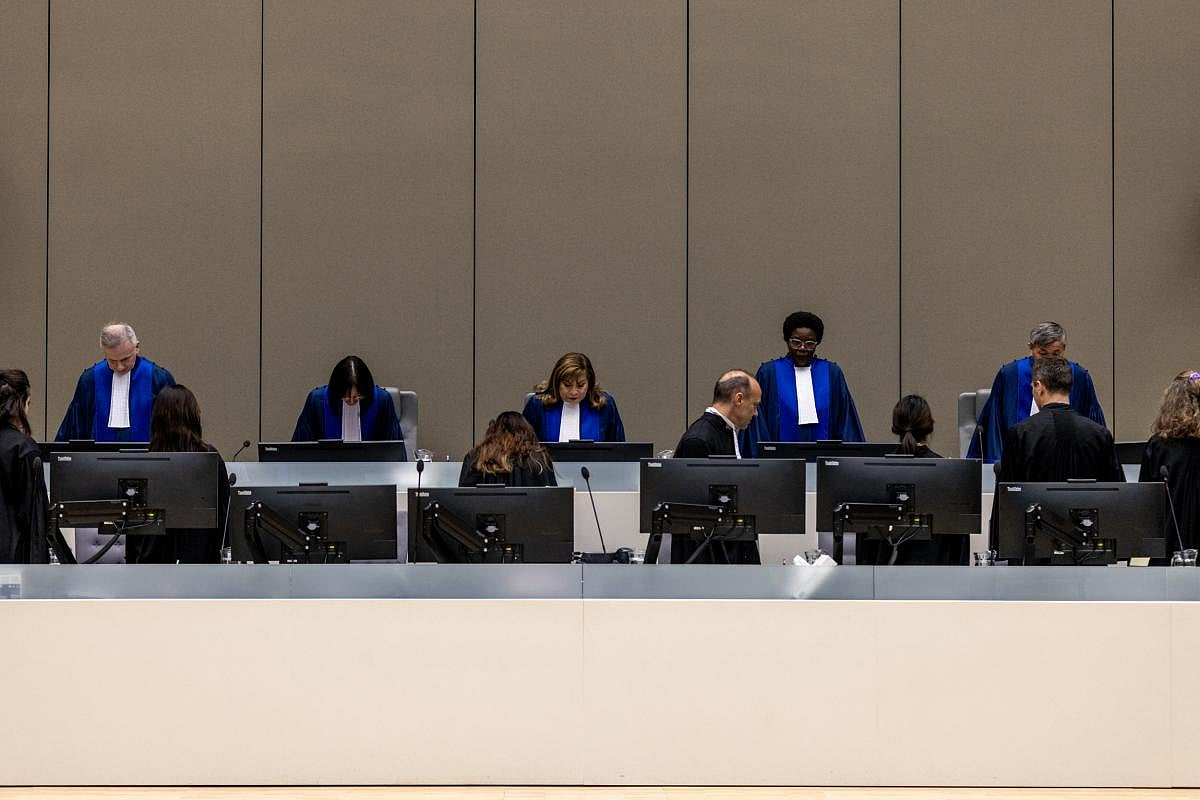
المصدر: Gulf News | Source: Gulf NewsDubai: The Appeals Chamber of the International Criminal Court (ICC) has confirmed that it retains jurisdiction in the case against former Philippine president Rodrigo Duterte, despite the country’s withdrawal from the court’s founding treaty.
In its ruling on April 22, the chamber has rejected in full the appeal filed by Duterte’s defence team and upheld an earlier decision issued in October last year.
Judges have noted that the Rome Statute must be interpreted in a way that supports its central aim, ending impunity for the most serious international crimes.
"It ruled that it would be incompatible with this object and purpose to enable a state party to evade its responsibilities under the statute by depositing a written notice of withdrawal once it discovers that alleged crimes committed on its territory or by its nationals are being examined by the prosecution," said the ICC.
At the same time, it has stressed that a state’s right to withdraw remains valid, but does not cancel obligations linked to the period when it was still a member.
"The Appeals Chamber’s interpretation ensures an appropriate balance between the ability of states to effectively withdraw from the statute and the responsibilities that states accept upon ratification of the statute, whilst providing a clear timeline within which a preliminary examination must be pursued."
Get updated faster and for FREE: Download the Gulf News app now - simply click here.What Philippines’ withdrawal means legally
The ruling has confirmed that the ICC has jurisdiction over alleged crimes committed in the Philippines from November 1, 2011 to March 16, 2019, when the country was a state party to the Rome Statute.
Although the Philippines has formally exited the ICC on March 17, 2019, the court has bared that its authority continues for acts that took place before that date.
What the case against Duterte involves
Duterte has been suspected of crimes against humanity, including murder and attempted murder, allegedly committed as part of a “widespread and systematic” campaign linked to his administration’s “war on drugs.”
Prosecutors have argued that these acts targeted civilians over several years. A warrant for his arrest has been issued in March last year, followed by his transfer to ICC custody. He has then denied the allegations.
What happens next
Following a confirmation of charges hearing held last February, the case has moved closer to a possible trial stage.
With jurisdiction established, judges will next assess whether there is sufficient evidence for the case to proceed.
ملاحظة تحريرية | Editorial Note: نُشر هذا المقال في الأصل بواسطة Gulf News. خبر (Khabr) هي منصة إعلامية أردنية مرخّصة تعمل بالذكاء الاصطناعي. نضيف قيمة تحريرية من خلال: تحليل ذكي للأخبار، ملخصات تلقائية، رواية صوتية بالذكاء الاصطناعي، ترجمة متعددة اللغات، وتدقيق الحقائق. هدفنا جعل الأخبار أكثر وضوحاً وسهولةً للقارئ العربي.
This article was originally published by Gulf News. Khabr is a licensed Jordanian AI-powered news platform (Registration #82086). We add editorial value through: AI-powered news analysis, automated summaries, AI audio narration, multi-language translation (Arabic, English, French, Turkish), and AI fact-checking. Our mission is to make news more accessible and understandable for Arabic-speaking audiences worldwide.