
The world’s leading financial centres are not built on capital alone. They are built on the constant exchange of ideas—on people from different systems learning how to think, decide, and operate together. That is where the GCC’s real edge is emerging. Not just in its wealth or infrastructure, but in its cultural fusion.
You can see it in how business actually gets done across the Gulf today.
Get updated faster and for FREE: Download the Gulf News app now - simply click here.
In Dubai, Abu Dhabi, Riyadh and Doha, it is increasingly common to find investment discussions shaped by Asian growth instincts, European regulatory discipline, and Middle Eastern relationship-driven decision-making—all in the same room. This is not diversity as a talking point. It is diversity embedded in judgment.
And it is changing outcomes.
Decisions are becoming more globally calibrated. Risk is being assessed through multiple lenses. Opportunities are being understood not just in isolation, but in how they connect across markets. The result is a style of financial thinking that feels less siloed and more aligned with how capital now moves in the real world.
That matters because capital itself is no longer local.
Across conversations with investors and families, a clear pattern is emerging. Asian capital is looking at the GCC as a strategic base for long-term deployment. European institutions increasingly value its stability and connectivity. Regional wealth is also evolving—more outward-looking, but still anchored in local context. What is different now is that these flows are not just passing through the region. They are meeting here, interacting, and being shaped here.
That interaction is where value is created.
A financial hub earns relevance by connecting systems—by making it easier for capital, ideas, and people to move with clarity and trust. The GCC has obvious structural advantages: geography, infrastructure, and a regulatory environment that is becoming more open and globally aligned. But those advantages are only as strong as the people operating within them.
What stands out today is the growing ease with which professionals from very different backgrounds are working together. There is less friction, more alignment, and a clearer shared language of business. That is not accidental—it is the result of sustained exposure to different markets and ways of thinking.
There is also a noticeable shift in perception.
The Gulf is no longer seen purely as a destination for capital. Increasingly, it is being recognised as a place where capital is understood—where it can be structured, managed, and deployed with sophistication. That shift is being driven as much by the people in the system as by the system itself.
For high-net-worth families and global businesses, this is highly relevant. Managing wealth today means navigating complexity—across jurisdictions, generations, and operating environments. It requires financial centres that can think globally but execute with context. The GCC is starting to demonstrate that capability in a very real way.
The next generation of financial hubs will not be defined by size alone. They will be defined by how well they connect ideas, adapt to change, and make sense of complexity.
From what we are seeing on the ground, the GCC is building that capability—quietly, but with increasing conviction.
Its cultural fusion is not a backdrop to this story. It is the driver of it.
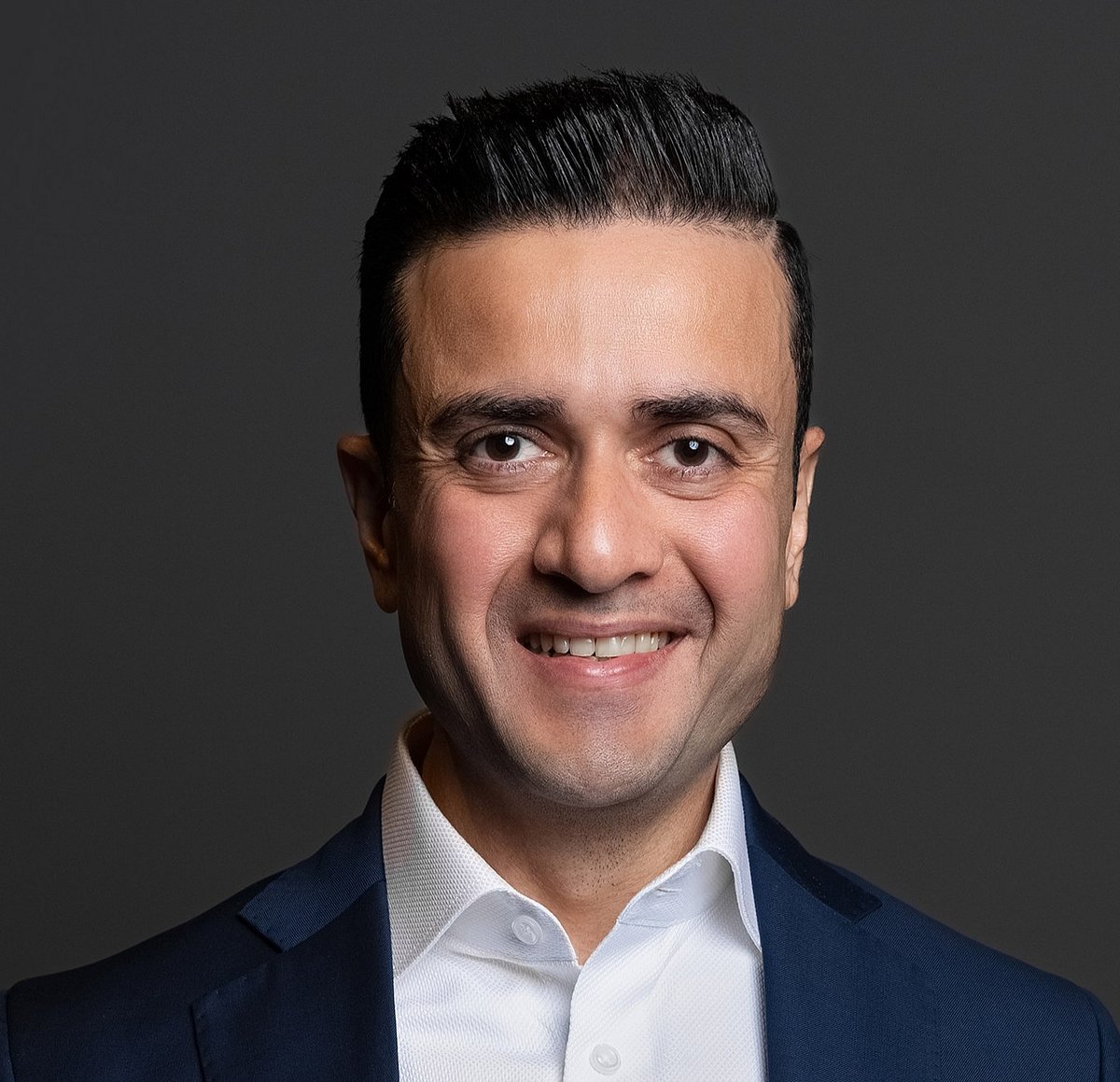
The writer is CEO EMEA at Klay Capital

