⚡ عاجل: كريستيانو رونالدو يُتوّج كأفضل لاعب كرة قدم في العالم●⚡ أخبار عاجلة تتابعونها لحظة بلحظة على خبر●⚡ تابعوا آخر المستجدات والأحداث من حول العالم●
AI اقتراحات ذكية
AI مباشر|--مشاهد مباشر
1,066,823مقال401مصدر نشط228قناة مباشرة3,279خبر اليوم
آخر تحديث:منذ ثانيتين
White storks: why introducing non-native species in rewilding projects can be a good idea
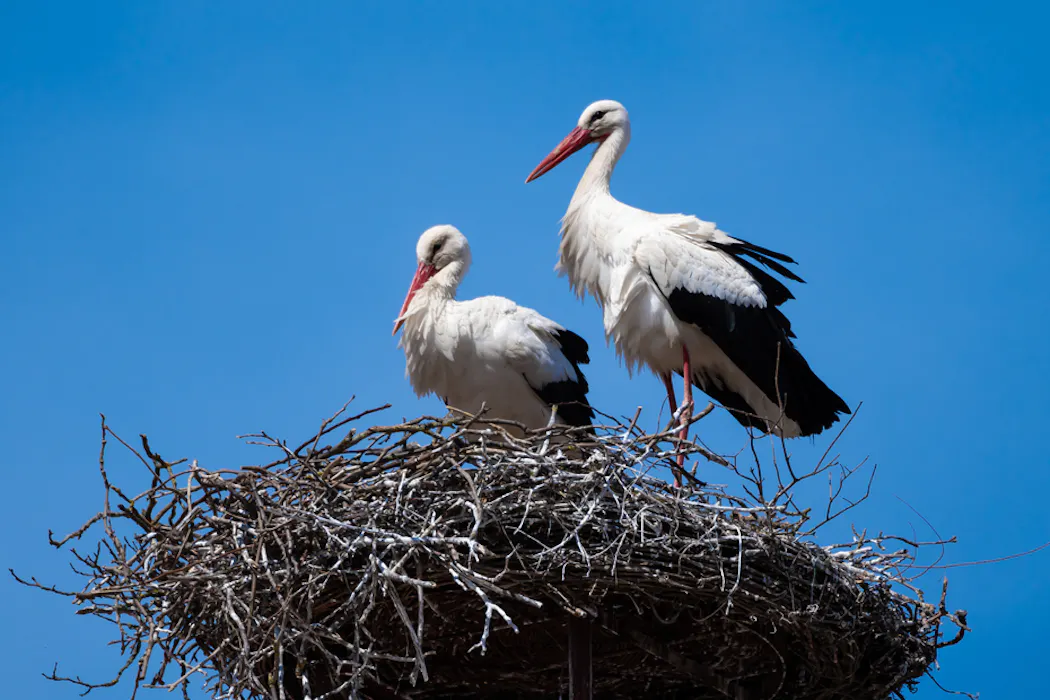
•grafxart/ShutterstockWhite storks (Ciconia ciconia) are a majestic bird with a two-metre wingspan and an enormous circular nest.
•The recent release of these stunning birds at multiple sites in England, with more releases planned and a public consultation under way has kicked off a debate about whether non-native birds should be...
هذا الخبر من ذا كونفرسيشن. خبر يقدم أدوات ذكاء اصطناعي للتلخيص والترجمة والاستماع.
White storks (Ciconia ciconia) are a majestic bird with a two-metre wingspan and an enormous circular nest.
The recent release of these stunning birds at multiple sites in England, with more releases planned and a public consultation under way has kicked off a debate about whether non-native birds should be part of rewilding projects.
The government advising body Natural England says it does not consider white storks to be native birds. But some experts disagree and say it is a native species and was hunted into extinction in the 1400s.
What is a native species?
In the UK, native species are those which have been present throughout the last 12,000 years. This includes migratory species which breed in or visit the UK. It also includes species which have been eradicated by humans but reintroduced.
In England, a license is needed to introduce any species which is not ordinarily resident, or a regular visitor, to England. This is partly because these species could become invasive, a term used when a species cause substantial environmental or socioeconomic harm.
But even when species are not native, they can have value for rewilding projects.
The white stork’s biggest contribution to rewilding is likely to be their ability to inspire the public interest in nature. Storks in Europe are so popular that there are special stork villages which are managed for tourism, and people can see these iconic species up close.
White storks were reintroduced in Sussex as part of a rewilding project and are now breeding.
White storks are definitely regular visitors to England, and rare but present in the subfossil record (the last 4000 years). This status as a regular visitor means they fall somewhere between a native and non-native species – they are not considered a priority for introduction, but no license is required for their release.
Introduced non-native species can cause problems. A good example is Japanese knotweed (Reynoutria japonica), brought to the UK by the Victorians as an ornamental plant. It rapidly spreads and causes damage to the structure of buildings and essential services such as water and drainage pipes. Controlling it now costs the UK £247 million each year.
Introduced species are also a major conservation challenge, such as the damage to seabird populations by invasive cats, rats and other animals feeding on their eggs and chicks. If a rewilding project introduces a non-native species, it could become invasive and cause serious disruption to native species already in the landscape.
But evaluating the impact of adding new species to the landscape is important even when a species is considered native. The Scottish beaver trial was conducted to evaluate the impact of introducing beavers (Castor fiber) from Norway in 2008. Eighteen years later, beavers are a key part of many rewilding projects, from London to large estates in Scotland.
What can white storks add?
White storks are charismatic species which are viewed positively by most people, and this could increase engagement with nature. In Poland, tourists travel hundreds of kilometers to visit white storks, making them valuable for rewilding projects which use tourism to raise funds.
Non-native species are also introduced as “ecological analogues” which means they provide the same ecological function as extinct species. The steppe bison (Bison priscus) which roamed the UK in the Pleistocene period were mixed feeders, which means they ate a combination of grasses, leaves and the woody parts of plants. By feeding on a variety of plants and plant parts, mixed feeders like bison can encourage a patchwork of habitats in a landscape. The native steppe bison is extinct in the UK, but projects like Kent Wildlife Trust’s Wilder Blean project have introduced the related, but non-native, European bison (Bison bonasus) to provide these functions.
Adapting to warming climate
Better adaptation to future climates is another reason to include non-native species in rewilding projects. As the UK’s climate changes, species are moving from places where they are considered native to new areas which suit them better. The southern small white butterfly (Pieris mannii) has spread northwards in Europe and was first seen in the UK in 2025. This small butterfly has successfully made the journey over the ocean, but other species may require human help to move to new areas with more suitable climates.
As an island nation with many locally extinct species, the introduction of species has formed a key part of UK conservation, including rewilding projects. It does matter whether a species is native or not. Although both could benefit rewilding projects, non-native species carry greater risks to local environments and have higher regulatory requirements.
The white stork’s status as a regular visitor could allow them to sidestep the regulatory requirements for non-native species, though impact on the environment should also be considered.
But as their nests can attract birds such as swallows and martins, introducing white storks could have broader benefits to the landscape.
Sarah Papworth does not work for, consult, own shares in or receive funding from any company or organisation that would benefit from this article, and has disclosed no relevant affiliations beyond their academic appointment.
ملاحظة تحريرية | Editorial Note:
نُشر هذا المقال في الأصل بواسطة ذا كونفرسيشن.
خبر (Khabr) هي منصة إعلامية أردنية مرخّصة تعمل بالذكاء الاصطناعي.
نضيف قيمة تحريرية من خلال: تحليل ذكي للأخبار، ملخصات تلقائية، رواية صوتية بالذكاء الاصطناعي، ترجمة متعددة اللغات، وتدقيق الحقائق.
هدفنا جعل الأخبار أكثر وضوحاً وسهولةً للقارئ العربي.
This article was originally published by ذا كونفرسيشن.
Khabr is a licensed Jordanian AI-powered news platform (Registration #82086).
We add editorial value through: AI-powered news analysis, automated summaries, AI audio narration, multi-language translation (Arabic, English, French, Turkish), and AI fact-checking.
Our mission is to make news more accessible and understandable for Arabic-speaking audiences worldwide.
هذا الخبر ضمن تغطية خبر لقسم علوم.
نقدّم لك تحليلات ذكية وملخصات يومية لأهم الأخبار من مصادر موثوقة متعددة.
المصدر: ذا كونفرسيشن.
يوجد 6 مقالات مرتبطة بهذا الموضوع.
This article is part of Khabr's coverage of Science.
We provide AI-powered analysis, summaries, and multi-source aggregation to keep you informed.
Source: ذا كونفرسيشن.
🍪 نستخدم ملفات تعريف الارتباط لتحسين تجربتك وعرض الإعلانات المخصصة. باستخدامك للموقع، فإنك توافق على سياسة ملفات تعريف الارتباط وسياسة الخصوصية.
We use cookies to enhance your experience and show personalized ads. By using this site, you agree to our Cookie Policy and Privacy Policy.
🔍
FREEFree 1GB Internet + Free International Calls
$1 trial — eSIM in 190+ countries — No roaming charges