Where will the rupee go from here?
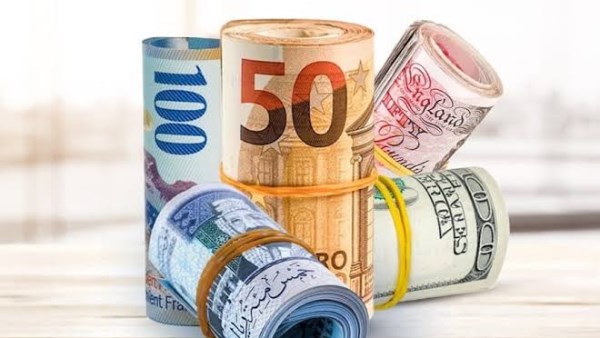
The rupee has been extremely volatile ever since the conflict in West Asia got underway. The annualised average daily volatility was 8.4 per cent in the last 28 trading sessions as against 5.2 per cent in the sessions prior. After crossing the 95 level against the dollar, the currency has now been in the range of 92.50-93.50. Clearly, the RBI has faced a challenging situation. Aside from the usual demand-supply forces that are at work, there is also speculative activity to contend with in the markets. When the currency falls, there may also be a tendency by exporters to hold back their earnings while importers may rush in to buy dollars, thereby exacerbating the demand-supply balance. Then there is also the value of the dollar — a stronger dollar makes currencies weak and vice versa. All these factors affect the rupee at different points of time. The RBI plays a vital part in smoothening out the volatility. It undertakes spot sales and also takes positions in the forwards market. Its interventions send a message to market participants. In addition to these, there are also regulatory changes. Recently, it capped the net open position of banks in the onshore market at $100 million. This meant that banks had to unwind their currency positions. The central bank has also reportedly opened a window for oil marketing companies to purchase dollars, thereby depressing demand in the open market. All this has helped reduce the volatility in the market. So now where can we expect the rupee to move? It is difficult to say as there is little clarity over the conflict in West Asia. Any news of escalation pushes up the cost of crude oil and puts pressure on the rupee, while signs of a truce work the other way. Therefore, volatility is likely to remain. The last couple of weeks have seen the dollar become weaker — the dollar index is now less than 100. Normally, higher interest rates in the US are signs of a stronger dollar. But at present, one does not know if the rates will remain high. Demand for oil also remains stable. The price we are paying is still around 10 per cent higher than Brent. Hence, there will be continued demand for dollars. Another commodity, gold, is now more in a bearish phase. Export growth will continue to be impacted by the situation in West Asia. This can put pressure on the trade balance. Foreign capital flows will be critical. FPI flows have been largely negative since the war began, with a withdrawal of around $17 billion over the last month-and-a-half. While the worst of the war may well be behind us, the environment remains volatile, influencing investor decisions. Net FDI flows, too, remain subdued. In such a situation, the rupee is likely to stay range-bound in the short run, between 92 and 94 against the dollar. But a major disruption could push it towards the 95 level. Sabnavis is chief economist, Bank of Baroda and author of Corporate Quirks: The Darker Side of the Sun. Views are personalالمصدر: Indian Express | Source: Indian Express
ملاحظة تحريرية | Editorial Note: نُشر هذا المقال في الأصل بواسطة Indian Express. خبر (Khabr) هي منصة إعلامية أردنية مرخّصة تعمل بالذكاء الاصطناعي. نضيف قيمة تحريرية من خلال: تحليل ذكي للأخبار، ملخصات تلقائية، رواية صوتية بالذكاء الاصطناعي، ترجمة متعددة اللغات، وتدقيق الحقائق. هدفنا جعل الأخبار أكثر وضوحاً وسهولةً للقارئ العربي.
This article was originally published by Indian Express. Khabr is a licensed Jordanian AI-powered news platform (Registration #82086). We add editorial value through: AI-powered news analysis, automated summaries, AI audio narration, multi-language translation (Arabic, English, French, Turkish), and AI fact-checking. Our mission is to make news more accessible and understandable for Arabic-speaking audiences worldwide.