What people in power think the impact of the Iran war will be
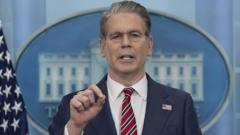
What people in power think the impact of the Iran war will beJust nowShareSaveAdd as preferred on GoogleFaisal IslamEconomics editorGetty ImagesThe two centres of this crisis are the 24-mile Strait of Hormuz south of Iran and 7,000 miles away in the White House. This week was the unique opportunity for the rest of the world to make its economic case to US President Donald Trump's administration directly at the Spring meeting of the International Monetary Fund (IMF) and World Bank – taking place in Washington DC just down the road from the White House.The sense I got speaking to the majority of G7 finance ministers, some central bankers, and some of the world's top financiers was unhappiness about the rest of the world picking up the inadvertent but predictable costs of the US's decision to go to war.It was the Chancellor Rachel Reeves who was especially vocal on the "folly" and "mistake" of war "which is not ours".The meetings of finance ministers such as the G20 breakfast were sombre affairs. According to participants, the United States was the only voice in the room projecting short-term confidence. Asian financiers in particular displayed clear worry "about real shortages of energy," according to those in the room. Shortly after multiple concerns were expressed around the breakfast table, US Treasury Secretary Scott Bessent popped up on US financial TV to say there was nothing to worry about. Markets and the economy would recover fast, he said.'Slower moving shock'However, the Canadian finance minister François-Philippe Champagne, who was present at all the key meetings and has been at the sharp end of dealing with Trump's tariff war, had a different take."Geography doesn't change. People don't change that much either, so that is going to be a risk in terms of world energy that we'll have to manage for years to come, even when the conflict is over," he said.Kristalina G...المصدر: BBC News | Source: BBC News
ملاحظة تحريرية | Editorial Note: نُشر هذا المقال في الأصل بواسطة BBC News. خبر (Khabr) هي منصة إعلامية أردنية مرخّصة تعمل بالذكاء الاصطناعي. نضيف قيمة تحريرية من خلال: تحليل ذكي للأخبار، ملخصات تلقائية، رواية صوتية بالذكاء الاصطناعي، ترجمة متعددة اللغات، وتدقيق الحقائق. هدفنا جعل الأخبار أكثر وضوحاً وسهولةً للقارئ العربي.
This article was originally published by BBC News. Khabr is a licensed Jordanian AI-powered news platform (Registration #82086). We add editorial value through: AI-powered news analysis, automated summaries, AI audio narration, multi-language translation (Arabic, English, French, Turkish), and AI fact-checking. Our mission is to make news more accessible and understandable for Arabic-speaking audiences worldwide.