What next for Upton Heath after charity buys land?
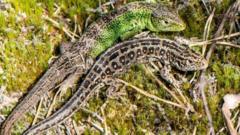
•What next for Upton Heath after charity buys land?Just nowShareSaveAdd as preferred on GoogleRos TappendenSouth of EnglandDorset Wildlife TrustUpton Heath is home to all six native reptiles, including...
•"If it's left, it tends to scrub over, the heather becomes long and not good for wildlife, sandy patches will scrub over."It's also important to manage fire breaks to prevent the spread of wildfires a...
هذا الخبر من BBC Science. خبر يقدم أدوات ذكاء اصطناعي للتلخيص والترجمة والاستماع.
ملاحظة تحريرية | Editorial Note: نُشر هذا المقال في الأصل بواسطة BBC Science. خبر (Khabr) هي منصة إعلامية أردنية مرخّصة تعمل بالذكاء الاصطناعي. نضيف قيمة تحريرية من خلال: تحليل ذكي للأخبار، ملخصات تلقائية، رواية صوتية بالذكاء الاصطناعي، ترجمة متعددة اللغات، وتدقيق الحقائق. هدفنا جعل الأخبار أكثر وضوحاً وسهولةً للقارئ العربي.
This article was originally published by BBC Science. Khabr is a licensed Jordanian AI-powered news platform (Registration #82086). We add editorial value through: AI-powered news analysis, automated summaries, AI audio narration, multi-language translation (Arabic, English, French, Turkish), and AI fact-checking. Our mission is to make news more accessible and understandable for Arabic-speaking audiences worldwide.