📱حمّل تطبيق خبر الآن!— تابع الأخبار لحظة بلحظة
App Store
...|🕐--:--
------
عاجل
⚡ عاجل: كريستيانو رونالدو يُتوّج كأفضل لاعب كرة قدم في العالم●⚡ أخبار عاجلة تتابعونها لحظة بلحظة على خبر●⚡ تابعوا آخر المستجدات والأحداث من حول العالم●
AI اقتراحات ذكية
AI مباشر|--مشاهد مباشر
1,081,565مقال401مصدر نشط228قناة مباشرة4,019خبر اليوم
آخر تحديث:منذ ثانية
What is 'meno-divorce'? UAE doctors warn of menopause misunderstanding
•When a woman in her 30s and 40s starts to feel irritable, withdrawn, or emotionally distant, her partner rarely attributes this to the hormonal imbalance related to menopause.
•But experts say that failure of understanding one of the most common issues women face is quietly straining marriages across the region.The phenomenon, increasingly referred to as “meno-divorce,” desc...
•In polls conducted across Facebook and Instagram, MEMO found that around 82 per cent of women said perimenopause or menopause had affected their relationship in some way.
هذا الخبر من Khaleej Times. خبر يقدم أدوات ذكاء اصطناعي للتلخيص والترجمة والاستماع.
When a woman in her 30s and 40s starts to feel irritable, withdrawn, or emotionally distant, her partner rarely attributes this to the hormonal imbalance related to menopause. But experts say that failure of understanding one of the most common issues women face is quietly straining marriages across the region.
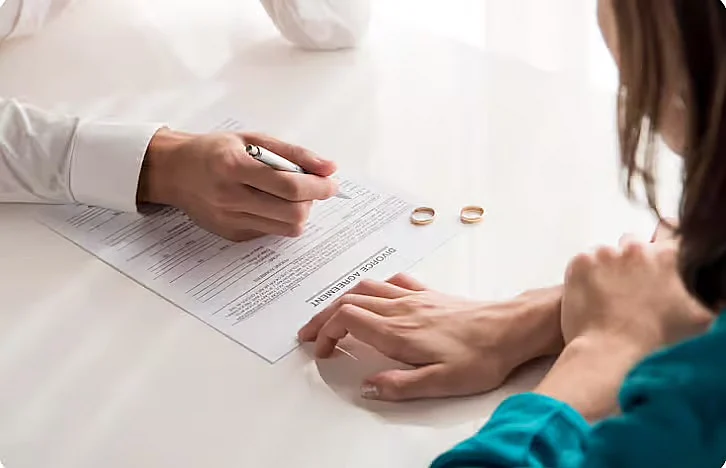
The phenomenon, increasingly referred to as “meno-divorce,” describes the growing number of relationships that break down during perimenopause and menopause, largely because neither partner understands what is happening.
“Many of these relationships could have been saved with earlier education, open conversation and appropriate support,” says Donna Howarth, founder of the Middle East Menopause Organisation (MEMO), which has been tracking the issue through community research. In polls conducted across Facebook and Instagram, MEMO found that around 82 per cent of women said perimenopause or menopause had affected their relationship in some way. Nearly a quarter described the impact as significant.
Declining levels of oestrogen, progesterone and testosterone don’t just cause hot flushes. They fundamentally alter how the brain processes emotion, stress and threat. “The brain’s threat system becomes louder, while regulation becomes harder,” explains Dr Bisi Laniyan, Clinical Psychologist and Adult Specialist at Sage Clinics. “Everyday stressors can feel more overwhelming.”
Different manifestation
Dr Aysha Salam, Specialist Obstetrics and Gynaecology at Aster Hospital Mankhool, added that depression and anxiety during the menopause transition often present differently from typical presentations, manifesting as irritability, paranoia and anger rather than sadness.
“This distinction highlights the complexity of menopausal mental health,” she said, noting that biological changes are further compounded by midlife pressures including caregiving responsibilities and career stagnation.
Dr Bisi Laniyan (R), Dr Aysha Salam (L)
Yet the symptoms are frequently missed. Women report being told their experiences are due to stress, low mood, or simply ageing. “This lack of recognition can be exhausting and erode confidence,” said Howarth.
Dr Laniyan agreed, saying: “Within marriages, dismissal can quietly damage emotional safety. Partners may view changes as personality flaws rather than a life-stage transition.”
Intimacy suffers in ways that are rarely discussed openly. MEMO highlights Genitourinary Syndrome of Menopause—physical changes that cause discomfort and lead women to avoid closeness, often without explaining why. Partners interpret the withdrawal as rejection. Women feel unseen and relationships often become silent and resentful.
Damage is reversible
The good news is that the damage is often reversible if couples act early enough. Hormone replacement therapy, lifestyle changes and menopause-informed therapy can each play a role. But experts emphasise that education and communication matter most. “Relationships tend to stabilise not because symptoms vanish, but because couples learn to respond differently to vulnerability and change,” says Dr Laniyan.
Dr Salam points to a clear link between low relationship satisfaction and higher rates of anxiety and overall menopausal symptoms, suggesting that supporting the relationship also supports the woman.
For Howarth, the message is clear. “Women should not be expected to just put up and shut up,” she said. “Informed partners and open communication can make a profound difference, not only in protecting relationships, but in helping families navigate this life stage together.”
ملاحظة تحريرية | Editorial Note:
نُشر هذا المقال في الأصل بواسطة Khaleej Times.
خبر (Khabr) هي منصة إعلامية أردنية مرخّصة تعمل بالذكاء الاصطناعي.
نضيف قيمة تحريرية من خلال: تحليل ذكي للأخبار، ملخصات تلقائية، رواية صوتية بالذكاء الاصطناعي، ترجمة متعددة اللغات، وتدقيق الحقائق.
هدفنا جعل الأخبار أكثر وضوحاً وسهولةً للقارئ العربي.
This article was originally published by Khaleej Times.
Khabr is a licensed Jordanian AI-powered news platform (Registration #82086).
We add editorial value through: AI-powered news analysis, automated summaries, AI audio narration, multi-language translation (Arabic, English, French, Turkish), and AI fact-checking.
Our mission is to make news more accessible and understandable for Arabic-speaking audiences worldwide.
هذا الخبر ضمن تغطية خبر لقسم صحة.
نقدّم لك تحليلات ذكية وملخصات يومية لأهم الأخبار من مصادر موثوقة متعددة.
المصدر: Khaleej Times.
يوجد 6 مقالات مرتبطة بهذا الموضوع.
This article is part of Khabr's coverage of Health.
We provide AI-powered analysis, summaries, and multi-source aggregation to keep you informed.
Source: Khaleej Times.
Tags: menopause, UAE, meno-divorce, doctors.
🍪 نستخدم ملفات تعريف الارتباط لتحسين تجربتك وعرض الإعلانات المخصصة. باستخدامك للموقع، فإنك توافق على سياسة ملفات تعريف الارتباط وسياسة الخصوصية.
We use cookies to enhance your experience and show personalized ads. By using this site, you agree to our Cookie Policy and Privacy Policy.
🔍
FREEFree 1GB Internet + Free International Calls
$1 trial — eSIM in 190+ countries — No roaming charges