What Iran and US get from deal and why both could struggle to keep it
•What Iran and US get from deal and why both could struggle to keep itImage source, Anadolu via Getty ImagesImage caption, Shipping in the Strait of Hormuz on WednesdayByAmir AzimiSenior News Editor -...
•It was to come out of the conflict with the Islamic Republic intact, its leadership still functioning and its negotiating position not completely broken.The Memorandum of Understanding (MOU) – as the...
•Tehran has agreed to help ensure safe commercial passage through Hormuz, something that had long been the status quo before the war, reaffirm that it will not pursue nuclear weapons, an...
هذا الخبر من BBC US & Trump News. خبر يقدم أدوات ذكاء اصطناعي للتلخيص والترجمة والاستماع.
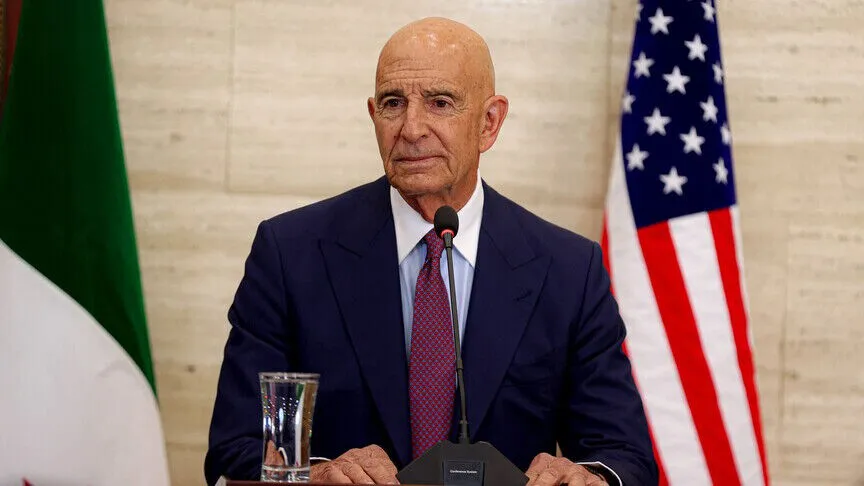
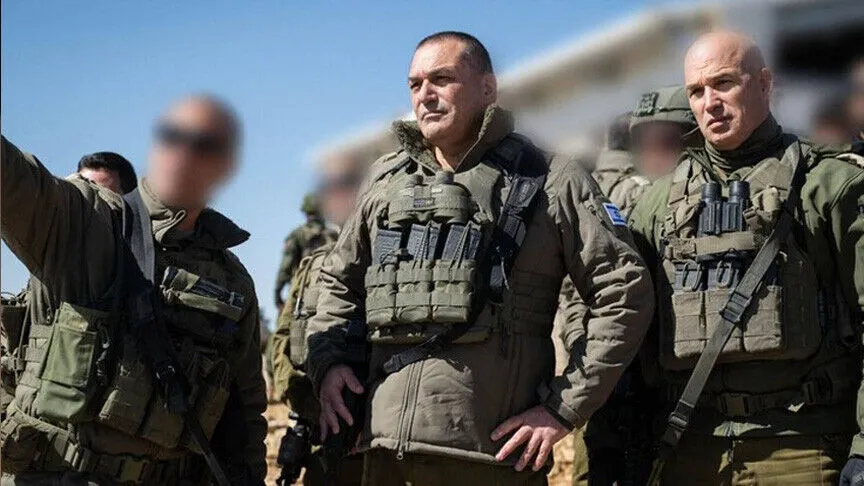
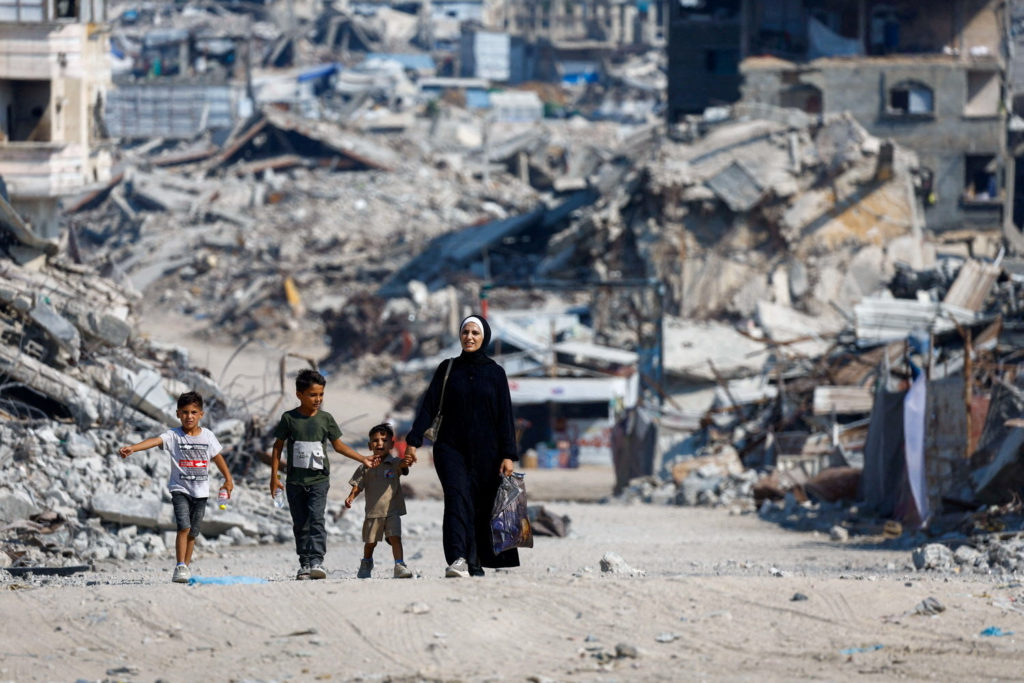
What Iran and US get from deal and why both could struggle to keep itImage source, Anadolu via Getty ImagesImage caption, Shipping in the Strait of Hormuz on WednesdayByAmir AzimiSenior News Editor - Persian ServicePublished18 June 2026More than 100 days after US and Israeli bombs began falling on Iran, both sides are claiming victory - a sign of how much each needed a way out.A deal has officially ended the fighting, but the harder negotiations are just beginning.Both sides have sold the deal to their public as a win but, as our analysts here explain, neither has fully convinced them and domestic critics on both sides argue that too many concessions were made.Image source, Anadolu via Getty ImagesImage caption, A mural in Tehran depicting negotiatorsFor Iran, the deal with the US offers something just as important as a ceasefire: a way to claim that it has not just survived the war without surrendering but has emerged from it stronger.From the start, Tehran's core objective was not necessarily to defeat the US and Israel in conventional military terms. It was to come out of the conflict with the Islamic Republic intact, its leadership still functioning and its negotiating position not completely broken.The Memorandum of Understanding (MOU) – as the deal is known - allows Iran to say it has achieved that.The document, signed separately by US President Donald Trump and Iranian President Masoud Pezeshkian, sets out a 60-day framework for negotiations over Iran's nuclear programme but it also confirms an immediate halt to military operations on all fronts, including Lebanon, mutual respect for sovereignty, the reopening of the Strait of Hormuz and the lifting of the US naval blockade on Iranian shipping.Iran's immediate obligations are significant, but relatively limited. Tehran has agreed to help ensure safe commercial passage through Hormuz, something that had long been the status quo before the war, reaffirm that it will not pursue nuclear weapons, an...المصدر: BBC US & Trump News | Source: BBC US & Trump News
ملاحظة تحريرية | Editorial Note: نُشر هذا المقال في الأصل بواسطة BBC US & Trump News. خبر (Khabr) هي منصة إعلامية أردنية مرخّصة تعمل بالذكاء الاصطناعي. نضيف قيمة تحريرية من خلال: تحليل ذكي للأخبار، ملخصات تلقائية، رواية صوتية بالذكاء الاصطناعي، ترجمة متعددة اللغات، وتدقيق الحقائق. هدفنا جعل الأخبار أكثر وضوحاً وسهولةً للقارئ العربي.
This article was originally published by BBC US & Trump News. Khabr is a licensed Jordanian AI-powered news platform (Registration #82086). We add editorial value through: AI-powered news analysis, automated summaries, AI audio narration, multi-language translation (Arabic, English, French, Turkish), and AI fact-checking. Our mission is to make news more accessible and understandable for Arabic-speaking audiences worldwide.