'We're not kids anymore': The DACA generation hits their 30s with an unstable future
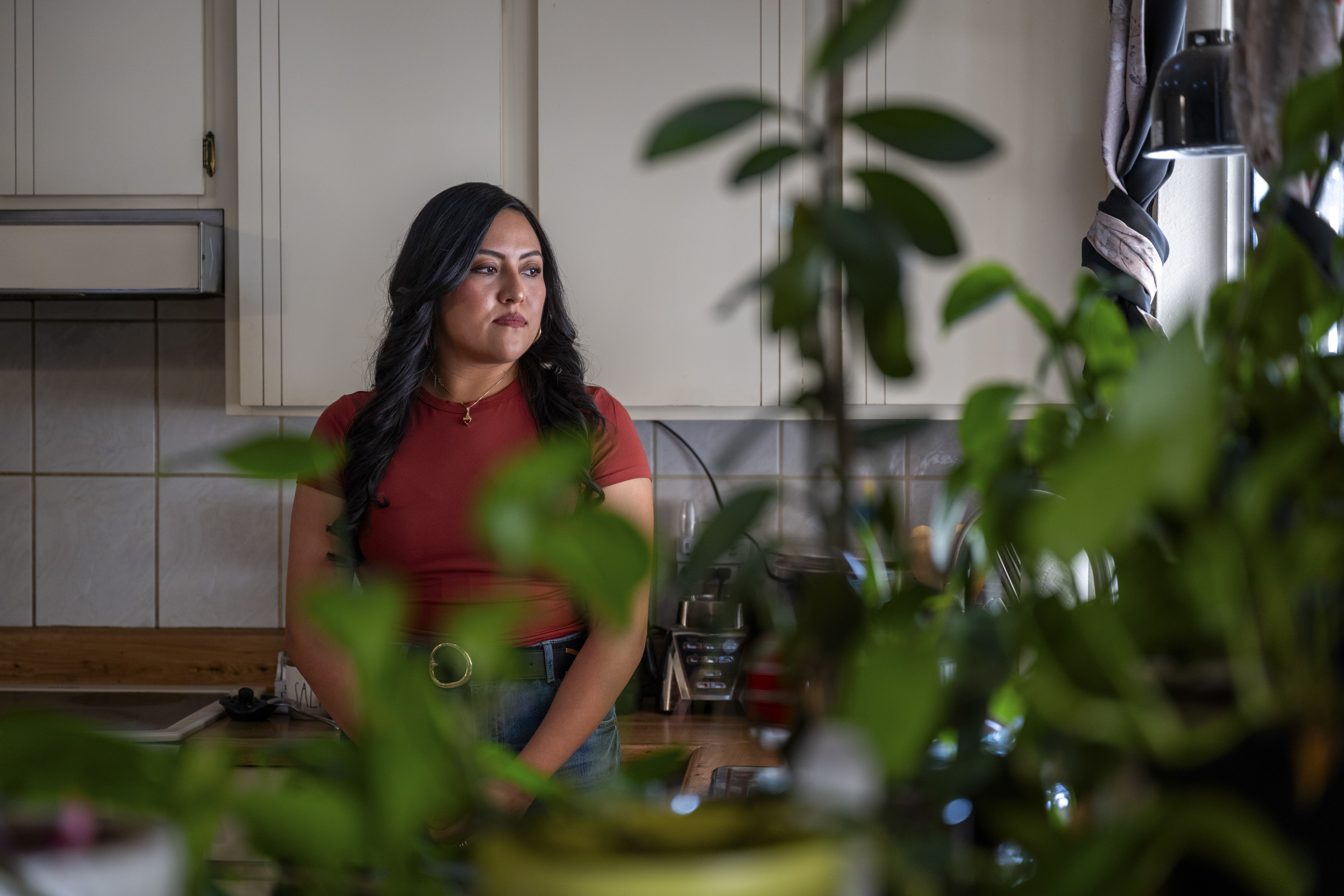
Deep Dive Immigration 'We're not kids anymore': The DACA generation hits their 30s with an unstable future May 19, 20265:00 AM ET Ximena Bustillo Marena Guzman, a Ph.D. candidate in molecular biosciences, recently moved back in with her parents to renew her DACA out of concern it could lapse. Ash Ponders for NPR hide caption toggle caption Ash Ponders for NPR PHOENIX – Diana A., 34, woke up one morning to find she was no longer able to legally work in the U.S. With expired documents, she couldn't go to her friend's wedding in San Diego. She couldn't drive. Diana is a decade-long recipient of the Deferred Action for Childhood Arrivals, also known as DACA, after she came to the U.S. illegally with her parents 24 years ago from Mexico. She asked NPR to only refer to her by her first name and last initial out of fear of legal repercussions for her immigration status. Every two years, like other DACA recipients, Diana would submit an application to renew her DACA and work permit. This year, for the first time, the approval lapsed for more than a month. Sponsor Message "It was a very stressful time in my life and it was just, here's hoping today's not the day where I get taken," she said, adding that for the first time she had a mental plan of who to call if she got detained. Diana hoped DACA would give her more opportunities. Now she worries those opportunities could be taken away. Law Justice Department makes it easier to deport those with DACA status "This is what I envisioned: having a job, having a career that I could be proud of and being able to be independent and living a life that I could be comfortable with," she said. "And to a certain degree, I think I've achieved the dream — and I think that there's still a cage around it." The Obama administration created the DACA program in 2012 to protect from deportation those who were brought to the U.S. illegally as children. The program was billed as a "temporary" stopgap to provide them a legal way to live and work in...المصدر: NPR | Source: NPR
ملاحظة تحريرية | Editorial Note: نُشر هذا المقال في الأصل بواسطة NPR. خبر (Khabr) هي منصة إعلامية أردنية مرخّصة تعمل بالذكاء الاصطناعي. نضيف قيمة تحريرية من خلال: تحليل ذكي للأخبار، ملخصات تلقائية، رواية صوتية بالذكاء الاصطناعي، ترجمة متعددة اللغات، وتدقيق الحقائق. هدفنا جعل الأخبار أكثر وضوحاً وسهولةً للقارئ العربي.
This article was originally published by NPR. Khabr is a licensed Jordanian AI-powered news platform (Registration #82086). We add editorial value through: AI-powered news analysis, automated summaries, AI audio narration, multi-language translation (Arabic, English, French, Turkish), and AI fact-checking. Our mission is to make news more accessible and understandable for Arabic-speaking audiences worldwide.