'We can't destroy history!' Row erupts in Berlin over plans to turn Adolf Hitler's bunker into flats
•A fierce debate has erupted in Berlin over proposals to demolish one of the final surviving structures from Adolf Hitler's seat of power.A bunker, which sits on wasteland in the centre of the German c...
•"It was the power centre of Nazi Germany, Hitler's New Reich Chancellery, and these are the last remains."Mr Arnold wants to collaborate with the Holocaust Museum to transform the location into a memo...
•We can't keep doing that," he said.When Mr Arnold last inspected the bunker in 2007, he found it remarkably well-preserved, with approximately 1,200 square metres remaining intact.The walls and ceilin...
هذا الخبر من GB News. خبر يقدم أدوات ذكاء اصطناعي للتلخيص والترجمة والاستماع.
المصدر: GB News | Source: GB NewsA fierce debate has erupted in Berlin over proposals to demolish one of the final surviving structures from Adolf Hitler's seat of power.
A bunker, which sits on wasteland in the centre of the German capital, represents virtually all that remains of the Nazi leader's chancellery complex.
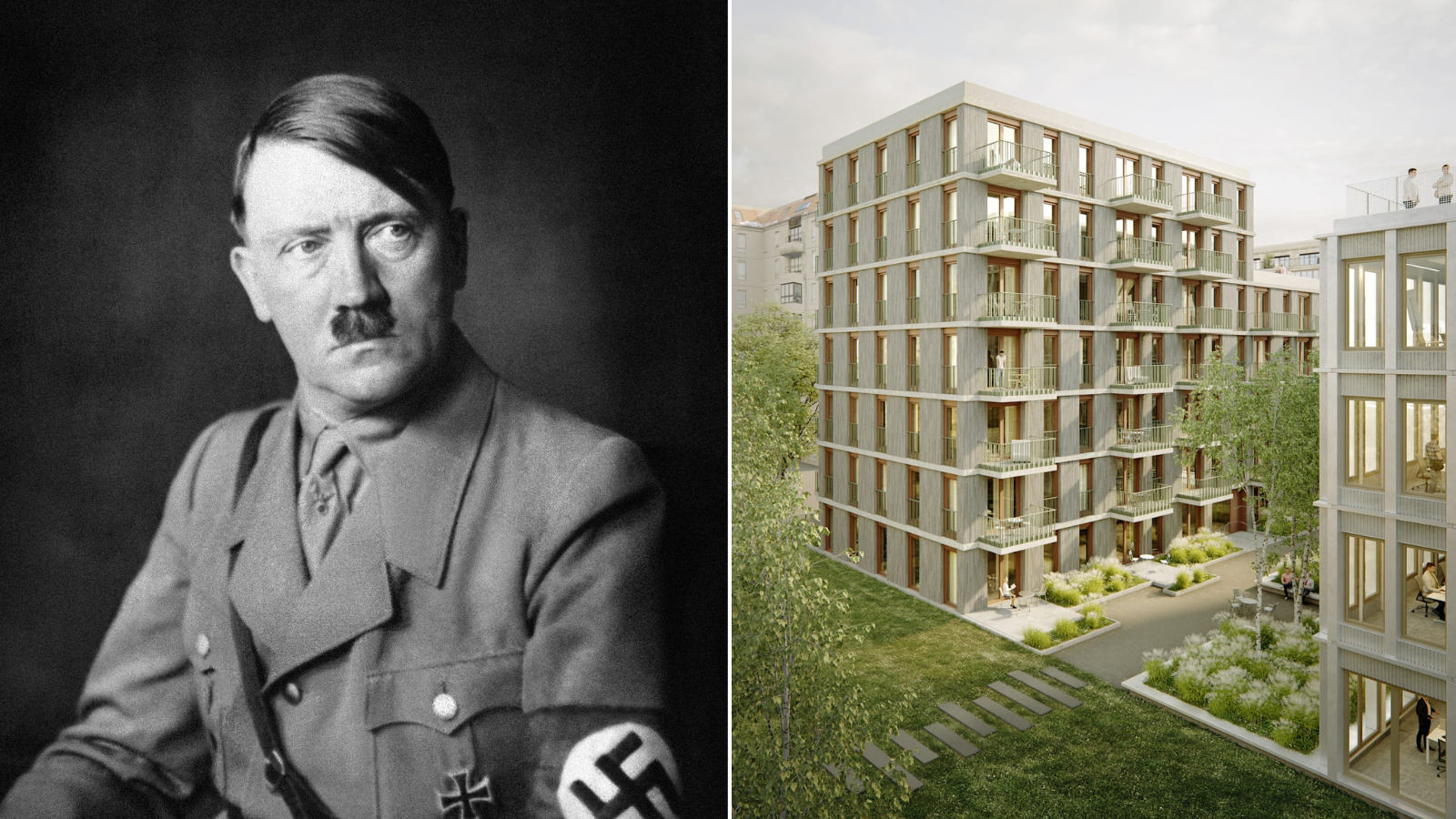
Authorities now intend to clear the site to make way for new flats and office space.
The original New Reich Chancellery building, designed by Hitler's preferred architect Albert Speer, suffered extensive damage during the final stages of the World War Two before Soviet forces ordered its complete demolition in 1949.
Christian Gaebler, Berlin's Housing Senator, has thrown his weight behind the demolition plans.
He argues that preserving the underground structure should not obstruct much-needed housing in the city.
"We are not standing in the way of new housing developments just to preserve a bunker that might then even become a place of pilgrimage," he told the BZ newspaper.
His comments reflect concerns that maintaining such a site could attract neo-Nazi sympathisers seeking to venerate locations connected to the Third Reich.
For Mr Gaebler, the need for new homes outweighs any argument for keeping the wartime remains still standing.
Dietmar Arnold, who chairs the Berlin Underworlds Association, has condemned the demolition proposal in the strongest terms.
"It is a site of the perpetrators," he told the BBC. "It was the power centre of Nazi Germany, Hitler's New Reich Chancellery, and these are the last remains."
Mr Arnold wants to collaborate with the Holocaust Museum to transform the location into a memorial and exhibition space documenting the end of the war.
GERMANY - READ THE LATEST:
- Six dead after gunman opens fire in historic German town - Suspect detained
- Saudi Arabian refugee jailed for life after ramming car into German Christmas market
- Controversial Bible mystery finally solved after two new sermons discovered in lost manuscripts
"So much history has been destroyed here in Germany, both Communist history and Nazi history. We can't keep doing that," he said.
When Mr Arnold last inspected the bunker in 2007, he found it remarkably well-preserved, with approximately 1,200 square metres remaining intact.
The walls and ceiling of the structure are 1.7 metres thick, and Mr Arnold has suggested construction could proceed above the bunker without needing to destroy it entirely.
The bunker served staff working within the Reich Chancellery and functioned as a hospital during the war's final days, distinct from the more notorious Fuhrerbunker located around 120 metres north, where Hitler and Eva Braun took their lives.
The Berlin State Monuments Council opposed the demolition plans last year, declaring the site possessed "significant historical value."
It said: "The New Reich Chancellery was the planning centre and starting point of World War Two and also symbolises the catastrophic end of the Nazi regime.
"In view of its potential significance as a historic monument, its state of preservation and its inclusion on the list of listed buildings should be assessed by the State Office for the Preservation of Historical Monuments."
An estimated 25,000 bunkers were bult by the Germans during the Second World War, stretching from from Norway to the southernmost part of France at the Pyrenees.
Our Standards: The GB News Editorial Charter


ملاحظة تحريرية | Editorial Note: نُشر هذا المقال في الأصل بواسطة GB News. خبر (Khabr) هي منصة إعلامية أردنية مرخّصة تعمل بالذكاء الاصطناعي. نضيف قيمة تحريرية من خلال: تحليل ذكي للأخبار، ملخصات تلقائية، رواية صوتية بالذكاء الاصطناعي، ترجمة متعددة اللغات، وتدقيق الحقائق. هدفنا جعل الأخبار أكثر وضوحاً وسهولةً للقارئ العربي.
This article was originally published by GB News. Khabr is a licensed Jordanian AI-powered news platform (Registration #82086). We add editorial value through: AI-powered news analysis, automated summaries, AI audio narration, multi-language translation (Arabic, English, French, Turkish), and AI fact-checking. Our mission is to make news more accessible and understandable for Arabic-speaking audiences worldwide.