⚡ عاجل: كريستيانو رونالدو يُتوّج كأفضل لاعب كرة قدم في العالم●⚡ أخبار عاجلة تتابعونها لحظة بلحظة على خبر●⚡ تابعوا آخر المستجدات والأحداث من حول العالم●
AI اقتراحات ذكية
AI مباشر|--مشاهد مباشر
846,005مقال404مصدر نشط224قناة مباشرة4,776خبر اليوم
آخر تحديث:منذ 4 ثواني
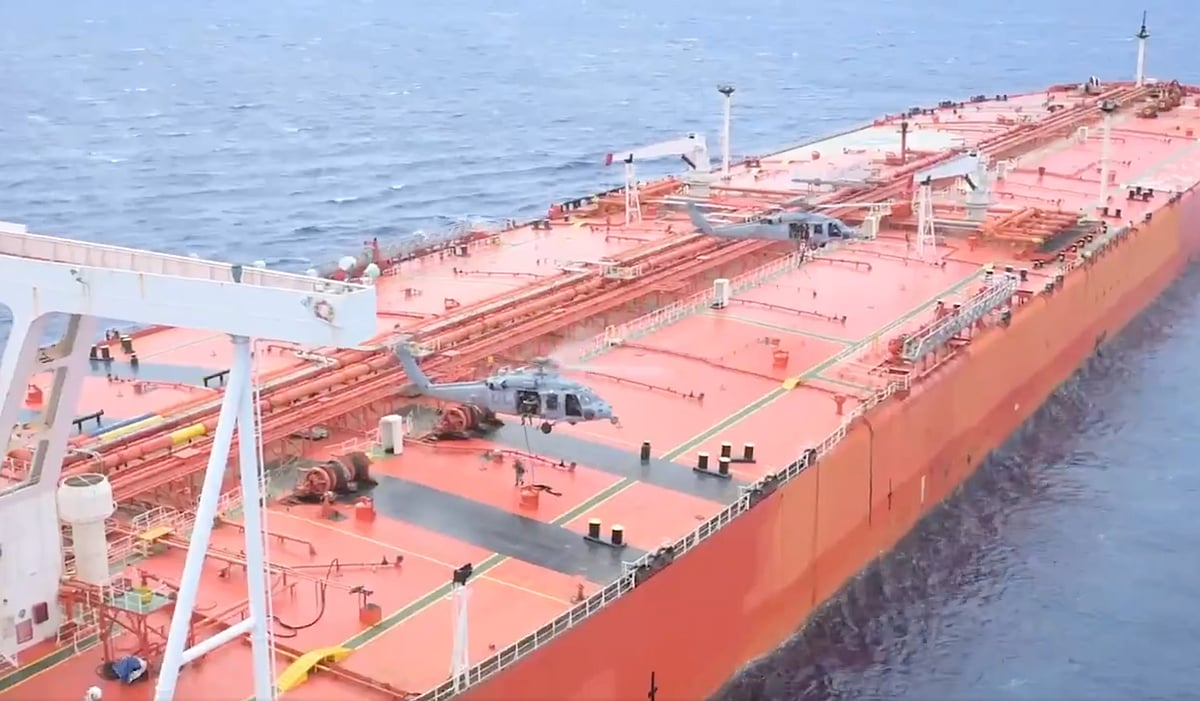
Video: US Marines board Iran-linked crude oil tanker 'M/T Tifani'
US forces have boarded the crude oil tanker M/T Tifani in the Indian Ocean, marking what appears to be a new escalation in efforts to disrupt Iran-linked shipping, according to media reports.
The move came as the 330-meter very large crude carrier, built in 2003, was sailing in Southeast Asian waters while still appearing fully laden with crude.
US marines board sanctioned VLCC in Indian Ocean
US forces have boarded the crude oil tanker Tifani in the Indian Ocean, in what appears to be a further escalation in enforcement against Iran-linked shipping, according to media reports. The 330-metre VLCC, built in 2003, was… pic.twitter.com/pyxHnCs5f4
Tanker tracking data showed the vessel passed Dondra Head on April 19 and entered Southeast Asia on April 20 before being boarded by US Marines, suggesting the operation took place far from the Arabian Gulf, as per Marine Traffic.
The tanker was still underway at around 6 knots and had a reported draught of 20 meters, which usually indicates it remained heavily loaded. That detail matters because it suggests the cargo had not yet been discharged when the boarding occurred.
Pentagon confirms boarding
Overnight, U.S. forces conducted a right-of-visit, maritime interdiction and boarding of the stateless sanctioned M/T Tifani without incident in the INDOPACOM area of responsibility.⁰⁰As we have made clear, we will pursue global maritime enforcement efforts to disrupt illicit… pic.twitter.com/EGwDe3dBI3
The Pentagon confirmed that US forces carried out a right-of-visit maritime interdiction and boarded the sanctioned crude oil tanker M/T Tifani in the INDOPACOM area without incident, a move that signals Washington is broadening its enforcement campaign against vessels tied to Iran.
According to the statement, the US action was aimed at disrupting illicit maritime networks and denying sanctioned vessels “freedom of manoeuvre” in international waters.
The Pentagon said international waters are not a safe haven for ships providing material support to Iran.
What happened
The M/T Tifani is described as a "stateless sanctioned tanker" that had previously been linked to Iranian crude transfers.
Ship-tracking data showed her moving through the Indian Ocean in the days before the boarding.
U.S. officials did not immediately release details of any detention outcome beyond saying the operation was conducted without incident.
Why it matters
This is notable because it extends US maritime pressure on Iran-linked shipping beyond the Middle East and into the Indo-Pacific, suggesting a more global enforcement posture.
That matters for oil markets because tankers tied to sanctioned crude trade often rely on long, opaque routes and shifting ownership structures.
A single interdiction can raise insurance costs, complicate chartering and increase caution among ship operators.
The boarding comes amid heightened scrutiny of Iran’s oil network and broader regional tensions, with the US signaling that vessels suspected of supporting sanctioned trade may face enforcement far from the Gulf.
Media reports also noted that the M/T Tifani was still underway in the Indian Ocean and appeared laden at the time, underscoring why the case is being treated as part maritime policing, part strategic warning.
ملاحظة تحريرية | Editorial Note:
نُشر هذا المقال في الأصل بواسطة Gulf News.
خبر (Khabr) هي منصة إعلامية أردنية مرخّصة تعمل بالذكاء الاصطناعي.
نضيف قيمة تحريرية من خلال: تحليل ذكي للأخبار، ملخصات تلقائية، رواية صوتية بالذكاء الاصطناعي، ترجمة متعددة اللغات، وتدقيق الحقائق.
هدفنا جعل الأخبار أكثر وضوحاً وسهولةً للقارئ العربي.
This article was originally published by Gulf News.
Khabr is a licensed Jordanian AI-powered news platform (Registration #82086).
We add editorial value through: AI-powered news analysis, automated summaries, AI audio narration, multi-language translation (Arabic, English, French, Turkish), and AI fact-checking.
Our mission is to make news more accessible and understandable for Arabic-speaking audiences worldwide.
هذا الخبر ضمن تغطية خبر لقسم أخبار محلية.
نقدّم لك تحليلات ذكية وملخصات يومية لأهم الأخبار من مصادر موثوقة متعددة.
المصدر: Gulf News.
يوجد 6 مقالات مرتبطة بهذا الموضوع.
This article is part of Khabr's coverage of Local News.
We provide AI-powered analysis, summaries, and multi-source aggregation to keep you informed.
Source: Gulf News.
Tags: US Marines, Iran, oil tanker.
🍪 نستخدم ملفات تعريف الارتباط لتحسين تجربتك وعرض الإعلانات المخصصة. باستخدامك للموقع، فإنك توافق على سياسة ملفات تعريف الارتباط وسياسة الخصوصية.
We use cookies to enhance your experience and show personalized ads. By using this site, you agree to our Cookie Policy and Privacy Policy.
FREEFree 1GB Internet + Free International Calls
$1 trial — eSIM in 190+ countries — No roaming charges