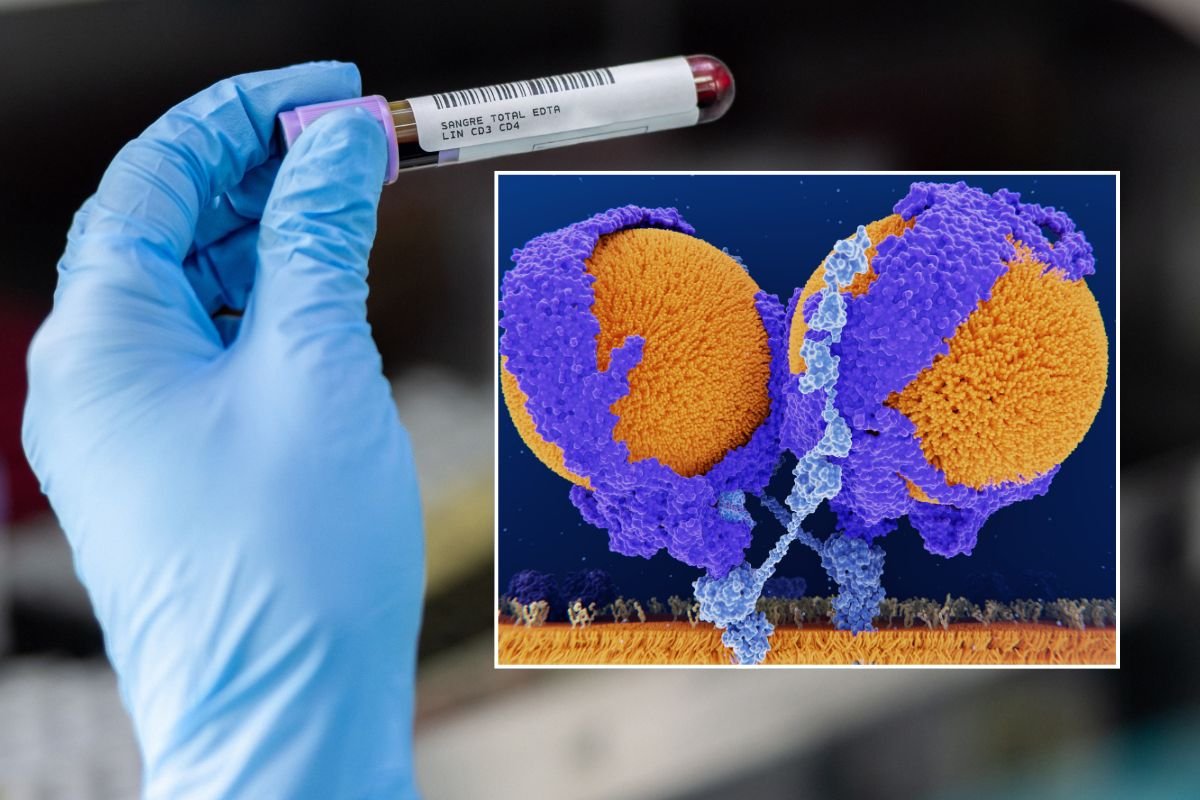
A groundbreaking gene therapy developed by London researchers has slashed levels of harmful cholesterol by as much as 62 per cent following a single injection, in what scientists are hailing as a potential game-changer for cardiovascular medicine.
The experimental treatment known as VERVE-102 was tested in an early-phase clinical trial led by teams at University College London and UCL Hospitals.
Findings published in The New England Journal of Medicine revealed that one dose administered via intravenous drip permanently modifies a gene responsible for cholesterol regulation.
Participants who received the highest dose saw their LDL cholesterol — the type responsible for dangerous arterial plaque build-up — fall dramatically, with levels remaining suppressed for up to twelve months.

Elevated LDL cholesterol ranks among the leading contributors to cardiovascular death, playing a role in hundreds of thousands of fatalities annually across Britain and the United States.
Statins remain the frontline defence, prescribed to more than seven million patients in the UK and over 40 million in America. But the drugs demand daily compliance to deliver their benefits.
Studies indicate that roughly half of those prescribed cholesterol-lowering medication abandon it within a year. Some find the routine of a daily tablet hard to sustain; others are put off by unwelcome side effects.
Muscle pain is the complaint most frequently cited, though a smaller proportion of patients develop more severe complications.
It is precisely this adherence problem that makes a single-dose therapy so appealing. Should VERVE-102 prove its worth in larger trials, it could eliminate the need for lifelong pill-taking altogether.
VERVE-102 operates by silencing a specific gene in liver cells that instructs the body to produce a protein known as PCSK9. Under normal circumstances, this protein prevents the clearance of LDL cholesterol from the bloodstream.
Once the gene is switched off, the body becomes far more efficient at removing circulating LDL. The approach effectively replicates a naturally occurring genetic quirk — certain individuals are born with this gene inactive, granting them lifelong low cholesterol and significantly reduced cardiac risk.
LATEST DEVELOPMENTS:
- Breakfast staple shown to cut bad cholesterol in just two days - with benefits still visible six months later
- Surprising foods a dietitian says do more to lower cholesterol than oats or fish
- 'Cholesterol-lowering' grain backed by nutritionist could cut bad lipids by up to 15% within weeks
The trial enrolled 35 adults suffering from either heterozygous familial hypercholesterolaemia, an inherited condition causing dangerously high cholesterol, or premature coronary artery disease.
Participants were given one of six doses, spanning 0.3mg to 1.0mg of total RNA per kilogram of body weight.
At the top dose, LDL fell by up to 62 per cent, whilst the lowest dose produced a more modest nine per cent reduction. Among those monitored longest, cholesterol remained consistently low.
Importantly, the trial flagged no serious safety concerns. Despite the "gene therapy" label, VERVE-102 does not alter a patient's broader DNA — it makes a precise, targeted edit confined to liver cells and cannot be inherited by future generations.
Prof Riyaz Patel, a clinical academic at UCL and consultant cardiologist at Barts Health and UCLH who served as a local lead for the trial, said: "It is still early days, but this is an extremely exciting milestone. These findings show the technology works, is safe and helps lower cholesterol."
Prof Bryan Williams, chief scientific and medical officer at the British Heart Foundation, said: "These results are very exciting and highlight the pace of change in genetic technologies and their application in healthcare."
He added that cholesterol reductions appeared stable over several months and that, should larger trials succeed, the therapy "has the potential to revolutionise the way we treat people to lower cholesterol in the highest risk patients."
Not all experts shared the same level of enthusiasm, however. Prof Kausik Ray, professor of public health at Imperial College London, cautioned against overstating the therapy's promise.
"For gene editing, it is, in theory, a once-in-a-lifetime treatment to maintain PCSK9 lowering, but we currently only have months of data," he said
"Safety concerns mean the FDA requires 14 years of safety follow-up. Safety issues may not emerge for many years. These can be in another organ or another gene."

Prof Ray also noted that patients with exceptionally elevated cholesterol might still require supplementary medication even after receiving the gene therapy.
Beyond its implications for cardiovascular care, the trial represents a significant moment for the broader discipline of somatic gene editing.
Prof Ewan Birney, director of the European Molecular Biology Laboratory's European Bioinformatics Institute near Cambridge, described it as "a good use of somatic gene editing for a key disease," noting that it opened a pathway for treating widespread chronic conditions rather than solely rare genetic disorders.
Our Standards: The GB News Editorial Charter