Almost 2,000 high street businesses are licensed to sponsor foreign workers, despite changes to legislation.
This comes after changes last summer which ended the overseas recruitment of care workers and raised the minimum salary for skilled workers to £41,700.
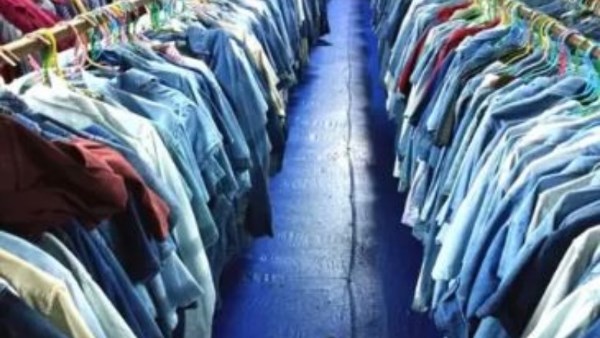
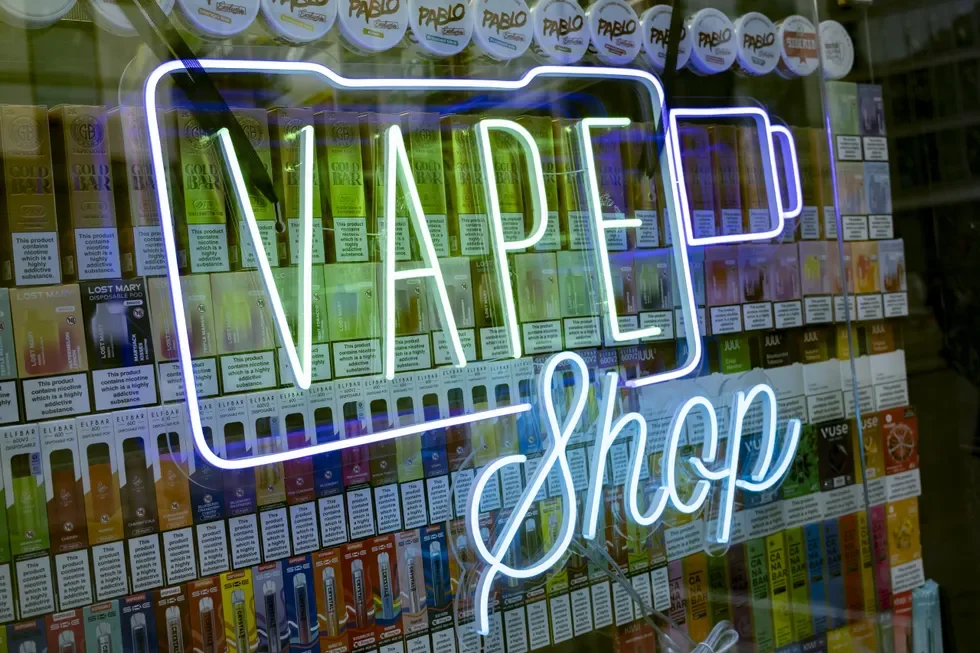
However, one year after the changes were brought in, more than 1,500 grocery and convenience stores, 150 taxi operators, 100 barber shops, and dozens of car washes and vape shops are still on the register.
All of these businesses are able to sponsor people to apply for visas, reports the BBC.
While being on the register does not mean applications for individual visas would be approved, over 100 of those businesses were added to the skilled worker sponsorship list after the rules were tightened.
Some of the companies that joined the register after the rules changed in July 2025 may have applied before they took effect.
Other companies may have also stayed on the register because they were approved before the new legislation came in or are sponsoring workers who were already in the UK.
Health Secretary Yvette Cooper said Labour would "make sure that the rules are being properly enforced because we cannot have employers getting round the rules or finding different ways to deviate".
Official figures from the Home Office show there were 68,067 skilled worker visas granted in the 12 months to March this year.
Breaking this down, 29,745 were given to main applicants and 38,322 to their dependants, which is 30 per cent lower than the year before.
The most common type of person granted visas was IT professionals, followed by those working in finance.
Meanwhile, the fall in approvals was mostly attributed to those in food preparation and hospitality trades no longer qualifying for the scheme.
LATEST DEVELOPMENTS
- The visa loopholes are still there and Britain is still paying the price, writes Rakib Ehsan
- Welcome to Britain's 'Visa Street' - the road where 27 businesses brought in up to 350 migrants on skilled worker visas
- Andy Burnham urged to overhaul visa vetting as Iran wages ‘psychological war’ on Britain

Sales and retail assistants, taxi drivers and chauffeurs are ineligible for the scheme.
However, there are some exemptions where there is a shortage of workers in the UK, including for bricklayers, carpenters or nursing assistants.
Just under 3,300 licences were revoked in 2025 compared with 347 in 2023 under the previous Conservative government.
The Home Office does not specify how many certificates of sponsorship or visas have been issued for each business or what type of role it has hired for.
But official guidance makes it clear firms must offer genuine jobs that meet skill and salary rules, and only sponsor workers for eligible roles.
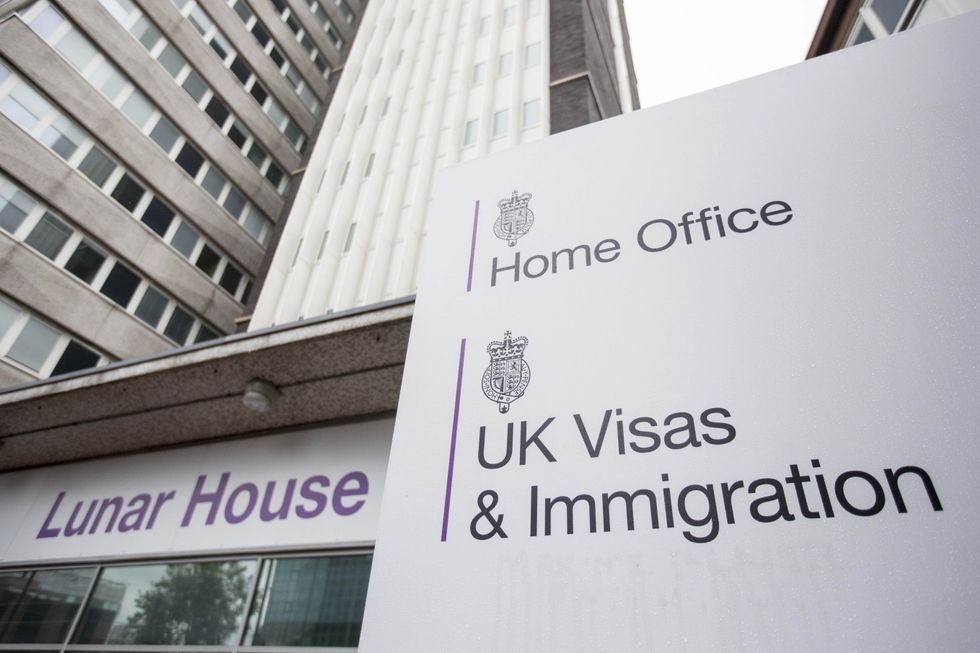
Analysis found 1,900 small high-street businesses that had retained a sponsorship licence.
Around 1,700 of those were in England, over 140 were in Scotland, more than 80 were in Wales and just two were in Northern Ireland.
Sixty businesses on the register that had been fined for employing illegal workers between April 2024 and December 2025.
The businesses have been fined a combined £2.5million.
Toby Way, a lawyer at WestBridge Business Immigration, told the BBC while most sponsorship approvals are legitimate: "We come across a lot of exaggeration and some downright lying about sponsored roles. Hotels and restaurants have been hit massively by the rule changes.
"They're now unable to sponsor a chef or a manager, but they might claim they need someone for marketing or book-keeping, because those roles are on the temporary shortage list.
"We know the Home Office looks at the finances of the businesses now and whether their revenue or profit means they can pay the required salary."
A Home Office spokesman said: "Illegal working will not be accepted, and businesses who face two or more illegal working penalties of up to £60,000, or fail to pay a penalty the first time, will have their license to hire workers revoked."
Our Standards: The GB News Editorial Charter