U.S. lifts blockade on Iranian ports as 60-day clock for a final deal starts ticking
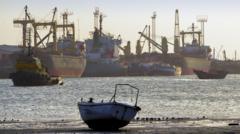
•lifts blockade on Iranian ports as 60-day clock for a final deal starts ticking June 18, 20265:28 PM ET By NPR Politics and Policy Desk In this picture obtained from Iran's ISNA news agency on Thursd...
•Amirhossein Khorgooei/ISNA/AFP via Getty Images hide caption toggle caption Amirhossein Khorgooei/ISNA/AFP via Getty Images U.S.
•forces have lifted their blockade on ships entering and exiting Iranian ports and coastal areas, U.S.
هذا الخبر من NPR. خبر يقدم أدوات ذكاء اصطناعي للتلخيص والترجمة والاستماع.
U.S. lifts blockade on Iranian ports as 60-day clock for a final deal starts ticking June 18, 20265:28 PM ET By NPR Politics and Policy Desk In this picture obtained from Iran's ISNA news agency on Thursday, vessels are seen anchored in Bandar Abbas along the Strait of Hormuz. Amirhossein Khorgooei/ISNA/AFP via Getty Images hide caption toggle caption Amirhossein Khorgooei/ISNA/AFP via Getty Images U.S. forces have lifted their blockade on ships entering and exiting Iranian ports and coastal areas, U.S. Central Command announced Thursday. The move is one of the conditions in a ceasefire agreement between the U.S. and Iran while the countries move into the next phase of negotiations over the next 60 days. Iran, for its part, has committed to letting oil tankers move safely through the Strait of Hormuz, where roughly 20% of the world's oil transited before the war began. The agreement, signed Wednesday, states that Iran will allow commercial vessels to transit the Strait of Hormuz "with no charge for 60 days only," after which "future administration and maritime services" will be determined by Iran along with Oman and other Persian Gulf states. Iranian officials have suggested they may impose "service fees" on ships, which industry analysts call legally questionable on an international waterway. Sponsor Message When ships will actually begin sailing through the Strait of Hormuz in significant numbers remains an open question, though, given the fear of Iranian-placed mines that the U.S. and other nations are in the process of clearing. Politics With Iran deal, Trump told ships to 'start your engines.' That's not happening yet Iranian oil exports — now free of U.S. sanctions under the agreement — will also move through the strait. Centcom says the U.S. Navy remains in the area to make sure that the terms of the ceasefire are obeyed. Vice President Vance is leading the negotiations with Iran and is expected to head to Switzerland as early as this weekend, though he...المصدر: NPR | Source: NPR
ملاحظة تحريرية | Editorial Note: نُشر هذا المقال في الأصل بواسطة NPR. خبر (Khabr) هي منصة إعلامية أردنية مرخّصة تعمل بالذكاء الاصطناعي. نضيف قيمة تحريرية من خلال: تحليل ذكي للأخبار، ملخصات تلقائية، رواية صوتية بالذكاء الاصطناعي، ترجمة متعددة اللغات، وتدقيق الحقائق. هدفنا جعل الأخبار أكثر وضوحاً وسهولةً للقارئ العربي.
This article was originally published by NPR. Khabr is a licensed Jordanian AI-powered news platform (Registration #82086). We add editorial value through: AI-powered news analysis, automated summaries, AI audio narration, multi-language translation (Arabic, English, French, Turkish), and AI fact-checking. Our mission is to make news more accessible and understandable for Arabic-speaking audiences worldwide.