ALBAWABA- The United States on Monday launched what Treasury Secretary Scott Bessent described as an “economic D-Day” against Iran, unveiling a sweeping campaign designed to cut Tehran off from international financial networks and choke the revenues sustaining its government and Islamic Revolutionary Guard Corps (IRGC).
Bessent warned that no country, company or financial institution would be beyond the reach of US sanctions. He said Washington would target those helping Iran convert oil into cash, finance the government or IRGC, or facilitate transactions through the international financial system. Any institution found helping Iran launder money could be excluded from the US dollar system.
The campaign includes expanded secondary sanctions against foreign entities dealing with Iran. The Treasury announced measures against nearly 60 individuals and entities, including brokers, companies and vessels linked to Iran’s oil trade and shadow fleet across the United Arab Emirates, Hong Kong, Singapore, Switzerland, Europe and China. The new measures also focus on Iran-linked activities in digital assets, technology, gold, aviation and shipping.
Bessent also delivered a direct warning to Iran’s trading partners, including China. He said every country would have a defined period to wind down activities identified by Washington, while stressing that the United States would not immediately impose a universal deadline because it wanted countries to have an opportunity to change course. “Our patience is not infinite,” he said.
The campaign comes after nearly six months of US-Iran conflict and amid a broader deadlock over efforts to end the war. Washington has sought to use military and economic pressure to force Tehran to make concessions, while Iran has continued to resist demands for capitulation. The US also faces the difficult task of enforcing secondary sanctions without triggering a major confrontation with China, Iran’s most important trading partner.
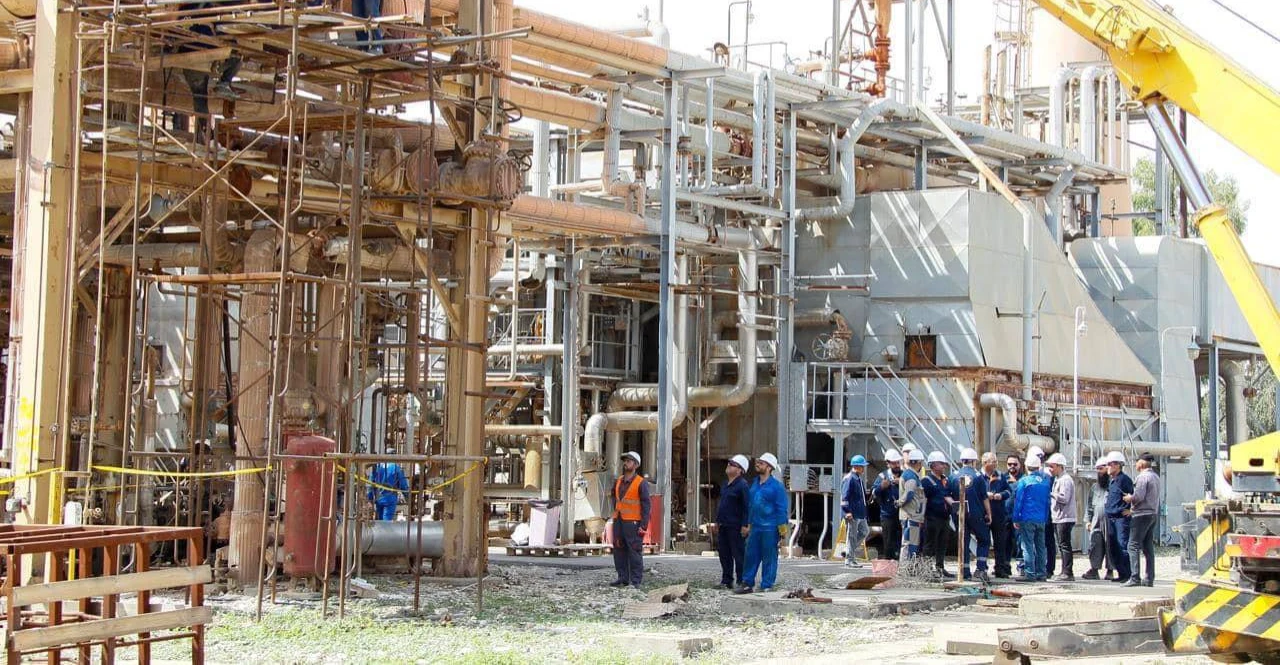
Iran’s economy is already under severe pressure. The Iranian rial fell to a record low on Monday, reaching about 2 million rials to the US dollar on the open market, as inflation, disrupted oil exports and the effects of the war intensified economic strain.
Iranian officials have rejected the US strategy, arguing that Washington has imposed sanctions for years without succeeding in collapsing the Iranian economy. Iran’s economic leadership says the country has developed mechanisms to circumvent sanctions and rebuild damaged industries, insisting that the latest US campaign will not sever the “arteries” of the Iranian economy.
Diplomatic activity has meanwhile intensified. Pakistan’s army chief, Field Marshal Asim Munir, arrived in Tehran for talks aimed at helping break the deadlock between Iran and the United States. Oman is also pursuing a diplomatic channel. Foreign Minister Sayyid Badr Albusaidi is scheduled to visit Tehran on Tuesday for talks on the Strait of Hormuz.