⚡ عاجل: كريستيانو رونالدو يُتوّج كأفضل لاعب كرة قدم في العالم●⚡ أخبار عاجلة تتابعونها لحظة بلحظة على خبر●⚡ تابعوا آخر المستجدات والأحداث من حول العالم●
AI اقتراحات ذكية
AI مباشر|--مشاهد مباشر
846,029مقال404مصدر نشط224قناة مباشرة4,779خبر اليوم
آخر تحديث:منذ ثانيتين
US, Iranian teams could return to Islamabad for 2nd round of peace talks this week: sources
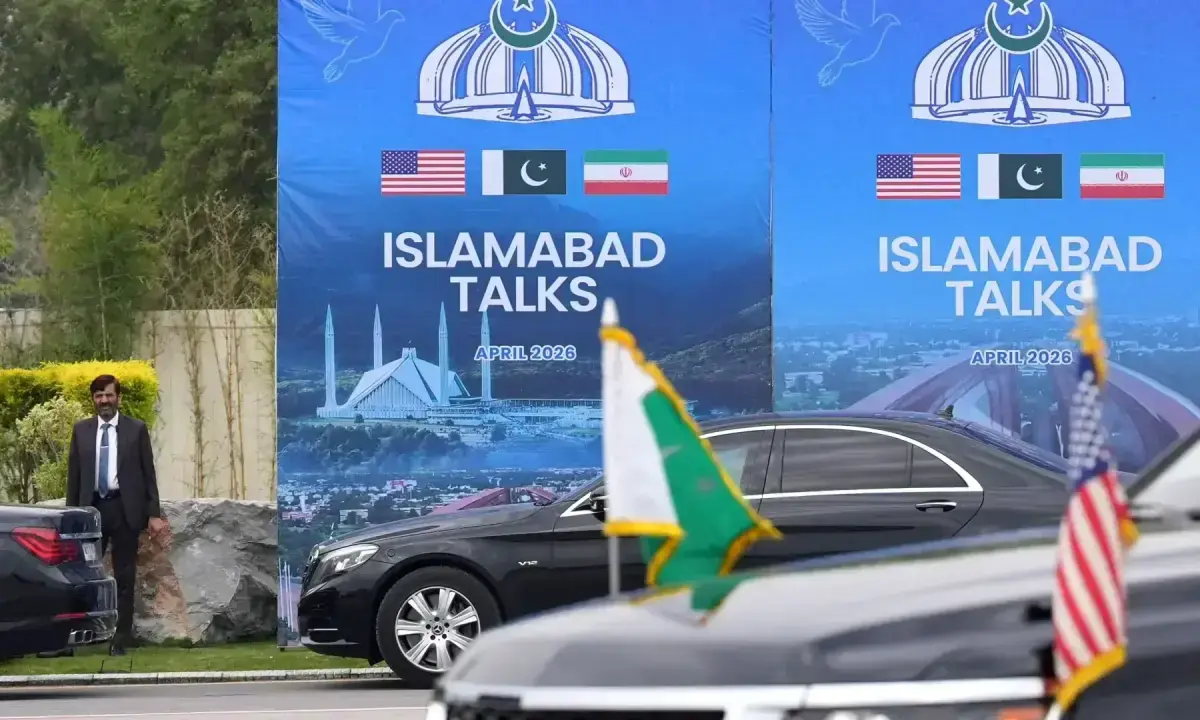
Negotiating teams from the US and Iran could return to Islamabad later this week, five sources said on Tuesday, days after the highest-level talks between the two countries in decades ended without a breakthrough.
Pakistan hosted direct Iran-US talks in Islamabad over the weekend, marking the highest engagement between the two sides since 1979. Both delegations departed the capital on Sunday after the talks ended without an agreement, but also without a breakdown.
According to Reuters, a source involved in the talks said a date was not yet decided, but both countries could return as early as the end of this week. They said that a proposal has been shared with both the US and Iran to resend their delegates to resume the talks.
“No firm date has been set, with the delegations keeping Friday through Sunday open,” a senior Iranian source said.
Two Pakistani sources with knowledge of the talks said Islamabad was communicating with the two sides about the timing of the next round and the meeting would likely take place on the weekend.
“We have reached out to Iran and we got a positive response that they will be open to a second round of talks,” a senior Pakistani government official was quoted as saying by Reuters.
Similarly, a Pakistani source told AFP that Islamabad was working to bring Iran and the US back together for a second round of talks and to secure an extended ceasefire to allow for diplomacy.
“Efforts are underway to bring both parties back to the table, of course we want them back in Islamabad, but the venue is not final yet,” said the source, who requested anonymity due to the sensitivity of the subject matter.
“The meeting could take place soon, though dates have yet to be confirmed,” the source was quoted as saying.
The source added: “We are also working to get the ceasefire extended beyond the current deadline to allow for additional time.”
On Monday, officials familiar with the back-channel exchanges told Dawn that intermediaries were working to bring Tehran and Washington back to the negotiating table, with Pakistan at the centre of the efforts, backed by Turks and Egyptians.
The immediate priority, they said, was to extend the ceasefire.
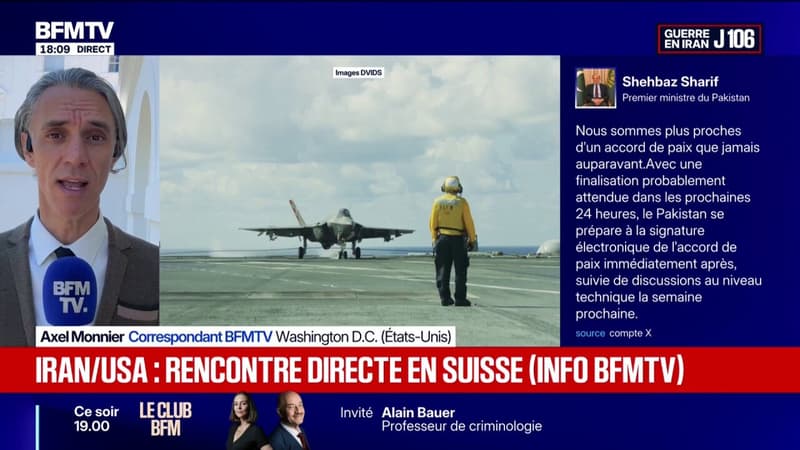
On Monday, Prime Minister Shehbaz Sharif told a meeting of the federal cabinet that “full efforts” were ongoing to resolve the conflict.
Noting that the truce was still holding, he said, “As I am talking to you, matters that are not resolved, full efforts are underway to resolve them.”
The ceasefire between the US and Iran, brokered on April 8 after weeks of conflict, is set to expire on April 22. While technically intact, it is increasingly precarious.
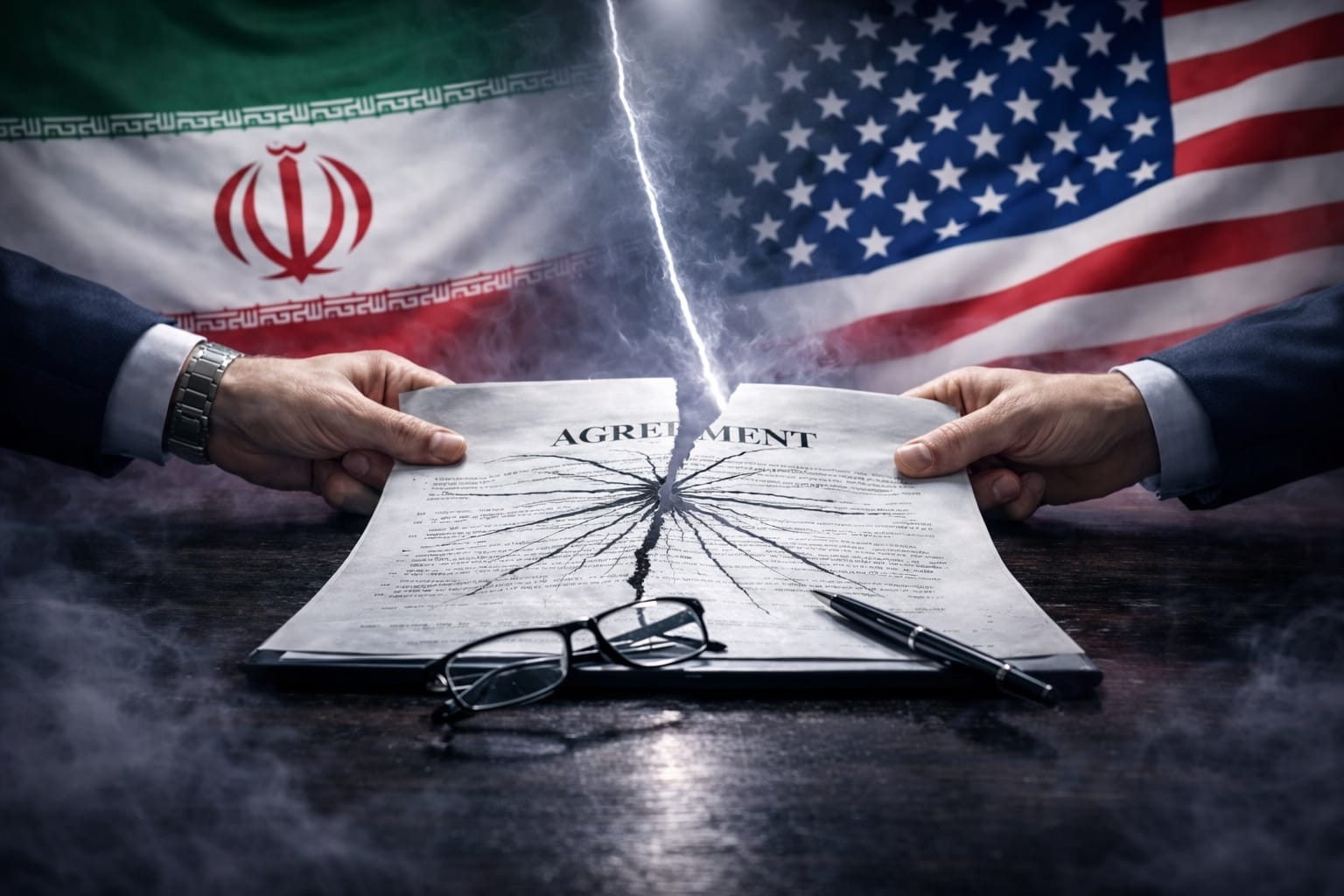
The US has moved toward enforcing a naval blockade of Iranian ports, prompting a warning from Tehran that such a move would be a violation of the ceasefire.
US says ball in Iran’s court
Meanwhile, US Vice President JD Vance said “the ball is in the Iranian court” on ending the Mideast war.
Vance had left talks hosted by Pakistan on Sunday, saying he had handed Tehran the “final and best offer”.
“I really think the ball is in the Iranian court, because we put a lot on the table. We actually made very clear what our red lines were,” Vance said in an interview with Fox News on Monday.
Washington has “no flexibility” on US control of Iran’s enriched uranium, and a verification mechanism to ensure it does not develop a nuclear weapon in the future.
“It’s one thing for the Iranians to say that they’re not going to have a nuclear weapon. It’s another thing for us to put in place the mechanism to ensure that’s not going to happen,” Vance said.
US President Donald Trump insisted Iranian representatives had called Washington since a US delegation returned empty-handed from negotiations in Islamabad.
“I can tell you that we’ve been called by the other side. They’d like to make a deal. Very badly, very badly,” Trump told reporters outside the Oval Office on Monday.
Iran has blamed Washington for making maximalist demands, but its leaders have, in the last hours, not dismissed efforts by world leaders to get both sides back to the negotiating table.
Iranian state TV reported on Monday that President Masoud Pezeshkian, in a phone call to his French counterpart Emmanuel Macron, said Tehran “will continue to talk only within the framework of international law”.
“We have clearly announced the terms of the ceasefire and we will adhere to it,” Pezeshkian said, according to IRIB.
Meanwhile, Iranian Foreign Minister Abbas Araghchi blamed the US for the impasse in the peace talks during a call with his Saudi counterpart Prince Faisal bin Farhan.
“Unfortunately, we witnessed the continued excessive demands of the American side in the negotiations, which led to the failure to achieve a result,” his ministry quoted him as saying.
Push for talks
Pakistan, after the end of the talks in Islamabad, moved swiftly to consolidate international support.
Deputy Prime Minister and Foreign Minister Ishaq Dar has recently held a series of calls with his counterparts, including Britain’s Yvette Cooper, China’s Wang Yi, Turkiye’s Hakan Fidan, Saudi Arabia’s Prince Faisal bin Farhan and Egypt’s Badr Abdelatty.
Across these engagements, Pakistan conveyed a consistent message that all parties to the conflict must uphold the ceasefire and that dialogue remains the only viable path forward. International partners responded positively.
Diplomatic sources said these engagements helped build a broad, if informal, coalition aimed at sustaining the process and buying time before the April 22 deadline.
The objective was to secure either an extension of the ceasefire or a return to technical-level engagement that could prepare the ground for a second political round.
Since the Islamabad talks, the intermediaries have helped exchange messages between the US and Iran on the outstanding issues, hoping to convince both sides to extend the truce by at least 45 days.
Both sides agreed to continue negotiations, but differences on the agenda, objectives, format and venue for the next round persisted. A diplomatic source said Iran preferred Islamabad, citing proximity, familiarity and its comfort with Pakistan’s role as mediator.
The US side, however, was understood to be considering alternative options, reflecting a different assessment of the negotiating environment, logistical preferences and security considerations. Despite this divergence, venue was unlikely to be a deal breaker if substantive movement was achieved on key issues.
Diplomatic efforts were also accelerating elsewhere, with Russian Foreign Minister Sergei Lavrov landing in Beijing on Tuesday, hours after Iran’s state news agency reported that he had spoken about the crisis in a phone call with his Iranian counterpart Abbas Araghchi.
Moscow has offered to hold Iran’s enriched uranium safely as part of any deal.
ملاحظة تحريرية | Editorial Note:
نُشر هذا المقال في الأصل بواسطة Dawn.
خبر (Khabr) هي منصة إعلامية أردنية مرخّصة تعمل بالذكاء الاصطناعي.
نضيف قيمة تحريرية من خلال: تحليل ذكي للأخبار، ملخصات تلقائية، رواية صوتية بالذكاء الاصطناعي، ترجمة متعددة اللغات، وتدقيق الحقائق.
هدفنا جعل الأخبار أكثر وضوحاً وسهولةً للقارئ العربي.
This article was originally published by Dawn.
Khabr is a licensed Jordanian AI-powered news platform (Registration #82086).
We add editorial value through: AI-powered news analysis, automated summaries, AI audio narration, multi-language translation (Arabic, English, French, Turkish), and AI fact-checking.
Our mission is to make news more accessible and understandable for Arabic-speaking audiences worldwide.
هذا الخبر ضمن تغطية خبر لقسم سياسة.
نقدّم لك تحليلات ذكية وملخصات يومية لأهم الأخبار من مصادر موثوقة متعددة.
المصدر: Dawn.
يوجد 6 مقالات مرتبطة بهذا الموضوع.
This article is part of Khabr's coverage of Politics.
We provide AI-powered analysis, summaries, and multi-source aggregation to keep you informed.
Source: Dawn.
Tags: peace talks, Iran, Pakistan.
🍪 نستخدم ملفات تعريف الارتباط لتحسين تجربتك وعرض الإعلانات المخصصة. باستخدامك للموقع، فإنك توافق على سياسة ملفات تعريف الارتباط وسياسة الخصوصية.
We use cookies to enhance your experience and show personalized ads. By using this site, you agree to our Cookie Policy and Privacy Policy.
FREEFree 1GB Internet + Free International Calls
$1 trial — eSIM in 190+ countries — No roaming charges