⚡ عاجل: كريستيانو رونالدو يُتوّج كأفضل لاعب كرة قدم في العالم●⚡ أخبار عاجلة تتابعونها لحظة بلحظة على خبر●⚡ تابعوا آخر المستجدات والأحداث من حول العالم●
AI اقتراحات ذكية
AI مباشر|--مشاهد مباشر
849,133مقال404مصدر نشط224قناة مباشرة4,838خبر اليوم
آخر تحديث:منذ ثانية
US–Iran talks: Can a deal secure Gulf interests this time?
Amid clear signs of uncertainty and the continued “arm-wrestling”-style negotiations between the United States and Iran, the sudden decline in what only a few days ago was described as an imminent agreement or settlement to end the war between the two sides, mediated by Pakistan, raises many fundamental questions. This comes after a temporary truce that lasted about two weeks.
Some of these questions relate to the day-after scenario: will fighting resume, or will de-escalation continue? Others concern the substance, provisions, and roadmap reportedly reached by both parties in Islamabad during their negotiation round. Additional questions, which are of primary concern here, focus on the extent to which the concerns of the Gulf Cooperation Council (GCC) countries were taken into consideration in the initial understandings that may serve as a basis for further negotiations in the coming period, if such negotiations actually take place, leading ultimately to a final agreement to end the war.
Negotiating foundations
It is difficult to rely on media leaks or even on statements issued by US and Iranian leaders and officials, whether regarding escalation or de-escalation. It is equally difficult to identify the common negotiating foundations reached so far, or to build reliable expectations about the possibility of a genuine end to military operations. Since the start of direct and indirect contacts, there has been a flood of statements from both sides that often contradict one another and appear inconsistent to varying degrees regarding key contentious issues, such as the opening or closing of the Strait of Hormuz, uranium enrichment, the nuclear and missile programs, frozen Iranian funds held by the United States, compensation, and other related matters.
Awadh Al Breiki
Overall, what has taken place in Islamabad and what may follow in future rounds of negotiation reflects a complex and possibly prolonged negotiating process between the Americans and the Iranians. From the outset, it was unrealistic to expect deep and multiple differences to be bridged and a final agreement to be reached in only a few negotiation sessions, regardless of their duration. One central theme of the negotiating conflict concerns sovereignty and influence. Experts and observers widely agree that the Middle East, and indeed the world, will not be the same after the Iran war of February 2026. The rules of the game, both regionally and internationally, have changed and have yet to fully stabilise. Several decisive factors will shape patterns of relations and alliances in the coming phase, including the future of the Strait of Hormuz, which has become a central issue in this conflict, the presence of US bases in the Arab Gulf region, Iran’s nuclear and missile programs, and the nature of the alliance between the GCC countries and the United States.
A seat for GCC countries at the talks
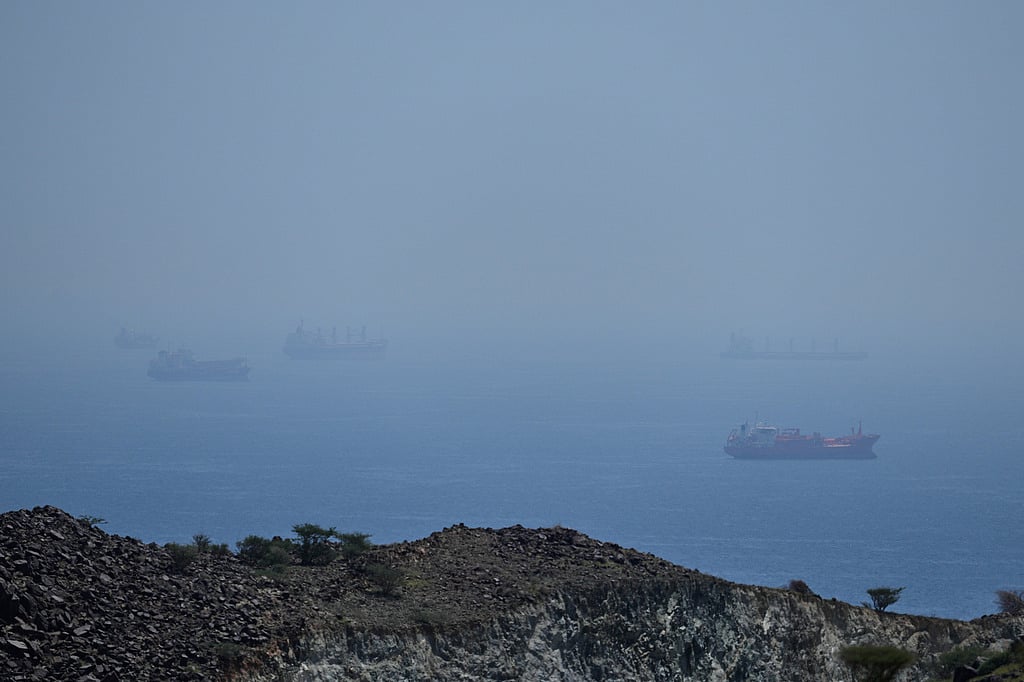
Political logic suggests that the GCC countries should have been present at the US-Iran negotiating table, not only as influential regional actors directly affected by the war and its consequences, but also because of the Iranian attacks carried out against all GCC countries, in addition to Jordan, and the impact of these developments on their economies, development plans, and major projects. Were it not for the wisdom and political restraint demonstrated by Gulf leaders, these countries might themselves have become direct parties to the war, potentially expanding the conflict in dangerous ways. Such an expansion appears to have been part of Iranian calculations, as Tehran sought to provoke its neighbours in order to widen the scope of the conflict and increase its costs for all parties, given the strategic importance of GCC countries in global energy markets.
It is evident that Washington and Tehran are negotiating with a focus on maximising strategic and possibly propaganda gains, since the media, psychological, and narrative dimensions form an integral part of this war. Any agreement between the two sides could serve as a cornerstone for broader security arrangements and may even factor into regional and international calculations as global powers attempt to reshape the emerging world order amid the apparent conclusion of both soft and hard international conflicts in recent years. Accordingly, the GCC countries stand at the heart of this conflict landscape and have every right to ensure that their interests and legitimate rights are taken into account in any potential final US-Iran agreement. They have borne a significant share of the burden resulting from decades of tensions and both cold and hot confrontations between the two sides for more than four decades. Therefore, they are fully justified in insisting on guarantees that ensure their future security and stability, and on the inclusion of strong foundations in any agreement so that the mistakes of the past are not repeated, as occurred with the 2015 nuclear agreement, the Joint Comprehensive Plan of Action, signed under the Obama administration as a temporary solution that merely postponed military confrontation and ultimately contributed to the 2026 war.
Key questions
Key questions now remain: What comes after Islamabad? Will the war end, or will it resume under the pressure of failed negotiations and the inability of either side to secure sufficient political gains at the negotiating table? What would be the implications of a US-Iran agreement, if reached, for the Gulf countries? What is the future of relations between Tehran and its neighbors under the new geopolitical and geostrategic realities? Do the current understandings and preliminary frameworks include sufficient guarantees for Gulf security and stability? And who will bear the financial cost of the material losses caused by Iranian missile and drone attacks on energy facilities and critical infrastructure in neighboring countries?
The truth is that these are not details that can be postponed for later discussion. The timeline of any final agreement must address all strategic concerns and respond to every security anxiety, supported by strict monitoring mechanisms and sufficient international guarantees. Otherwise, any talk of genuine security and stability remains incomplete, even distorted, serving the interests of some parties at the expense of others. Such an outcome would carry the seeds of future regional disputes and tensions. It would also be difficult to speak of rebuilding trust across the Gulf without clear and transparent measures to address the consequences of what occurred, including acts of deception and clear Iranian violations, particularly on the economic level. Specialised estimates indicate that the GDP of these countries has contracted, to varying but significant degrees, as a result of the war.
Full accountability
There is no doubt that the strategic interest of the GCC countries lies in supporting any agreement that brings an end to the conflict between the United States and Iran. However, this should not come without full accountability for Iranian violations, nor at the expense of the interests of these countries or without taking into consideration their demands and security concerns. This also includes ensuring the security of maritime corridors, safeguarding freedom of navigation, adhering to the rules of international law in this regard, and addressing the root causes of tension, such as Iran’s nuclear and missile programs, the activities of Iranian-backed militias and proxy groups, and compliance with United Nations Security Council Resolution 2817 of 11 March 2026.
As noted earlier, the Gulf landscape after the Iran war of 2026 differs from what preceded it. Alliances with the United States are expected to strengthen, while the region may also witness broader relations with Israel, which has become part of the new balance of power in the post-war phase. This outcome stands in direct contrast to what the Iranian regime sought to achieve. Yet history is always written by the victors, and this is likely to be the case following a war that will inevitably end, whether sooner or later, and that has already resulted in extensive damage to Iran’s capabilities across multiple sectors.
In conclusion, the resumption of fighting appears to be an unlikely scenario. If it does occur, it would likely aim only at increasing pressure on Tehran. The more probable outcome remains a ‘political deal’ scenario. Gulf support for such a scenario represents the primary guarantee of regional and international security and stability in a region widely recognized as the backbone of the global economy. Strong international support for any agreement cannot substitute for Gulf backing, which itself depends on legitimate demands to ensure that any deal does not become merely a fragile or temporary truce that leaves the interests of the GCC countries and their peoples hostage to reckless terrorist schemes.
Awadh Al Breiki is Senior Researcher and Head of Trends Global Sector
ملاحظة تحريرية | Editorial Note:
نُشر هذا المقال في الأصل بواسطة Gulf News.
خبر (Khabr) هي منصة إعلامية أردنية مرخّصة تعمل بالذكاء الاصطناعي.
نضيف قيمة تحريرية من خلال: تحليل ذكي للأخبار، ملخصات تلقائية، رواية صوتية بالذكاء الاصطناعي، ترجمة متعددة اللغات، وتدقيق الحقائق.
هدفنا جعل الأخبار أكثر وضوحاً وسهولةً للقارئ العربي.
This article was originally published by Gulf News.
Khabr is a licensed Jordanian AI-powered news platform (Registration #82086).
We add editorial value through: AI-powered news analysis, automated summaries, AI audio narration, multi-language translation (Arabic, English, French, Turkish), and AI fact-checking.
Our mission is to make news more accessible and understandable for Arabic-speaking audiences worldwide.
هذا الخبر ضمن تغطية خبر لقسم سياسة.
نقدّم لك تحليلات ذكية وملخصات يومية لأهم الأخبار من مصادر موثوقة متعددة.
المصدر: Gulf News.
يوجد 6 مقالات مرتبطة بهذا الموضوع.
This article is part of Khabr's coverage of Politics.
We provide AI-powered analysis, summaries, and multi-source aggregation to keep you informed.
Source: Gulf News.
Tags: US, Iran, Gulf interests.
🍪 نستخدم ملفات تعريف الارتباط لتحسين تجربتك وعرض الإعلانات المخصصة. باستخدامك للموقع، فإنك توافق على سياسة ملفات تعريف الارتباط وسياسة الخصوصية.
We use cookies to enhance your experience and show personalized ads. By using this site, you agree to our Cookie Policy and Privacy Policy.
FREEFree 1GB Internet + Free International Calls
$1 trial — eSIM in 190+ countries — No roaming charges