Introduction
The anticipated negotiations between the United States and Iran are fraught with complications, as recent developments highlight the turbulent waters ahead. With both sides facing mounting pressures from domestic and international fronts, the path to diplomacy appears more labyrinthine than ever.
Background on U.S.-Iran Relations
Historically, U.S.-Iran relations have been characterized by animosity and mistrust, particularly following the 1979 Iranian Revolution. The reimposition of sanctions by the Trump administration in 2018 further strained ties, leading to a series of confrontations that have left the diplomatic landscape precarious.
Current State of Affairs
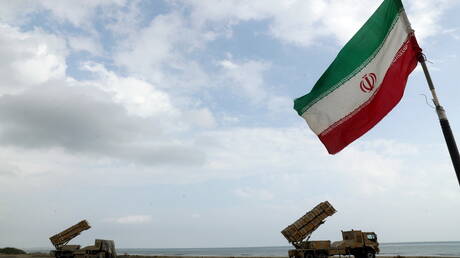
In recent weeks, the buildup to the upcoming talks has been marked by escalating rhetoric from both sides. U.S. officials have expressed frustration over Iran's nuclear ambitions, which they believe pose a direct threat to regional stability. Conversely, Iran has pushed back against perceived American aggression, citing violations of the 2015 nuclear deal and demanding sanctions relief as a prerequisite for meaningful dialogue.
Key Challenges Ahead
One of the foremost challenges in the negotiations will be bridging the substantial gap between the two nations' demands. The U.S. is advocating for a broader agreement that addresses not only nuclear proliferation but also Iran's missile program and its influence in the Middle East. On the other hand, Iran insists that any discussions must first focus on the lifting of sanctions that have crippled its economy.
Domestic Pressures and International Implications
Both governments are grappling with significant internal pressures that complicate the negotiation process. In the U.S., political divisions have led to skepticism about engaging with Iran, particularly among conservatives who view diplomatic outreach as an endorsement of Tehran's actions. Meanwhile, Iran faces its own political factions, some of which vehemently oppose any compromise with the West.
The Role of Key Players
International actors such as the European Union, China, and Russia have expressed interest in facilitating these talks, recognizing the broader implications for global security. Their involvement may provide a platform for mediation but could also complicate U.S. efforts if these nations prioritize their own geopolitical interests over a resolution.
Conclusion
As the U.S. and Iran brace for negotiations, the chaotic run-up highlights the steep hurdles they must overcome. Achieving a sustainable and peaceful resolution will require not only a willingness to compromise but also a commitment to rebuilding trust that has been eroded over decades. The outcome of these talks will be pivotal, not just for U.S.-Iran relations, but for the stability of the entire Middle East.