Unlock Your Muscles: The Ultimate Guide to the Best Protein Foods for Muscle Building
•The Importance of Protein in Muscle Building Protein is the cornerstone of muscle tissue, and without it, your gains can hit a plateau.
•It's not just about hitting the gym; the foods you consume play a critical role in your muscle-building journey.
•Research shows that consuming 1.6 to 2.2 grams of protein per kilogram of body weight maximizes muscle growth and recovery.
هذا الخبر من Khabr Exclusive. خبر يقدم أدوات ذكاء اصطناعي للتلخيص والترجمة والاستماع.
المصدر: Khabr Exclusive | Source: Khabr ExclusiveThe Importance of Protein in Muscle Building
Protein is the cornerstone of muscle tissue, and without it, your gains can hit a plateau. It's not just about hitting the gym; the foods you consume play a critical role in your muscle-building journey. Research shows that consuming 1.6 to 2.2 grams of protein per kilogram of body weight maximizes muscle growth and recovery.
Top Protein Foods to Include in Your Diet
- Chicken Breast: A staple in many athletes’ diets, chicken breast provides around 31 grams of protein per 100 grams.
- Eggs: Each egg contains about 6 grams of high-quality protein along with essential amino acids.
- Quinoa: A great plant-based protein option, quinoa offers 8 grams of protein per cup and is a complete protein source.
- Greek Yogurt: Packed with probiotics, Greek yogurt delivers around 10 grams of protein per 100 grams.
- Salmon: Not only rich in protein (20 grams per 100 grams), but it’s also an excellent source of omega-3 fatty acids.
Incorporating Protein into Your Meals
- Breakfast: Start your day with scrambled eggs and Greek yogurt mixed with berries.
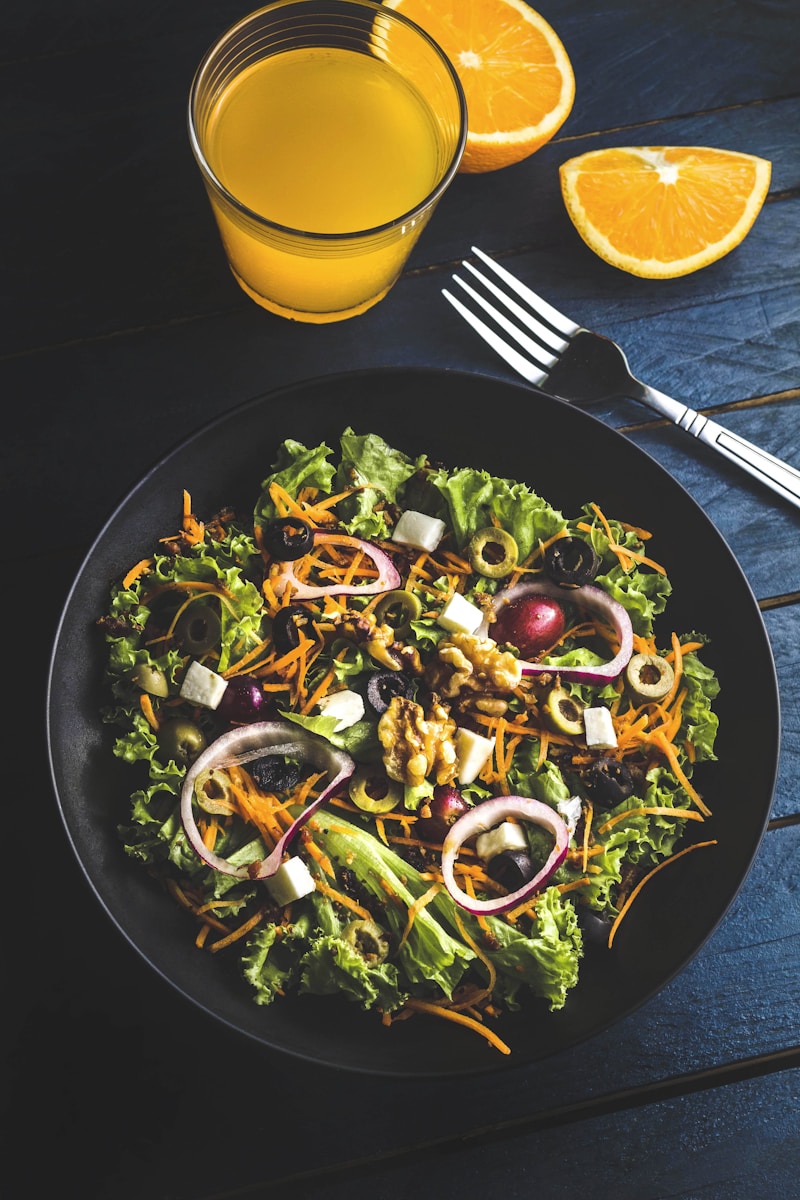
- Lunch: Prepare a grilled chicken salad loaded with leafy greens, nuts, and a quinoa base.
- Dinner: Enjoy a baked salmon fillet accompanied by steamed broccoli and quinoa.
- Snacks: Keep protein bars or boiled eggs handy for quick, nutritious snacks.
Scientific Backing: How Protein Fuels Your Workouts
Incorporating adequate protein post-exercise can enhance muscle protein synthesis significantly. A study published in the American Journal of Clinical Nutrition shows that consuming 20-30 grams of protein after a workout maximizes muscle recovery and growth. Additionally, protein helps reduce muscle soreness and fatigue, allowing for more productive training sessions.
Exercises to Pair with Your Protein Intake
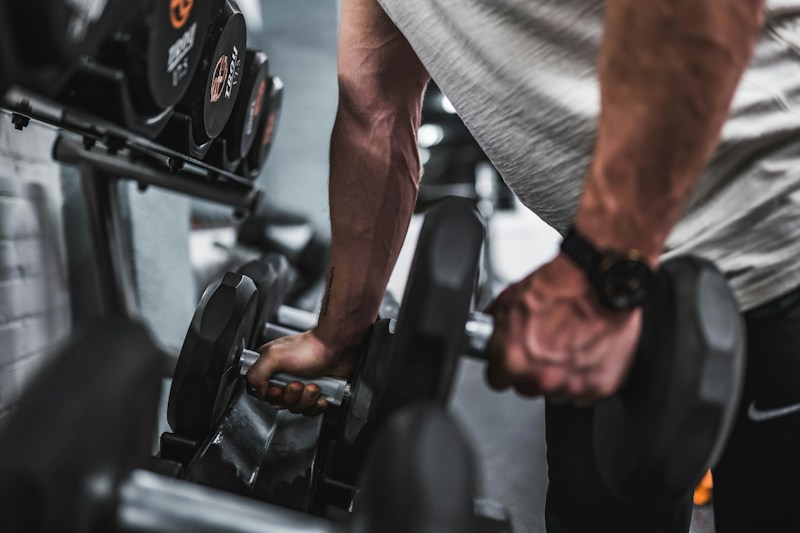
To maximize muscle growth, combine your protein-rich diet with effective resistance training. Here’s a beginner workout routine you can follow:
- Deadlifts: 3 sets of 8-10 reps
- Bench Press: 3 sets of 8-10 reps
- Squats: 3 sets of 10-12 reps
- Pull-Ups: 3 sets of 6-8 reps
The Perfect Timing for Protein Intake
Timing your protein intake can make a noticeable difference in your progress. Aim to consume protein within 30 minutes after your workout. This timeframe, known as the anabolic window, is crucial for muscle recovery and growth.
Conclusion: Fuel Your Gains Strategically
Building muscle isn't just about lifting weights; it's about lifting your nutrition game as well. By integrating these protein-rich foods into your diet and coupling them with effective workouts, you’re on your way to achieving your fitness goals. Remember, consistency is key—both in the kitchen and in the gym. Make these changes today and watch your muscle-building potential soar!
ملاحظة تحريرية | Editorial Note: نُشر هذا المقال في الأصل بواسطة Khabr Exclusive. خبر (Khabr) هي منصة إعلامية أردنية مرخّصة تعمل بالذكاء الاصطناعي. نضيف قيمة تحريرية من خلال: تحليل ذكي للأخبار، ملخصات تلقائية، رواية صوتية بالذكاء الاصطناعي، ترجمة متعددة اللغات، وتدقيق الحقائق. هدفنا جعل الأخبار أكثر وضوحاً وسهولةً للقارئ العربي.
This article was originally published by Khabr Exclusive. Khabr is a licensed Jordanian AI-powered news platform (Registration #82086). We add editorial value through: AI-powered news analysis, automated summaries, AI audio narration, multi-language translation (Arabic, English, French, Turkish), and AI fact-checking. Our mission is to make news more accessible and understandable for Arabic-speaking audiences worldwide.