Introduction
Building muscle isn't just about hitting the gym hard; it's also about what you fuel your body with. Protein is crucial for muscle growth and recovery, and knowing the best protein foods can significantly enhance your results.
Why Protein Matters
Protein is made up of amino acids, the building blocks of muscle. According to the American Journal of Clinical Nutrition, consuming enough protein can lead to a 25% increase in muscle mass when combined with strength training.
Top Protein Foods for Muscle Building
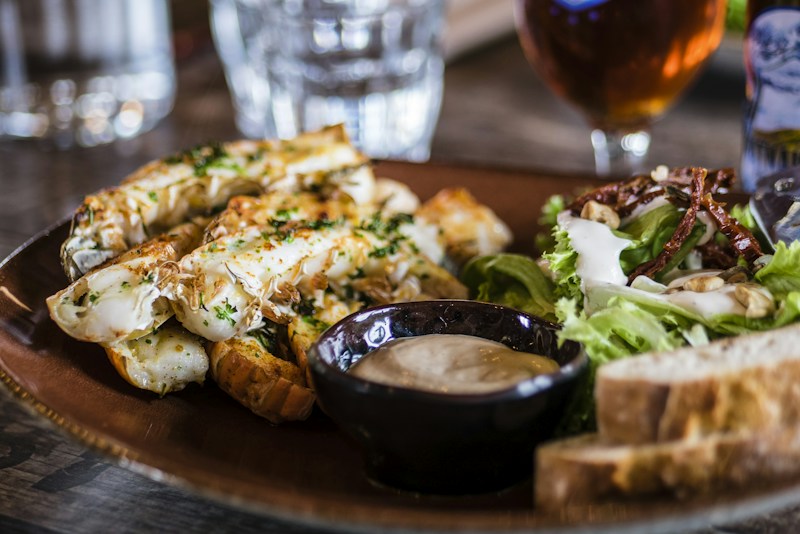
Here’s a list of the best protein foods to consider for your diet:
- Chicken Breast: High in protein and low in fat, chicken breast provides around 31 grams of protein per 100 grams.
- Eggs: A complete protein source, one large egg contains about 6 grams of protein. Plus, they have essential fatty acids!
- Greek Yogurt: With about 10 grams of protein per 100 grams, it's creamy, delicious, and packed with probiotics for gut health.
- Lentils: A fantastic plant-based protein, lentils offer 9 grams of protein per half-cup cooked and are rich in fiber.
- Quinoa: Unlike most grains, quinoa is a complete protein, providing 8 grams of protein per cup cooked.
- Fish (Tuna & Salmon): With 25 grams of protein per 100 grams, fish is packed with Omega-3 fatty acids—great for recovery!
Effective Exercises to Maximize Muscle Gains
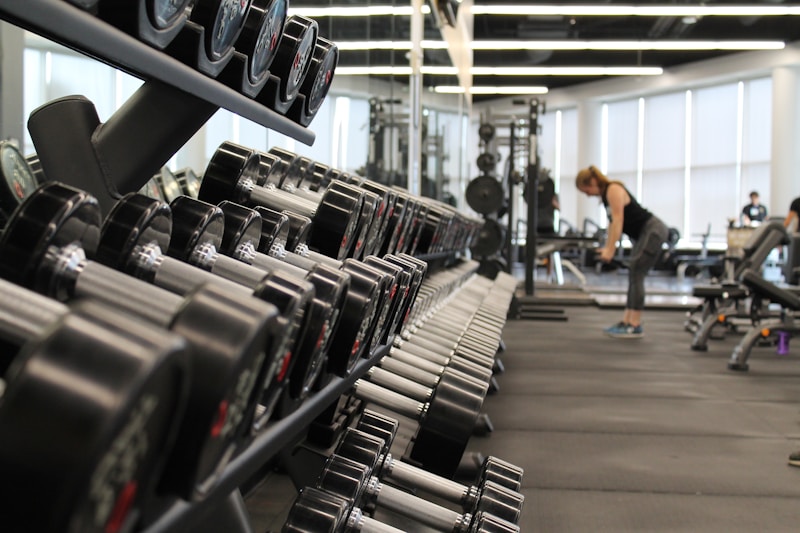
Incorporating strength training exercises with your high-protein diet is essential. Here are some exercises with suggested sets and reps:
- Squats: 4 sets of 8-12 reps. Works your quads, hamstrings, and glutes.
- Bench Press: 4 sets of 6-10 reps. Targets your chest, shoulders, and triceps.
- Deadlifts: 4 sets of 6-10 reps. Engages the entire posterior chain, critical for building mass.
- Pull-Ups: 3 sets to failure. Great for back and bicep strength.
- Overhead Press: 4 sets of 8-10 reps. Builds shoulder and tricep strength.
Timing Your Protein Consumption
According to a study in Sports Medicine, timing your protein intake can maximally stimulate muscle protein synthesis. Aim for 20-30 grams of protein within 30 minutes post-workout.
Track Your Progress
Use apps like MyFitnessPal to monitor your daily protein intake. Aim for about 1.6–2.2 grams of protein per kilogram of body weight, especially when strength training.
Conclusion
The road to muscle building involves not only hard work in the gym but also smart eating. Incorporate these protein-rich foods and effective exercises into your routine, and watch your muscle gains skyrocket!