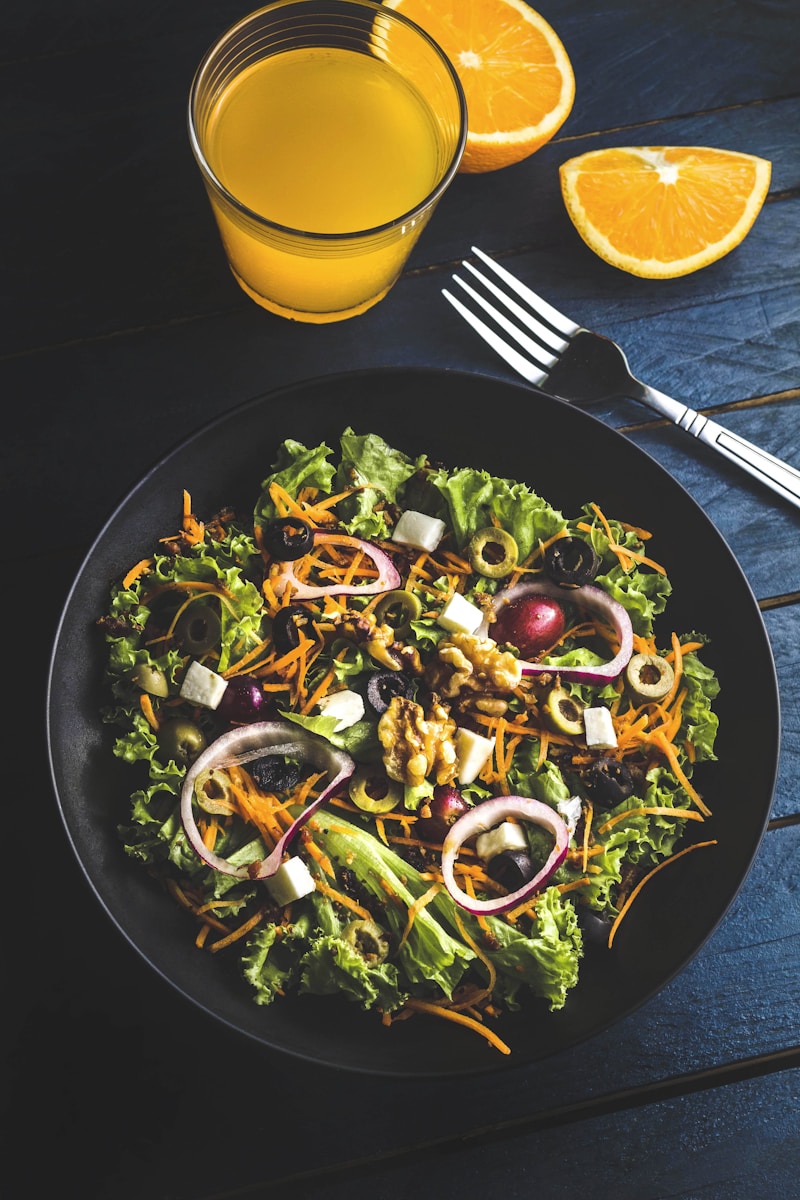
The Mediterranean Diet: A Feast for the Senses and a Gift for Longevity
Imagine waking up to the sun-kissed shores of the Mediterranean, where the air is fragrant with rosemary and olive oil flows like liquid gold. Here, people have been savoring a diet rich in wholesome ingredients for centuries, and the secret is as simple as it is delicious: fresh vegetables, fruits, whole grains, legumes, and healthy fats. This gastronomic delight not only captivates the palate but also promises an extraordinary lifespan—up to 10 years longer than typical Western diets.
The Flavorful Components of the Mediterranean Diet
The Mediterranean diet is not just a fad; it’s a lifestyle, bursting with flavors that celebrate the region’s rich culinary heritage. Here are some of its basic components:
- Fresh Vegetables: Think ripe tomatoes, crisp cucumbers, and colorful bell peppers.
- Fruits: Berries, citrus, and figs add a natural sweetness.
- Whole Grains: Whole grain bread and pasta made from durum wheat are staples.
- Healthy Fats: Extra virgin olive oil is the heart of this diet, replacing butter.
- Fish and Poultry: Consumed regularly, while red meat is enjoyed sparingly.
- Nuts and Seeds: A daily handful of almonds or walnuts adds crunch and nutrition.
Health Benefits that Are Too Good to Ignore
Studies have shown that adhering to the Mediterranean diet can reduce the risk of chronic diseases significantly. According to a study published in the New England Journal of Medicine, individuals who followed this diet saw a 30% decrease in heart disease and a notable drop in overall mortality rates. But how does it work?
- Cardiovascular Health: The combination of healthy fats from fish and olive oil, along with antioxidant-rich fruits and vegetables, protects your heart.
- Weight Management: High fiber content keeps you full longer, helping prevent overeating.
- Brain Health: With the inclusion of omega-3 fatty acids, this diet reduces the risk of cognitive decline and dementia.
- Diabetes Prevention: Low glycemic index foods stabilize blood sugar levels, reducing the risk of type 2 diabetes.
Practical Tips for Incorporating the Mediterranean Diet into Your Life
Feeling inspired? Here are some practical tips to help you dive into the Mediterranean lifestyle:
- Start with a Colorful Plate: Aim for a variety of colors in your meals by packing your plate with fruits and vegetables.
- Cook with Olive Oil: Replace butter and other fats with extra virgin olive oil for cooking and dressings.
- Snack Smart: Choose nuts or hummus and veggies instead of processed snacks.
- Embrace Whole Grains: Opt for whole grain pasta, quinoa, and barley instead of refined grains.
- Limit Red Meat: Enjoy red meat sparingly—think of it as an occasional treat rather than a staple.
- Share Your Meals: The Mediterranean lifestyle emphasizes communal dining. Celebrate with family and friends to enrich your experience.
In Conclusion: A Delicious Path to Longevity
The Mediterranean diet is not just a diet; it’s a celebration of life, health, and community. By indulging in its vibrant flavors, you are not only treating yourself to culinary pleasures but also investing in a healthier, longer life. So, why not start today? Savor the rich, aromatic dishes of the Mediterranean and unlock the secret to living a decade longer!