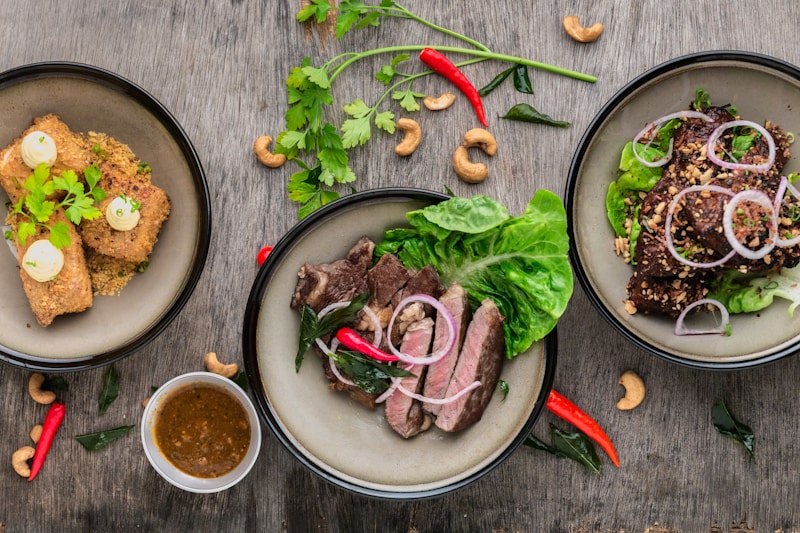
The Culinary Canvas of the Mediterranean
Imagine a sun-drenched landscape where olive trees sway gently in the breeze, and the aroma of fresh herbs dances through the air. This is the heart of the Mediterranean diet—a celebration of nature’s bounty that is as pleasing to the palate as it is beneficial to your health.
What is the Mediterranean Diet?
The Mediterranean diet is more than just a meal plan; it’s a lifestyle that emphasizes the consumption of whole, unprocessed foods inspired by the traditional eating habits of countries bordering the Mediterranean Sea, such as Greece, Italy, and Spain. Think of vibrant vegetables, luscious fruits, whole grains, nuts, and seeds, all harmoniously complemented by an abundance of olive oil.
Why Does This Diet Promote Longevity?
Numerous studies affirm that individuals who adhere to the Mediterranean diet enjoy a lifespan that is approximately 10 years longer than those who do not. But why, you ask? The diet is rich in antioxidants, healthy fats, and fiber, which work in tandem to combat oxidative stress, reduce inflammation, and promote heart health.
The Health Benefits in Numbers
- Heart Health: A 2020 study found that participants who followed the Mediterranean diet had a 30% lower risk of cardiovascular diseases.
- Brain Power: Research indicates that this diet can lower the risk of Alzheimer’s disease by up to 40%.
- Diabetes Management: The Mediterranean diet can reduce the risk of type 2 diabetes by 20-30%.
Key Components of the Mediterranean Diet
- Fruits and Vegetables: Aim for at least 5 servings daily to boost your intake of vitamins and minerals.
- Healthy Fats: Use extra-virgin olive oil as your primary fat source, replacing butter and margarine.
- Whole Grains: Choose whole grains like quinoa, barley, and brown rice over refined grains.
- Legumes and Nuts: Incorporate beans, lentils, and a handful of nuts into meals for protein and fiber.
- Fish: Opt for fatty fish like salmon and sardines at least twice a week.
- Moderate Dairy: Enjoy yogurt and cheese in moderation, preferring the unsweetened varieties.
Practical Tips for Embracing the Mediterranean Lifestyle
Adopting the Mediterranean diet doesn’t have to be overwhelming. Here are some simple yet effective tips:
- Start Simple: Integrate Mediterranean staples into your daily meals, such as drizzling olive oil over your salad or adding chickpeas to soups.
- Cook at Home: Preparing meals from scratch allows you to control the ingredients and embrace the vibrant flavors of Mediterranean cuisine.
- Eat Mindfully: Savor each bite, enjoy meals with loved ones, and embrace the social aspect of dining.
Conclusion: A Flavorful Path to Longevity
In a world that often prioritizes convenience over nutrition, the Mediterranean diet offers a tantalizing reminder of the pleasures of wholesome eating. With every forkful of roasted vegetables, every splash of olive oil, and every bite of creamy feta, you’re not just indulging in a culinary experience—you’re potentially adding years to your life. So, step into the vibrant world of the Mediterranean diet and unlock the secret to a longer, healthier life!