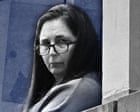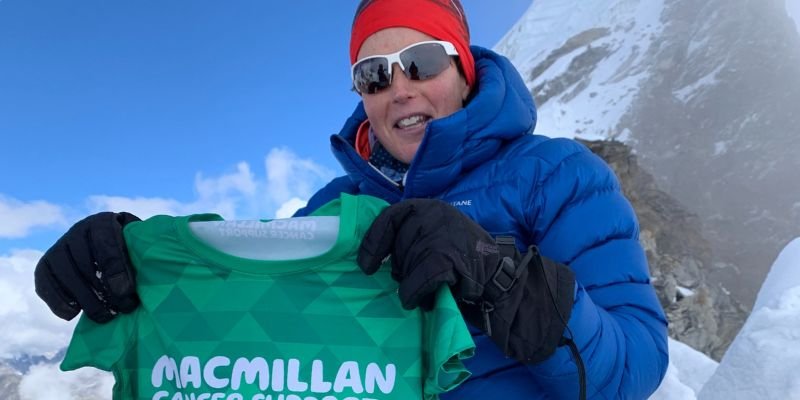
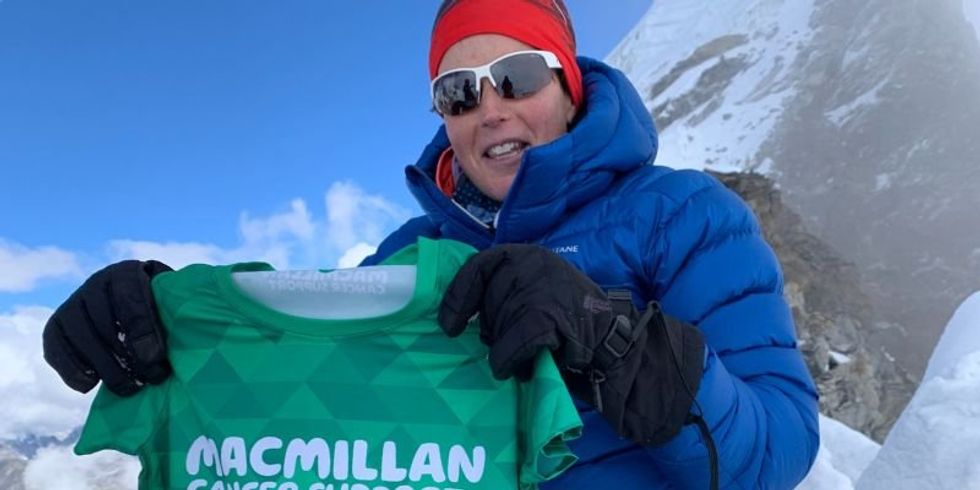
A researcher has made history by becoming the first woman living with stage four incurable cancer to reach the summit of Mount Everest.
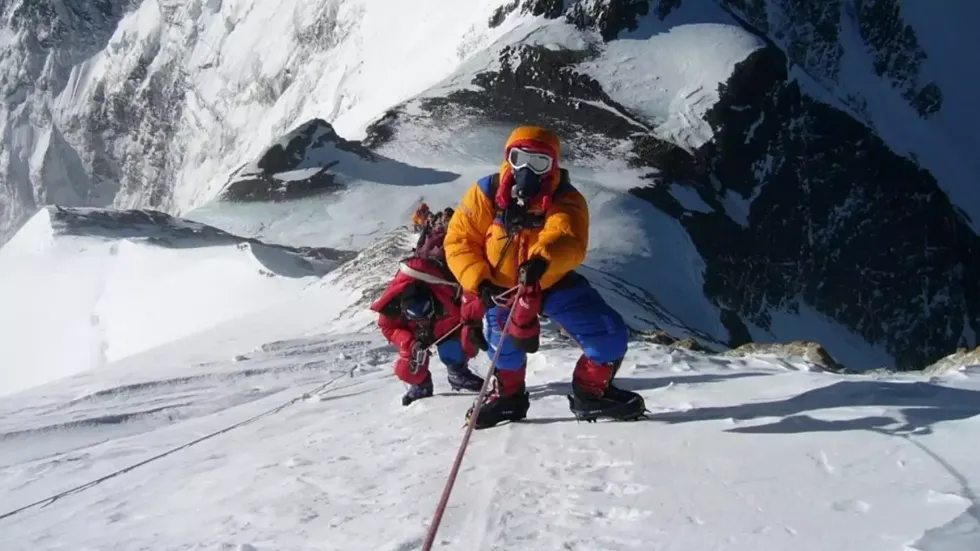
Dr Shaunna Burke, an exercise psychologist at the University of Leeds, stood at the world's highest point at 3am on May 23, despite managing the ongoing effects of her terminal breast cancer diagnosis and chemotherapy treatment.
Her Everest expedition followed the completion of the Everest Marathon last year, with Dr Burke determined to push her limits further while raising funds for Macmillan Cancer Support.
The climb doubled as a scientific research project conducted in partnership with Leeds Beckett University, as well as for an independent documentary film called "Dying to Climb".
Dr Burke said: "I dedicate this climb to everyone who has been touched by cancer. No matter what you are facing, continue to believe, hold on to hope, and do the very best you can each day."
The academic, who works within the School of Biomedical Sciences, has spent her career investigating the role physical activity can play in treating cancer patients.
The achievement marks Dr Burke's second Everest summit, having previously reached the peak in 2005 as the second Canadian woman to do so.
To prepare for the extreme conditions, Dr Burke underwent training in the altitude chamber at Leeds Beckett's Carnegie School of Sport, where she walked on a treadmill carrying a weighted rucksack to replicate the physical demands of ascending beyond 4,000 metres.
Dr Barney Wainwright, an Applied Sports Scientist at the university with expertise in high altitude training, monitored her sessions and gathered data on how her body responded to reduced oxygen levels.
Following her 2024 diagnosis, Dr Burke devised her own tailored nutrition and exercise programme, even running to her chemotherapy and radiotherapy sessions to preserve both her physical condition and mental wellbeing.
The expedition commenced on April 16 when the team first climbed Mera Peak, a 6,400-metre summit where research testing took place, and Dr Burke could acclimatise to extreme altitude and freezing temperatures.
LATEST DEVELOPMENTS
- London runner sets world record after completing 1,000 parkruns
- British brothers with dementia gene brave 33 marathons in 33 days raising £1.8million
- WATCH: King’s College Hospital opens rooftop garden for critical care patients
Supporting her during this initial phase were Dr Patrycja Jonetzko, an anaesthetist specialising in high-altitude medicine, and documentary filmmaker Ben Ayers from Rainshadow Films.
On April 30, Dr Burke departed for Everest Base Camp at 5,364 metres accompanied by her climbing Sherpas, where friends joined her for a traditional Hindu Puja ceremony.
After progressing through Camps two and three whilst awaiting favourable weather, she reached the peak with Sherpas Lopsang and Khangdo.
The expedition has so far generated more than £30,000 for Macmillan Cancer Support, with Dr Burke targeting a total of £50,000.
Fiona Gavaghan, relationship fundraising manager for Macmillan Cancer Support, said: "Dr Shaunna Burke is an inspiration, not only for this incredible feat as the first person with Stage four cancer to summit Everest, but also as a completely heroic and selfless individual."
The charity representative described how Dr Burke is using her own condition to advance her research into exercise and cancer treatment.
Ms Gavaghan added that Dr Burke sought to demonstrate what remains possible for those facing similar diagnoses, and to shift perceptions about living with terminal illness.
Our Standards: The GB News Editorial Charter