Introduction
As the warm weather approaches, many Americans are preparing for outdoor activities and summer vacations. However, health officials are sounding the alarm regarding the anticipated return of COVID-19's annual summer wave. This phenomenon has become a recurring aspect of the pandemic, raising questions about its causes and potential implications for public health.
The Seasonal Nature of COVID-19
Historically, respiratory viruses exhibit seasonal patterns, often increasing in prevalence during colder months. However, COVID-19 has shown a unique ability to adapt, leading to unexpected surges during warmer months. Experts suggest that factors such as the increased mobility of individuals, the emergence of new variants, and changes in public behavior contribute to this annual rise in cases.
What Causes the Summer Wave?
1. Increased Mobility: As travel restrictions ease and people flock to beaches, parks, and social gatherings, the risk of virus transmission increases. Vacation spots and crowded events create perfect breeding grounds for the virus to spread, even among vaccinated populations.
2. Emergence of Variants: New variants of the virus often arise, some of which may evade immunity from previous infections or vaccinations. These variants can lead to localized outbreaks, prompting a spike in cases during the summer months.
3. Public Behavior: With warmer weather, many individuals may be less diligent about wearing masks and practicing social distancing. A false sense of security stemming from vaccination rates can lead to decreased caution, further facilitating the virus's spread.
The Role of Vaccination
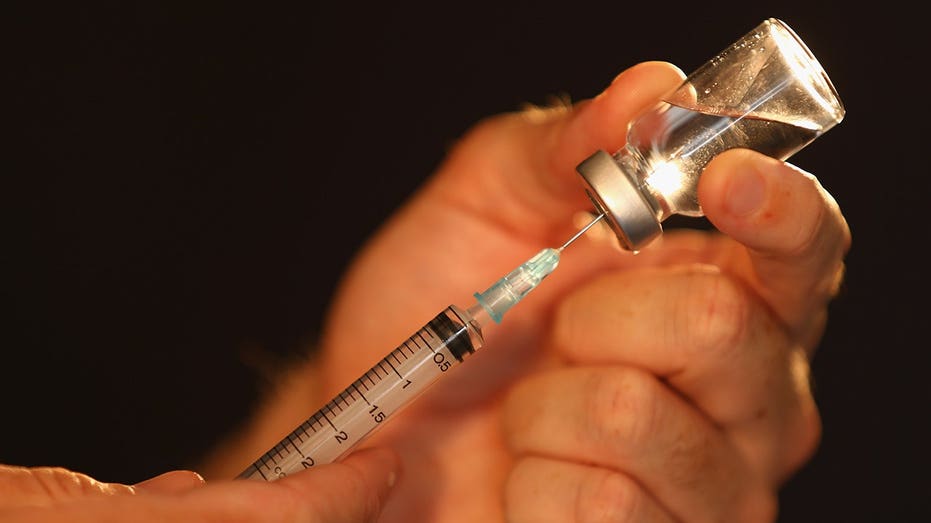
Vaccination remains a critical tool in combating the spread of COVID-19, especially as the summer wave approaches. With a significant portion of the population vaccinated, the severity of cases may be reduced; however, breakthrough infections can still occur. Health officials are encouraging unvaccinated individuals to get vaccinated and are exploring booster shots for those eligible to enhance immunity.
Implications for Public Health
The rise in COVID-19 cases during the summer months poses challenges for public health officials. Hospitals could face increased strain if cases spike significantly, particularly among unvaccinated populations who are at higher risk of severe illness. Monitoring and response strategies are essential to manage any potential surges and prevent overwhelming healthcare systems.
Conclusion
The annual summer wave of COVID-19 is a reminder that the pandemic is not over. With continued vigilance, community cooperation, and adherence to public health guidelines, the impact of this seasonal trend can be mitigated. Staying informed about the virus, vaccination, and preventive measures will be crucial as communities navigate the coming months.